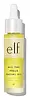
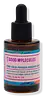
e.l.f. cosmetics All the Feels Facial Oil + hemp-derived Cannabis Sativa Seed Oil Versus Good Molecules Pure Cold-Pressed Rosehip Seed Oil
This hydrating oil is formulated around Simmondsia Chinensis Seed Oil and Squalane to hydrate skin and strengthen the skin barrier.
This barrier-repair oil is formulated around Rosa Rubiginosa Seed Oil to strengthen the skin barrier and hydrate skin.

What's inside
What's inside
 Key Ingredients
No key ingredients
Benefits
Concerns
Ingredients Side-by-side
Simmondsia Chinensis Seed Oil
Emollient





Caprylic/Capric Triglyceride
Masking
Helianthus Annuus Seed Oil
Emollient
Vitis Vinifera Seed Oil
Emollient
Limnanthes Alba Seed Oil
Skin Conditioning
Cannabis Sativa Seed Oil
Emollient
Squalane
Emollient
Rosa Rubiginosa Seed Oil
Emollient
Aloe Barbadensis Leaf Juice Powder
Skin Conditioning
Tocopherol
Antioxidant



Daucus Carota Sativa Seed Oil
Emollient
Daucus Carota Sativa Root Extract
Skin Conditioning
Beta-Carotene
Skin ConditioningIsopropyl Palmitate
Emollient

Phenoxyethanol
Preservative
Caprylyl Glycol
Emollient
Ascorbyl Palmitate
Antioxidant
BHT
Antioxidant
Simmondsia Chinensis Seed Oil, Caprylic/Capric Triglyceride, Helianthus Annuus Seed Oil, Vitis Vinifera Seed Oil, Limnanthes Alba Seed Oil, Cannabis Sativa Seed Oil, Squalane, Rosa Rubiginosa Seed Oil, Aloe Barbadensis Leaf Juice Powder, Tocopherol, Daucus Carota Sativa Seed Oil, Daucus Carota Sativa Root Extract, Beta-Carotene, Isopropyl Palmitate, Phenoxyethanol, Caprylyl Glycol, Ascorbyl Palmitate, BHT
Reviews
Ingredients Explained
These ingredients are found in both products.
Ingredients higher up in an ingredient list are typically present in a larger amount.
This ingredient is also known as rosehip seed oil. It helps smooth skin, soften rough patches, and support a healthy moisture barrier as an emollient.
Rosehip seed oil is one of the more polyunsaturated plant oils in cosmetics; it's loaded with fatty acids like linoleic acid (~44%), alpha-linoleic acid (~34%), and oleic acid (~14).
Another interesting compound that makes it stand out from other oils is the trace amount of all-trans retinoic acid (the same molecule as prescription tretinoin), along with some carotenoids and tocopherols.
The linoleic acid is a precursor to ceramide 1, one of the essential lipids in the stratum corneum. Topical linoleic acid application has been shown to improve barrier function and reduce comedone size in clinical studies.
One study found that linoleic acid and alpha-linoleic acid lighten UV-induced hyperpigmentation. A 2015 study found that participants who used rosehip twice daily for eight weeks saw improvements in crow's feet, skin moisture, and skin elasticity compared to the placebo.
If you're hoping to get tretinoin benefits from this ingredient, it's worth noting the trans-retinoid acid is trace-level and minimal compared to the amount of retinol or tretinoin found in formulas.
A 2024 review highlighted the fatty acid composition in rosehip-based dermatological products for:
Typical usage rates range from 1-100% with 5-10% being the most common in moisturizers.
Since the oil is high in polyunsaturated fatty acids, it's prone to oxidation. Look for formulations stabilized with ingredients like vitamin E and be sure to store away from light/heat.
Fungal acne: This oil is not considered fungal acne safe because dominant fatty acids fall into the C11-24 range that Malassezia can metabolize.
Learn more about Rosa Rubiginosa Seed Oil

