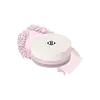
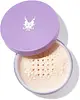
Dinto Peter&Wendy Collection Pixie Dust Loose Powder Versus Dragun Beauty Translucent Setting Powder


What's inside
What's inside
 Key Ingredients
Benefits
Concerns
Ingredients Side-by-side
Mica
Cosmetic ColorantTalc
Abrasive
Nylon-12


CI 77891
Cosmetic ColorantCI 77492
Cosmetic ColorantCI 77491
Cosmetic ColorantBoron Nitride
Absorbent
Octyldodecyl Stearoyl Stearate
Emollient

CI 77499
Cosmetic ColorantDimethiconol Stearate
EmollientPhenyl Trimethicone
Skin Conditioning
Hdi/Trimethylol Hexyllactone Crosspolymer
Octyldodecanol
Emollient
Caprylic/Capric Triglyceride
Masking


Diisostearyl Malate
EmollientLauroyl Lysine
Skin Conditioning
Dimethicone
Emollient
Dipentaerythrityl Hexahydroxystearate/Hexastearate/Hexarosinate
Skin ConditioningCI 15850
Cosmetic ColorantEthylhexylglycerin
Skin ConditioningGlyceryl Caprylate
EmollientMagnesium Myristate


Silica
Abrasive
Water
Skin ConditioningMica, Talc, Nylon-12, CI 77891, CI 77492, CI 77491, Boron Nitride, Octyldodecyl Stearoyl Stearate, CI 77499, Dimethiconol Stearate, Phenyl Trimethicone, Hdi/Trimethylol Hexyllactone Crosspolymer, Octyldodecanol, Caprylic/Capric Triglyceride, Diisostearyl Malate, Lauroyl Lysine, Dimethicone, Dipentaerythrityl Hexahydroxystearate/Hexastearate/Hexarosinate, CI 15850, Ethylhexylglycerin, Glyceryl Caprylate, Magnesium Myristate, Silica, Water
Talc
Abrasive
Lauroyl Lysine
Skin Conditioning
Nylon-12
Hdi/Trimethylol Hexyllactone Crosspolymer
Dimethicone/Vinyl Dimethicone Crosspolymer
Skin Conditioning
Zinc Stearate
Cosmetic ColorantSodium Dehydroacetate
Preservative
Octyldodecyl Stearoyl Stearate
Emollient
Silica
Abrasive
Isoceteth-10
EmulsifyingParfum
Masking


Stearic Acid
Cleansing
Water
Skin ConditioningCI 77891
Cosmetic ColorantIron Oxides
CI 77491
Cosmetic ColorantCI 77492
Cosmetic ColorantCI 77499
Cosmetic ColorantIngredients Explained
These ingredients are found in both products.
Ingredients higher up in an ingredient list are typically present in a larger amount.
Ci 77491 is also hydrated iron III oxide. It's sole purpose is to give a red/pink hue to products.
Iron III oxides are classified as inorganic chemicals for coloring.
Synthetically created Ci 77491 is considered safer than those naturally found. This is because the synthetically created version may contain less impurities. Iron oxides are generally non-toxic and non-allergenic.
Learn more about CI 77491CI 77492 is also hydrated iron III oxide. It's sole purpose is to give a yellow hue to products.
Iron III oxides are classified as inorganic chemicals for coloring.
Synthetically created CI 77492 is considered safer than those naturally found. This is because the synthetically created version may contain less impurities. Iron oxides are generally non-toxic and non-allergenic.
Learn more about CI 77492Ci 77499 is also hydrated iron III oxide. It is created from mixing red and black iron oxides. This helps give shades of darkness to a product.
Iron III oxides are classified as inorganic chemicals for coloring.
Ci 77891 is a white pigment from Titanium dioxide. It is naturally found in minerals such as rutile and ilmenite.
It's main function is to add a white color to cosmetics. It can also be mixed with other colors to create different shades.
Ci 77891 is commonly found in sunscreens due to its ability to block UV rays.
Learn more about CI 77891This ingredient is a powder used to improve texture, slip, and give products a silky texture.
This ingredient comes from a fatty acid (lauric acid) and amino acid (lysine). It is used to add a silky feel to cosmetics.
According to a manufacturer, its fatty acid base leaves a silky feeling on the skin. It also has emollient properties because of this. Emollients help soften skin by preventing water from evaporating.
Lauroyl lysine is barely soluble in water.
Learn more about Lauroyl LysineNylon-12 is a polymer. It is derived from 12-aminododecanoic acid, an omega-amino fatty acid
According to a manufacturer, it is a talc substitute. Like talc, nylon-12 gives products a satin feel. The manufacturer also claims this ingredients does not block pores and has moderate oil absorption.
This ingredient may not be reef-safe.
Learn more about Nylon-12Octyldodecyl Stearoyl Stearate is an emollient ester that mostly shows up in color cosmetics.
Functionally, it works as a skin-conditioning agent and a viscosity-increasing agent. This just means it helps soften skin while also thickening water-free formulas (like powders).
Despite being a "stearate", it has a lightweight, cushiony, and non-greasy slip.
This ingredient has shown no adverse effects in testing and is deemed safe in cosmetics at current use levels.
Typical concentrations range from 0.7-23%.
Because it is made of C-18 fatty acids (like stearic acid), this ingredient may not be fungal acne safe.
Learn more about Octyldodecyl Stearoyl StearateSilica, also known as silicon dioxide, is a naturally occurring mineral. It is used as a fine, spherical, and porous powder in cosmetics.
Though it has exfoliant properties, the function of silica varies depending on the product.
The unique structure of silica enhances the spreadability and adds smoothness, making it a great texture enhancer.
It is also used as an active carrier, emulsifier, and mattifier due to its ability to absorb excess oil.
In some products, tiny microneedles called spicules are made from silica or hydrolyzed sponge. When you rub them in, they lightly polish away dead skin layers and enhance the penetration of active ingredients.
Learn more about SilicaTalc is a clay mineral. It helps absorb moisture and improve the texture of products. Like other types of clay, Talc can have a slight exfoliating effect on skin. Talc can be added to increase the volume of products.
Some Baby powders are made by combining talc with corn starch. The word "talc" comes from Latin and originates from Arabic. Talc is a mineral commonly found throughout the world.
If you have any concerns about using talc, we recommend checking out the FDA's official page.
Learn more about TalcWater. It's the most common cosmetic ingredient of all. You'll usually see it at the top of ingredient lists, meaning that it makes up the largest part of the product.
So why is it so popular? Water most often acts as a solvent - this means that it helps dissolve other ingredients into the formulation.
You'll also recognize water as that liquid we all need to stay alive. If you see this, drink a glass of water. Remember to stay hydrated!
Learn more about Water

