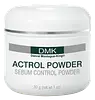
This oil-control treatment is formulated around Zea Mays Starch and Ascorbic Acid to balance excess oil and fade the look of dark spots.
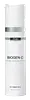
This brightening moisturizer is formulated around 3-O-Ethyl Ascorbic Acid and Hexapeptide-11 to brighten dull-looking skin and soften the look of wrinkles.

What's inside
What's inside
 Key Ingredients
Benefits
Concerns
Ingredients Side-by-side

Water
Skin ConditioningStearic Acid
Cleansing



Oleic Acid
Emollient

Glycerin
Humectant

Dimethyl Isosorbide
Solvent3-O-Ethyl Ascorbic Acid
Skin Conditioning




Krameria Triandra Root Extract
Skin ConditioningGlycine Soja Oil
Emollient


Carthamus Tinctorius Seed Oil
Masking
Polyglyceryl-6 Distearate
Emulsifying
Tocopheryl Acetate
Antioxidant

Glyceryl Stearate Citrate
Emollient
Polyglyceryl-3 Stearate
Emulsifying
Eucalyptus Globulus Leaf Oil
Perfuming



Hydrogenated Lecithin
Emulsifying
Hexapeptide-11
Skin Conditioning

Laminaria Digitata Extract
Skin Protecting
Jojoba Esters
Emollient
Polyglyceryl-3 Beeswax
Emulsifying
Cetyl Alcohol
Emollient

Chloroxylenol
Antimicrobial
CI 42090
Cosmetic ColorantLimonene
Perfuming
Water, Stearic Acid, Oleic Acid, Glycerin, Dimethyl Isosorbide, 3-O-Ethyl Ascorbic Acid, Krameria Triandra Root Extract, Glycine Soja Oil, Carthamus Tinctorius Seed Oil, Polyglyceryl-6 Distearate, Tocopheryl Acetate, Glyceryl Stearate Citrate, Polyglyceryl-3 Stearate, Eucalyptus Globulus Leaf Oil, Hydrogenated Lecithin, Hexapeptide-11, Laminaria Digitata Extract, Jojoba Esters, Polyglyceryl-3 Beeswax, Cetyl Alcohol, Chloroxylenol, CI 42090, Limonene
Ingredients Explained
These ingredients are found in both products.
Ingredients higher up in an ingredient list are typically present in a larger amount.
Limonene is the compound that gives citrus peel its smell.
In skincare, it shows up as a standalone fragrance ingredient or as a natural compound of citrus and other essential oils.
You'll typically see this ingredient used in very small amounts; anything above 0.001% in a leave-on product or 0.01% in a rinse-off has to be named on the label in the EU. The citrus oils that carry it sit around 0.5-1% in a finished formula.
Fresh limonene is a weak allergen; the real issue is that it slowly reacts with air and then breaks down from oxidation to create hydroperoxides (which are strong sensitizers). This is why suppliers are required to keep the peroxide value below 20 mmol.
Positive reactions in people being investigated for eczema vary:
It's worth skipping if you have a known fragrance allergy or a compromised barrier, but the risk is low for most people.
Older or long-opened products are also more likely to bother you than fresh ones due to oxidation.
Learn more about Limonene

