
What's inside
What's inside
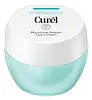 Key Ingredients
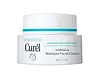
Benefits
Concerns
Ingredients Side-by-side
Water
Skin ConditioningHydrogenated Polyisobutene
EmollientGlycerin
Humectant


Cetyl-Pg Hydroxyethyl Palmitamide
Skin ConditioningDimethicone
Emollient
Polyglyceryl-2 Diisostearate
Emulsifying

PEG-10 Dimethicone
Skin Conditioning
Dimethicone/PEG-10/15 Crosspolymer
Dextrin Palmitate
Emulsifying
Butylene Glycol
Humectant
PEG-60 Hydrogenated Castor Oil
Emulsifying
Sodium Hydroxide
BufferingEucalyptus Globulus Leaf Extract
Perfuming
Tocopherol
Antioxidant





Phenoxyethanol
Preservative
Sodium Benzoate
Masking
Water, Hydrogenated Polyisobutene, Glycerin, Cetyl-Pg Hydroxyethyl Palmitamide, Dimethicone, Polyglyceryl-2 Diisostearate, PEG-10 Dimethicone, Dimethicone/PEG-10/15 Crosspolymer, Dextrin Palmitate, Butylene Glycol, PEG-60 Hydrogenated Castor Oil, Sodium Hydroxide, Eucalyptus Globulus Leaf Extract, Tocopherol, Phenoxyethanol, Sodium Benzoate
Water
Skin ConditioningGlycerin
Humectant
Cetyl-Pg Hydroxyethyl Palmitamide
Skin ConditioningTrisiloxane
Skin Conditioning
Dimethicone
Emollient
Hydrogenated Polydecene
EmollientPEG-3 Dimethicone
Skin Conditioning
Allantoin
Skin Conditioning
Magnesium Sulfate
Butylene Glycol
Humectant
Isostearyl Glyceryl Ether
Skin ConditioningPEG-12 Dimethicone
Skin Conditioning
Succinic Acid
BufferingSodium Hydroxide
BufferingEucalyptus Globulus Leaf Extract
Perfuming
Tocopherol
Antioxidant
Methylparaben
Preservative


Water, Glycerin, Cetyl-Pg Hydroxyethyl Palmitamide, Trisiloxane, Dimethicone, Hydrogenated Polydecene, PEG-3 Dimethicone, Allantoin, Magnesium Sulfate, Butylene Glycol, Isostearyl Glyceryl Ether, PEG-12 Dimethicone, Succinic Acid, Sodium Hydroxide, Eucalyptus Globulus Leaf Extract, Tocopherol, Methylparaben
Reviews
Ingredients Explained
These ingredients are found in both products.
Ingredients higher up in an ingredient list are typically present in a larger amount.
Butylene Glycol (or BG) is used within cosmetic products for a few different reasons:
Overall, Butylene Glycol is a safe and well-rounded ingredient that works well with other ingredients.
Though this ingredient works well with most skin types, some people with sensitive skin may experience a reaction such as allergic rashes, closed comedones, or itchiness.
Learn more about Butylene GlycolThis ingredient is a synthetic mimic for ceramide NS and is often called a "pseudo-ceramide". It was developed by Kao Corporation in Japan (the same corporation that owns Biore and Curel).
Ceramides play a big role in your stratum corneum, or the outermost layer of skin. Your stratum corneum is structured like a brick wall where skin cells are bricks and ceramides are a big part of the mortar holding everything together.
Aging, harsh cleansers, environmental damage, or skin conditions can cause ceramide levels to drop. This leads to moisture loss, irritation, and dryness.
This is where this ingredient steps in: it's structurally designed with the same key features as natural ceramides. Because of this, it can slot into the lipid layers of your stratum corneum and behave just like real ceramides.
Research on patients with atopic dermatitis, seborrheic dermatitis, and sensitive skin has shown that topical application of this ingredient enhances stratum corneum function.
Another four-week randomized study on lip care found formulas containing 0.5% or 2% of this ingredient improved lip dryness and roughness.
A study on hairdressers with occupational hand dermatitis found that a barrier cream containing this ingredient reduced dryness, scaling, cracking, redness, and itching.
And a more recent study confirmed that this ingredient is absorbed into the stratum corneum and reduces transepidermal water loss (TEWL), just like a real ceramide.
This ingredient is more stable, free from contaminants, and significantly cheaper to produce. This makes it more practical for everyday skincare formulations.
Learn more about Cetyl-Pg Hydroxyethyl PalmitamideDimethicone is a type of synthetic silicone created from natural materials such as quartz. It is also known as polydimethylsiloxane.
What it does:
Dimethicone comes in different viscosities:
Depending on the viscosity, dimethicone has different properties.
Ingredients lists don't always show which type is used, so we recommend reaching out to the brand if you have questions about the viscosity.
This ingredient is unlikely to cause irritation because it does not get absorbed into skin. However, people with silicone allergies should be careful about using this ingredient.
Note: Dimethicone may contribute to pilling. This is because it is not oil or water soluble, so pilling may occur when layered with products. When mixed with heavy oils in a formula, the outcome is also quite greasy.
Learn more about DimethiconeEucalyptus globulus leaf extract comes from the leaves of the blue gum tree. It has perfuming and skin conditioning properties.
According to a manufacturer, this ingredient has antioxidants to help protect skin against free radicals.
This ingredient is water-soluble.
Learn more about Eucalyptus Globulus Leaf ExtractGlycerin (or glycerol) is a compound naturally found in your skin. It's a powerhouse humectant that pulls water into the stratum corneum.
Topically, glycerin does several things at once:
Your skin makes glycerin on its own (mostly from sebaceous oil breakdown) and shuttles it to your outermost layer of skin, or your epidermis, via aquaporin-3.
Aquaporin-3 is a transporter that is essential for normal skin hydration, elasticity, and repair. Interestingly, mice lacking in AQP3 have dry and less elastic skin that can be fully corrected with glycerin.
This ingredient is non-irritating, plays well with almost every ingredient, and works across all skin types. Typical use is anywhere between 3-10% but can go up to 79% in some leave-on products.
Just know very high concentrations (>40%) can feel tacky in low humidity.
Glycerin is the name for this ingredient in American English. British English uses Glycerol/Glycerine.
Learn more about GlycerinSodium Hydroxide is also known as lye or caustic soda. It is used to adjust the pH of products; many ingredients require a specific pH to be effective.
In small amounts, sodium hydroxide is considered safe to use. However, large amounts may cause chemical burns due to its high alkaline.
Your skin has a natural pH and acid mantle. This acid mantle helps prevent harmful bacteria from breaking through. The acid mantle also helps keep your skin hydrated.
"Alkaline" refers to a high pH level. A low pH level would be considered acidic.
Learn more about Sodium HydroxideTocopherol is a fat-soluble antioxidant known as Vitamin E.
You'll find this ingredient in the vast majority of skincare (for good reason). It works to neutralize free radicals, or unstable molecules generated by UV exposure, pollution, and other environmental stressors, before they can cause oxidative damage to your skin cells.
Topically applied tocopherol has been shown to protect against UV damage by ramping up the skin's own natural defense enzymes.
It also acts as a skin conditioning agent; some studies show that regular topical use can improve the skin's water-binding capacity over 2-4 weeks.
This ingredient is especially loved for being a team player. When combined with Vitamin C, the photoprotective effect of both ingredients roughly doubles and the combo also helps reduce UV-induced DNA damage.
This ingredient has some brightening potential but it's more of a prevention ingredient than spot-fader. Cell studies show it can slow down melanin production but it's worth noting that it's not the most powerful brightener out there.
In formulations, it also serves as a stabilizer that helps protect other oxidation-prone ingredients from degrading.
Concentrations usually range from 0.1-1% in most leave-on products.
Learn more about TocopherolWater. It's the most common cosmetic ingredient of all. You'll usually see it at the top of ingredient lists, meaning that it makes up the largest part of the product.
So why is it so popular? Water most often acts as a solvent - this means that it helps dissolve other ingredients into the formulation.
You'll also recognize water as that liquid we all need to stay alive. If you see this, drink a glass of water. Remember to stay hydrated!
Learn more about Water

