
What's inside
What's inside
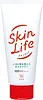 Key Ingredients
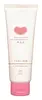
Benefits
Concerns
Ingredients Side-by-side
O-Cymen-5-Ol
Antimicrobial
Dipotassium Glycyrrhizate
Humectant

Myristic Acid
Cleansing




Lauric Acid
Cleansing
Stearic Acid
Cleansing
Behenic Acid
Cleansing
Arginine Cocoate
Skin Conditioning

Malic Acid
Buffering





Citrus Limon Fruit Extract
Masking
Glycerin
Humectant
Butylene Glycol
Humectant
Disteardimonium Hectorite
StabilisingTin Oxide
Abrasive
Citric Acid
Buffering
Parfum
Masking

Potassium Hydroxide
Buffering

Reviews
Ingredients Explained
These ingredients are found in both products.
Ingredients higher up in an ingredient list are typically present in a larger amount.
Behenic acid is a long-chain fatty acid with 22 carbon atoms (C22) that is naturally found in moringa, rapeseed, and peanut oil.
In skincare, it's about as drama-free as ingredients come. It acts primarily as a texture enhancer, thickener, and opacifying agent that gives richness and viscosity to formulas.
On skin, it forms a protective, emollient layer that helps with moisture retention and contributes to barrier integrity.
In vitro studies on genotoxicity have come back negative and this ingredient is well-tolerated. Typical use concentrations range from 0.024%-22%.
This ingredient may not be fungal acne safe because Behenic acid falls within the C11-24 fatty acid range capable of supporting Malassezia growth.
Learn more about Behenic AcidCitric Acid is an alpha hydroxy acid (AHA) naturally found in citrus fruits like oranges, lemons, and limes.
Like other AHAs, citric acid can exfoliate skin by breaking down the bonds that hold dead skin cells together. This helps reveal smoother and brighter skin underneath.
However, this exfoliating effect only happens at high concentrations (20%) which can be hard to find in cosmetic products.
Due to this, citric acid is usually included in small amounts as a pH adjuster. This helps keep products slightly more acidic and compatible with skin's natural pH.
In skincare formulas, citric acid can:
While it can provide some skin benefits, research shows lactic acid and glycolic acid are generally more effective and less irritating exfoliants.
Most citric acid used in skincare today is made by fermenting sugars (usually from molasses). This synthetic version is identical to the natural citrus form but easier to stabilize and use in formulations.
Read more about some other popular AHA's here:
Learn more about Citric AcidDisteardimonium Hectorite comes from the clay mineral named hectorite. It is used to add thickness to a product.
It can also help stabilize a product by helping to disperse other ingredients.
Hectorite is a rare, white clay mineral.
Learn more about Disteardimonium HectoriteGlycerin (or glycerol) is a compound naturally found in your skin. It's a powerhouse humectant that pulls water into the stratum corneum.
Topically, glycerin does several things at once:
Your skin makes glycerin on its own (mostly from sebaceous oil breakdown) and shuttles it to your outermost layer of skin, or your epidermis, via aquaporin-3.
Aquaporin-3 is a transporter that is essential for normal skin hydration, elasticity, and repair. Interestingly, mice lacking in AQP3 have dry and less elastic skin that can be fully corrected with glycerin.
This ingredient is non-irritating, plays well with almost every ingredient, and works across all skin types. Typical use is anywhere between 3-10% but can go up to 79% in some leave-on products.
Just know very high concentrations (>40%) can feel tacky in low humidity.
Glycerin is the name for this ingredient in American English. British English uses Glycerol/Glycerine.
Learn more about GlycerinMyristic Acid, aka tetradecanoic acid, is a naturally occurring fatty acid found in coconut oil and palm oil.
In skincare, it is an:
Research indicates that this ingredient posts a low risk of irritation and sensitization.
Since myristic acid is a C14 fatty acid, it falls within the range that Malassezia can metabolize, and therefore not fungal acne safe.
Learn more about Myristic AcidStearic Acid is a fatty acid that is already found in your skin. It's one of the free fatty acids that works alongside ceramides and cholesterols to maintain your barrier.
In cosmetics, it is a multitasker:
Safety-wise, the CIR Expert Panel has concluded it to be safe in cosmetics when formulated to be non-irritating and non-sensitizing.
Free stearic acid is a C18 fatty acid that the Malassezia yeast can substrate, so this ingredient may not be fungal acne safe.
Learn more about Stearic Acid

