This calming lip moisturizer is formulated around Helianthus Annuus Seed Oil and Cocos Nucifera Oil to calm redness and hydrate lips.

What's inside
What's inside
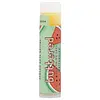 Key Ingredients
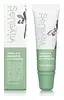
No key ingredients
Benefits
Concerns
Ingredients Side-by-side






Cocos Nucifera Oil
Masking








Ricinus Communis Seed Oil
Masking
Aleurites Moluccanus Seed Oil
Skin Conditioning
Euphorbia Cerifera Cera
Astringent
Glycerin
Humectant

Citrus Nobilis Peel Oil
Masking
Vanilla Planifolia Fruit Extract
Skin Conditioning
Limonene
Perfuming

Triticum Vulgare Germ Oil
Emollient
Saccharum Officinarum Extract
MoisturisingPelargonium Graveolens Oil
Masking
Citronellol
Perfuming
Backhousia Citriodora Leaf Oil
Masking
Mentha Piperita Oil
Masking
Geraniol
Perfuming
Rosmarinus Officinalis Extract
AntimicrobialLinalool
Perfuming
Citral
Perfuming
Cocos Nucifera Oil, Ricinus Communis Seed Oil, Aleurites Moluccanus Seed Oil, Euphorbia Cerifera Cera, Glycerin, Citrus Nobilis Peel Oil, Vanilla Planifolia Fruit Extract, Limonene, Triticum Vulgare Germ Oil, Saccharum Officinarum Extract, Pelargonium Graveolens Oil, Citronellol, Backhousia Citriodora Leaf Oil, Mentha Piperita Oil, Geraniol, Rosmarinus Officinalis Extract, Linalool, Citral
Reviews
Alternatives
Ingredients Explained
These ingredients are found in both products.
Ingredients higher up in an ingredient list are typically present in a larger amount.
This ingredient is also known as coconut oil. It is a plant-derived ingredient with skin conditioning properties.
The fatty acid profile of coconut oil is mostly lauric acid (~54%), followed by capric, caprylic, palmitic, and myristic acids. This profile allows it to penetrate easily into skin, moisturize, and improve dry skin.
A double-blind study confirmed that extra virgin coconut oil is as effective as mineral oil for treating very dry skin. Another study found it outperformed mineral oil for mild to moderate atopic dermatitis in children.
Another study from 2018 found that virgin coconut oil can soothe inflammation and boost key skin barrier proteins. Just know this evidence is still only from lab settings and not human trials.
It has also been shown to reduce Staphylococcus aureus, a bacteria that commonly overgrows in people with eczema.
Clinical testing shows very minimal skin irritation and no evidence of sensitization or phototoxicity.
Coconut oil gets flagged as a "fragrance" because it has a natural mild scent (not because it's a synthetic perfume). The European Cosmetic ingredient database also lists "perfuming" as a function of this ingredient.
Just so you know, the term "fragrance" is completely unregulated. Some brands still use botanical extracts or essential oils in their "fragrance-free" formulas, but regulatory databases technically classify these under "fragrance".
Coconut oil has a tiny and useless bit of natural SPF. Early lab studies clocked it around SPF 7-8 but a more recent study found the real number closer to SPF 1.2. It also offers no meaningful UVA protection (SPF only overs UVB rays).
The comedogenic rating of 4/5 means it has a high potential to clog pores; but it's worth noting that comedogenicity is highly individual and ratings cannot predict how an overall formula will behave on skin.
Since lauric acid is the dominant fatty acid, this ingredient may not be fungal acne safe. The Malassezia yeast feeds on fatty acids with carbon chain lengths between 11-24, and lauric acid falls within these lengths (C12).
Learn more about Cocos Nucifera Oil

