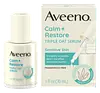
This calming serum is formulated around Avena Sativa Kernel Flour and Avena Sativa Kernel Oil to calm redness and strengthen the skin barrier.
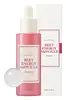
This barrier-repair ampoule is formulated around Squalane and Niacinamide to strengthen the skin barrier and hydrate skin.


What's inside
What's inside
 Key Ingredients
Benefits
Concerns
No concerns
Ingredients Side-by-side
Water
Skin ConditioningGlycerin
Humectant


Butylene Glycol
Humectant
Bis-PEG-18 Methyl Ether Dimethyl Silane
EmollientIsodecyl Neopentanoate
EmollientPentaerythrityl Tetraethylhexanoate
Emollient
Ethylhexylglycerin
Skin ConditioningPhenoxyethanol
Preservative
Ammonium Acryloyldimethyltaurate/Vp Copolymer
Chlorphenesin
Antimicrobial
Dimethicone
Emollient
Succinoglycan
Skin ConditioningChrysanthemum Parthenium Flower/Leaf/Stem Juice
Antioxidant
Avena Sativa Kernel Flour
Abrasive

Avena Sativa Kernel Oil
Skin Conditioning




Acrylates/C10-30 Alkyl Acrylate Crosspolymer
Emulsion StabilisingDimethiconol
Emollient
Sodium Hydroxide
BufferingAvena Sativa Kernel Extract
Abrasive
Water, Glycerin, Butylene Glycol, Bis-PEG-18 Methyl Ether Dimethyl Silane, Isodecyl Neopentanoate, Pentaerythrityl Tetraethylhexanoate, Ethylhexylglycerin, Phenoxyethanol, Ammonium Acryloyldimethyltaurate/Vp Copolymer, Chlorphenesin, Dimethicone, Succinoglycan, Chrysanthemum Parthenium Flower/Leaf/Stem Juice, Avena Sativa Kernel Flour, Avena Sativa Kernel Oil, Acrylates/C10-30 Alkyl Acrylate Crosspolymer, Dimethiconol, Sodium Hydroxide, Avena Sativa Kernel Extract







Reviews
Ingredients Explained
These ingredients are found in both products.
Ingredients higher up in an ingredient list are typically present in a larger amount.
Acrylates/C10-30 Alkyl Acrylate Crosspolymer is a synthetic polymer. It is used to thicken, emulsify, and improve the texture of products.
As an emulsifier, it helps stabilize oil-in-water emulsions to give products an elegant feel when applied.
It can also form a thin protective film on skin. One study found that a formula using this polymer helped slow down how quickly other ingredients (like DEET) were absorbed through skin.
A 2024 study of over 1,300 patients confirmed that sensitization to this ingredient is rare. It is also non-mutagenic and has a clean track record.
Learn more about Acrylates/C10-30 Alkyl Acrylate CrosspolymerGlycerin (or glycerol) is a compound naturally found in your skin. It's a powerhouse humectant that pulls water into the stratum corneum.
Topically, glycerin does several things at once:
Your skin makes glycerin on its own (mostly from sebaceous oil breakdown) and shuttles it to your outermost layer of skin, or your epidermis, via aquaporin-3.
Aquaporin-3 is a transporter that is essential for normal skin hydration, elasticity, and repair. Interestingly, mice lacking in AQP3 have dry and less elastic skin that can be fully corrected with glycerin.
This ingredient is non-irritating, plays well with almost every ingredient, and works across all skin types. Typical use is anywhere between 3-10% but can go up to 79% in some leave-on products.
Just know very high concentrations (>40%) can feel tacky in low humidity.
Glycerin is the name for this ingredient in American English. British English uses Glycerol/Glycerine.
Learn more about Glycerin

