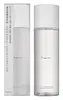
Yves Rocher Gentle Makeup Remover Sensitive Eyes Versus Heme Cosmetics Micellar Soothing Cleansing Water
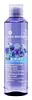
This mild micellar makeup remover is made to dissolve makeup, sunscreen, and daily buildup.
This mild micellar makeup remover is made to dissolve makeup, sunscreen, and daily buildup.

What's inside
What's inside
 Benefits
Ingredients Side-by-side











Ingredients Explained
These ingredients are found in both products.
Ingredients higher up in an ingredient list are typically present in a larger amount.
Cetrimonium Bromide is a preservative.
Glycerin (or glycerol) is a compound naturally found in your skin. It's a powerhouse humectant that pulls water into the stratum corneum.
Topically, glycerin does several things at once:
Your skin makes glycerin on its own (mostly from sebaceous oil breakdown) and shuttles it to your outermost layer of skin, or your epidermis, via aquaporin-3.
Aquaporin-3 is a transporter that is essential for normal skin hydration, elasticity, and repair. Interestingly, mice lacking in AQP3 have dry and less elastic skin that can be fully corrected with glycerin.
This ingredient is non-irritating, plays well with almost every ingredient, and works across all skin types. Typical use is anywhere between 3-10% but can go up to 79% in some leave-on products.
Just know very high concentrations (>40%) can feel tacky in low humidity.
Glycerin is the name for this ingredient in American English. British English uses Glycerol/Glycerine.
Learn more about GlycerinThis ingredient is derived from caprylic and capric acids. It is an emulsifier with emollient properties.
According to the manufacturer, it is hydrophilic and soluble in aqueous solutions (water). They also state this ingredient is stable in a medium pH range (~5 - 8).
As an emulsifier, it helps make oils and oil-soluble ingredients more soluble in water.
Learn more about PEG-6 Caprylic/Capric GlyceridesPotassium sorbate is a gentle and widely used preservative that helps keep water-based products free of mold and yeast.
It's the salt form of sorbic acid, a compound found naturally in rowan berries though the cosmetic version is made in a lab.
Once inside a formula, it turns into sorbic acid, which does the actual preserving. It works best in slightly acidic products and isn't great against bacteria alone so you'll usually see it teamed up with other preservatives like Sodium Benzoate.
Typical use at around 1% or less, and the EU caps it at 0.6 percent. The Cosmetic Ingredient Review Panel has concluded it's safe as used in cosmetics and it's also a common food preservative.
Potassium sorbate has a pretty good safety record on skin. Formulas with up to 0.5% were not irritating or sensitizing in human testing, and true allergies are rare.
Irritation or sensitization can happen mostly with medicated creams used on broken skin.
Definitely avoid Potassium Sorbate if you're allergic to Sorbic Acid, since they're essentially the same thing on skin.
There is a known harmless and short-lived reaction where some people may notice brief redness or itching right after applying. Just know this is common and not a sign of allergy.
Learn more about Potassium SorbateSodium Benzoate is a preservative. It's used in both cosmetic and food products to inhibit the growth of mold and bacteria. It is typically produced synthetically.
Both the US FDA and EU Health Committee have approved the use of sodium benzoate. In the US, levels of 0.1% (of the total product) are allowed.
Sodium benzoate works as a preservative by inhibiting the growth of bacteria inside of cells. It prevents the cell from fermenting a type of sugar using an enzyme called phosphofructokinase.
It is the salt of benzoic acid. Foods containing sodium benzoate include soda, salad dressings, condiments, fruit juices, wines, and snack foods.
Studies for using ascorbic acid and sodium benzoate in cosmetics are lacking, especially in skincare routines with multiple steps.
We always recommend speaking with a professional, such as a dermatologist, if you have any concerns.
Learn more about Sodium BenzoateWater. It's the most common cosmetic ingredient of all. You'll usually see it at the top of ingredient lists, meaning that it makes up the largest part of the product.
So why is it so popular? Water most often acts as a solvent - this means that it helps dissolve other ingredients into the formulation.
You'll also recognize water as that liquid we all need to stay alive. If you see this, drink a glass of water. Remember to stay hydrated!
Learn more about Water

