
What's inside
What's inside
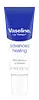 Key Ingredients
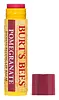
No key ingredients
Benefits
Concerns
Ingredients Side-by-side
Helianthus Annuus Seed Oil
Emollient


Cera Alba
Emollient

Cocos Nucifera Oil
Masking

Ricinus Communis Seed Oil
Masking
Lanolin
Emollient

Aroma

Punica Granatum Seed Oil
Emollient
Tocopherol
Antioxidant






Rosmarinus Officinalis Leaf Extract
AntimicrobialGlycine Soja Oil
Emollient
Canola Oil
Emollient
CI 75470
Cosmetic ColorantBenzyl Salicylate
Perfuming
Cinnamal
Perfuming
Citral
Perfuming
Eugenol
Perfuming
Geraniol
Perfuming
Hydroxycitronellal
Perfuming
Limonene
Perfuming
Linalool
Perfuming
Helianthus Annuus Seed Oil, Cera Alba, Cocos Nucifera Oil, Ricinus Communis Seed Oil, Lanolin, Aroma, Punica Granatum Seed Oil, Tocopherol, Rosmarinus Officinalis Leaf Extract, Glycine Soja Oil, Canola Oil, CI 75470, Benzyl Salicylate, Cinnamal, Citral, Eugenol, Geraniol, Hydroxycitronellal, Limonene, Linalool
Reviews
Ingredients Explained
These ingredients are found in both products.
Ingredients higher up in an ingredient list are typically present in a larger amount.
Aroma refers to an ingredient, or mixture of ingredients, that impart or mask a flavor.
The name is slightly confusing. This is because INCI associates aroma with flavor instead of smell.
Here is the official definition from the The International Cosmetic Ingredient Dictionary and Handbook:
“Aroma is a term for ingredient labeling used to identify that a product contains a material or combination of materials normally added to a cosmetic to produce or to mask a particular flavor.”
INCI shows the only purpose of aroma to be "flavouring".
However, due to regulation differences, some companies may use aroma in place of parfum.
In Canada, this ingredient only has to be listed in concentrations above 1%.
Learn more about Aroma
