
What's inside
What's inside
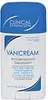 Key Ingredients
Benefits
Concerns
Ingredients Side-by-side

Aluminum Zirconium Tetrachlorohydrex Gly 15.4%
AstringentCyclopentasiloxane
Emollient
Stearyl Alcohol
Emollient


Hydrogenated Castor Oil
Emollient

PPG-14 Butyl Ether
Skin ConditioningDimethicone
Emollient
Talc
Abrasive
Parfum
Masking



Silica
Abrasive

PEG-8 Distearate
Emulsifying
Allantoin
Skin Conditioning


Maltodextrin
Absorbent
Corn Starch Modified
AbsorbentBHT
Antioxidant
Alpha-Isomethyl Ionone
Perfuming
Benzyl Benzoate
Antimicrobial
Citronellol
Perfuming
Coumarin
Perfuming
Geraniol
Perfuming
Hexyl Cinnamal
Perfuming
Hydroxycitronellal
Perfuming
Isoeugenol
Perfuming
Linalool
Perfuming
Aluminum Zirconium Tetrachlorohydrex Gly 15.4%, Cyclopentasiloxane, Stearyl Alcohol, Hydrogenated Castor Oil, PPG-14 Butyl Ether, Dimethicone, Talc, Parfum, Silica, PEG-8 Distearate, Allantoin, Maltodextrin, Corn Starch Modified, BHT, Alpha-Isomethyl Ionone, Benzyl Benzoate, Citronellol, Coumarin, Geraniol, Hexyl Cinnamal, Hydroxycitronellal, Isoeugenol, Linalool
Reviews
Ingredients Explained
These ingredients are found in both products.
Ingredients higher up in an ingredient list are typically present in a larger amount.
Cyclopentasiloxane (D5) is a lightweight silicone that mostly acts as an emollient and solvent in cosmetics. Its the reason your products feel silky, fast-spreading, and non-greasy.
Since D5 is volatile, it does its thing and then evaporates off the skin quickly.
The safety profile of this ingredient is reassuring; the US CIR Expert Panel concluded D5 is safe as used in cosmetics and Health Canada concluded that D5 is not harmful to human health or the environment as currently used in cosmetics
There's a study that people mention about D5 in a rat study showing tumors. This study is related to long-term inhalation of high D5 levels.
Regulatory bodies have judged this study to be not applicable in topical skincare since skin absorption of D5 is very low and we're not really inhaling huge amounts of D5.
The only restriction for this ingredient is environmental. The European Chemicals Agency (ECHA) restricted D5 in wash-off cosmetics at or above 0.1% due to their persistence in water.
Learn more about CyclopentasiloxaneHydrogenated Castor Oil (aka "castor wax") is what you get when castor oil is turned into a wax.
Its dominant fatty acid is ricinoleic acid, giving it both emollient and mild humectant properties.
According to EU CosIng, this ingredient helps soften skin, keep oil and water stay mixed, and thickens products.
Hydrogenated castor oil at 30% did not trigger a positive patch-test reaction and is well-tolerated.
Since this ingredient is based on an 18-carbon fatty acid, it falls into the chain-length range that Malassezia can feed on and may not be fungal acne safe.
Learn more about Hydrogenated Castor OilSilica, also known as silicon dioxide, is a naturally occurring mineral. It is used as a fine, spherical, and porous powder in cosmetics.
Though it has exfoliant properties, the function of silica varies depending on the product.
The unique structure of silica enhances the spreadability and adds smoothness, making it a great texture enhancer.
It is also used as an active carrier, emulsifier, and mattifier due to its ability to absorb excess oil.
In some products, tiny microneedles called spicules are made from silica or hydrolyzed sponge. When you rub them in, they lightly polish away dead skin layers and enhance the penetration of active ingredients.
Learn more about SilicaStearyl Alcohol is a type of fatty alcohol from stearic acid. It is a white, waxy compound used to emulsify ingredients used as an emollient or to thicken a product.
Emollients help soothe and hydrate the skin by trapping moisture.
Fatty alcohols are usually derived from natural fats and oils and therefore do not have the same drying or irritating effect as solvent (ethanol) alcohols.
The FDA allows products labeled "alcohol-free" to have fatty alcohols.
This ingredient may not be fungal acne safe. It is a primary fatty alcohol with a chain length above 12 carbons. A study from 2019 show Malassezia can feed on fatty alcohols in this range, so it may trigger fungal acne in those prone to it.
Learn more about Stearyl Alcohol

