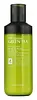
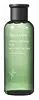
TONYMOLY The Chok Chok Green Tea Watery Lotion Versus innisfree Intensive Hydrating Toner with Green Tea Seed
This hydrating toner is formulated around Camellia Sinensis Leaf Extract to hydrate skin and calm redness.
This hydrating toner is formulated around Panthenol and Camellia Sinensis Leaf Extract to hydrate skin and strengthen the skin barrier.

What's inside
What's inside
 Key Ingredients
Benefits
Concerns
Ingredients Side-by-side
Camellia Sinensis Leaf Extract
Antimicrobial







Cyclomethicone
Emollient
Methylpropanediol
SolventPPG-14 Butyl Ether
Skin ConditioningAlcohol
Antimicrobial




Hydrogenated Ethylhexyl Olivate
EmollientPolyglyceryl-3 Methylglucose Distearate
Emulsifying
Citrus Limon Seed Oil
Masking

Aniba Rosaeodora Wood Oil
Astringent
Dimethicone/Vinyl Dimethicone Crosspolymer
Skin Conditioning
Hydroxyethyl Acrylate/Sodium Acryloyldimethyl Taurate Copolymer
Emulsion StabilisingAmmonium Acryloyldimethyltaurate/Vp Copolymer
Acrylates/C10-30 Alkyl Acrylate Crosspolymer
Emulsion StabilisingHydrogenated Olive Oil Unsaponifiables
Emollient
Tromethamine
BufferingDisodium EDTA
Camellia Sinensis Leaf Extract, Cyclomethicone, Methylpropanediol, PPG-14 Butyl Ether, Alcohol, Hydrogenated Ethylhexyl Olivate, Polyglyceryl-3 Methylglucose Distearate, Citrus Limon Seed Oil, Aniba Rosaeodora Wood Oil, Dimethicone/Vinyl Dimethicone Crosspolymer, Hydroxyethyl Acrylate/Sodium Acryloyldimethyl Taurate Copolymer, Ammonium Acryloyldimethyltaurate/Vp Copolymer, Acrylates/C10-30 Alkyl Acrylate Crosspolymer, Hydrogenated Olive Oil Unsaponifiables, Tromethamine, Disodium EDTA




Alternatives
Ingredients Explained
These ingredients are found in both products.
Ingredients higher up in an ingredient list are typically present in a larger amount.
Camellia Sinensis Leaf Extract (tea extract) is one of the most well-researched plant extracts in skincare with an impressive resume.
Black tea, green tea, and oolong tea are all harvested from the Camellia Sinensis plant.
Studies show green tea extract and its catechins (like epigallocatechin gallate (EGCG)) help your skin cells product energy more efficiently and reducing the number of free-radicals that can damage your skin from the inside.
In lab-grown skin models, this translated to younger, healthier, and stronger skin.
There's also good sun protection data; researchers saw less DNA damage and redness on human skin when green tea was applied before UVB exposure. And the more they applied, the better the protection.
Needless to say, this ingredient shouldn't replace your sunscreen. But it is a great supportive ingredient that you can already find in many sunscreens and antioxidant serums.
A 2009 study found a 2% green tea lotion was effective for mild-to-moderate acne thanks to its anti-inflammatory and mild antimicrobial activity.
The quality of the extract matters a lot here:
Good extracts contain 50-90% catechins while lower quality ones are mostly there for marketing. We recommend reaching out to the brand if you have questions about the quality or source of their ingredients.
Human Repeated Insult Patch Testing showed no irritation or sensitization at use concentrations (0.86% in leave-on products and up to 30% as leaf water).
Learn more about Camellia Sinensis Leaf ExtractDisodium EDTA is a chelating agent. It grabs onto and deactivates metal ions that sneak into your products from water, packaging, or air.
This ingredient mainly works behind the scenes and helps with:
On top of that, this ingredient can counteract the effects of hard water by binding to the minerals in it.
One thing worth knowing is that Disodium EDTA has been shown to be a mild penetration enhancer. It can help other ingredients absorb into skin more effectively which can be a double-edged sword (great for actives, but can also make the active too strong if you have sensitive skin).
Clinical patch testing showed no significant skin irritation at typical use concentrations and minimal dermal absorption.
You'll most likely see this ingredient near the end of an ingredient list. It's typically found in concentrations less than 1%.
Learn more about Disodium EDTA

