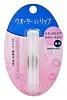
This calming lip moisturizer is formulated around Sodium Hyaluronate to calm redness and hydrate lips.
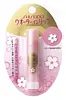
This lip moisturizer is formulated around Tocopheryl Acetate to brighten.

What's inside
What's inside
 Key Ingredients
Benefits
Concerns
Ingredients Side-by-side
Stearyl Glycyrrhetinate
Skin ConditioningMethyl/Phenyl Polysilsesquioxane

C13-14 Isoparaffin
Emollient
Paraffinum Liquidum
Emollient

Pentaerythrityl Tetraethylhexanoate
Emollient
Triethylhexanoin
MaskingPolyethylene
Abrasive

Paraffin
Skin Conditioning
Sodium Magnesium Silicate
Microcrystalline Wax
Emulsion StabilisingPEG/PPG-14/7 Dimethyl Ether
Skin ConditioningWater
Skin ConditioningPEG-8 Dimethicone
Emulsifying
Dipropylene Glycol
HumectantCera Microcristallina
Emulsion StabilisingGlycerin
Humectant

Silicone Resin
Tocopherol
Antioxidant





Sodium Hyaluronate
Humectant
Stearyl Glycyrrhetinate, Methyl/Phenyl Polysilsesquioxane, C13-14 Isoparaffin, Paraffinum Liquidum, Pentaerythrityl Tetraethylhexanoate, Triethylhexanoin, Polyethylene, Paraffin, Sodium Magnesium Silicate, Microcrystalline Wax, PEG/PPG-14/7 Dimethyl Ether, Water, PEG-8 Dimethicone, Dipropylene Glycol, Cera Microcristallina, Glycerin, Silicone Resin, Tocopherol, Sodium Hyaluronate
Stearyl Glycyrrhetinate
Skin ConditioningTocopheryl Acetate
Antioxidant
Glucosyl Hesperidin
HumectantPEG/PPG-14/7 Dimethyl Ether
Skin ConditioningCitrus Limon Fruit Extract
Masking
Glycerin
Humectant
Methyl/Phenyl Polysilsesquioxane
C13-14 Isoparaffin
Emollient
Erythrityl Triethylhexanoate
EmollientParaffinum Liquidum
Emollient
Polyethylene
Abrasive
Paraffin
Skin Conditioning
Microcrystalline Wax
Emulsion StabilisingPolyglyceryl-2 Diisostearate
Emulsifying

Butylene Glycol
Humectant
Water
Skin ConditioningSilica
Abrasive

Triethoxycaprylylsilane
Cera Microcristallina
Emulsion StabilisingMenthol
Masking

Tocopherol
Antioxidant
Citrus Aurantium Dulcis Peel Oil
Masking
Methicone
Emollient
Ascorbyl Dipalmitate
Antioxidant
Polyglyceryl-2 Triisostearate
Emulsifying
Trimethylolpropane Triethylhexanoate
EmollientTetradecene
EmollientTetrahydropyran Tetramethylcyclotetrasiloxane
Polymethylhydrogensiloxane
Titanium Dioxide
Cosmetic Colorant

CI 77491
Cosmetic ColorantCI 77492
Cosmetic ColorantStearyl Glycyrrhetinate, Tocopheryl Acetate, Glucosyl Hesperidin, PEG/PPG-14/7 Dimethyl Ether, Citrus Limon Fruit Extract, Glycerin, Methyl/Phenyl Polysilsesquioxane, C13-14 Isoparaffin, Erythrityl Triethylhexanoate, Paraffinum Liquidum, Polyethylene, Paraffin, Microcrystalline Wax, Polyglyceryl-2 Diisostearate, Butylene Glycol, Water, Silica, Triethoxycaprylylsilane, Cera Microcristallina, Menthol, Tocopherol, Citrus Aurantium Dulcis Peel Oil, Methicone, Ascorbyl Dipalmitate, Polyglyceryl-2 Triisostearate, Trimethylolpropane Triethylhexanoate, Tetradecene, Tetrahydropyran Tetramethylcyclotetrasiloxane, Polymethylhydrogensiloxane, Titanium Dioxide, CI 77491, CI 77492
Reviews
Ingredients Explained
These ingredients are found in both products.
Ingredients higher up in an ingredient list are typically present in a larger amount.
C13-14 Isoparaffin is a synthetic emollient, solvent, and thickening agent. It helps soften skin and improves spreadability without leaving a greasy residue.
This ingredient has been found to be non-sensitizing and safe for use in cosmetics.
Two things floating around online that cause fear-mongering:
There's one scary-sounding study related to kidney tumors in male rats; this depends on a protein called alpha-2u-globulin that binds the ingredient and clogs up kidney cells. Female rats barely make this protein, and humans don't make it at all so this effect cannot happen to us. Regulatory bodies have states this rat-only pathway shouldn't be used to judge human risk.
The other thing you'll see is 1,4-dioxane being a trace byproduct that can form during manufacturing of petroleum-derived ingredients. This is a real, but heavily managed/monitored issue. This byproduct is removed through purification steps before the ingredients goes into the formula. Regulatory bodies also actively monitor residual levels for safety.
One last thing to note: this ingredient is a pure hydrocarbon with no fatty-acid or ester chains for Malassezia to feed on, so it's considered fungal acne safe.
Learn more about C13-14 IsoparaffinCera Microcristallina, aka microcrystalline wax, is a petroleum-derived wax that helps thicken texture and stabilize the oils in formulas.
It also has mild occlusive properties that creates a film on skin to slow down water loss.
The CIR Expert Panel has concluded this ingredient to be safe as used in cosmetics.
This ingredient is refined to a cosmetic grade with high purity. It is chemically inert, stable, and doesn't clog pores (petroleum has a comedogenic rating of 0).
Malassezia feeds on fatty acids roughly in the C11-24 range and this ingredient contains none of those. Since there's no plausible food source for it here, this ingredient is fungal acne safe.
Learn more about Cera MicrocristallinaGlycerin (or glycerol) is a compound naturally found in your skin. It's a powerhouse humectant that pulls water into the stratum corneum.
Topically, glycerin does several things at once:
Your skin makes glycerin on its own (mostly from sebaceous oil breakdown) and shuttles it to your outermost layer of skin, or your epidermis, via aquaporin-3.
Aquaporin-3 is a transporter that is essential for normal skin hydration, elasticity, and repair. Interestingly, mice lacking in AQP3 have dry and less elastic skin that can be fully corrected with glycerin.
This ingredient is non-irritating, plays well with almost every ingredient, and works across all skin types. Typical use is anywhere between 3-10% but can go up to 79% in some leave-on products.
Just know very high concentrations (>40%) can feel tacky in low humidity.
Glycerin is the name for this ingredient in American English. British English uses Glycerol/Glycerine.
Learn more about GlycerinMethyl/Phenyl Polysilsesquioxane is a type of silicone.
Microcrystalline Wax is derived from petroleum through a de-oiling process, then highly refined and purified before use in cosmetics.
In skincare formulations, it is used to improve texture and create a smooth, even consistency. It also helps stabilize products by preventing ingredients from separating.
Paraffin is a solid wax that pulls its weight as an emollient, occlusive, and consistency-booster.
It softens skin and lays down a protective film to slow water loss and gives products a stable body and structure.
The cosmetic grade stuff is highly refined with a solid safety record. The CIR Expert Panel has repeatedly reaffirmed this ingredient to be safe in current practices of use and concentration.
The worry about carcinogenic compounds only applies to industrial grades, not the purified version used in skincare.
Despite its reputation, the highly reformed form is non-comedogenic and doesn't penetrate deeply into skin.
The good news for fungal-acne prone folks: the Malassezia yeast feeds on fatty acids and lipids and paraffin doesn't contain any of these (so there's nothing for the yeast to metabolize). This ingredient is considered fungal acne safe.
Learn more about ParaffinParaffinum Liquidum is a highly-refined cosmetic-grade mineral oil. It is also known as liquid paraffin.
Despite its controversial reputation, the science is pretty clear: it's one of the most well-studied and effective moisturizing ingredients out there.
As an occlusive, it forms a protective layer on the skin that locks in moisture and prevents transepidermal water loss (TEWL). This makes it especially great for compromised skin barriers.
The "it clogs your pores" myth has been around for decades; a study found that industrial-grade mineral oil may be comedogenic but cosmetic-grade mineral oil is not (these two are very, very different).
A 2017 review concluded that cosmetic use of mineral oils and waxes does not present a risk to consumers due to absorption.
Mineral oil got a bad rap from the old rabbit ear studies. When tested on actual human skin, cosmetic-grade mineral oil showed no comedogenic activity. The rating of 0 is a correction of outdated science.
Mineral oil is an inert substance with no fatty acids so there's nothing to feed Malassezia. This ingredient is fungal acne safe.
Learn more about Paraffinum LiquidumWe don't have a description for PEG/PPG-14/7 Dimethyl Ether yet.
Polyethylene is a synthetic ingredient that helps the skin retain moisture. It is a polymer.
It is also typically used within product formulations to help bind solid ingredients together and thicken oil-based ingredients. When added to balms and emulsions, it helps increase the melting point temperature.
We don't have a description for Stearyl Glycyrrhetinate yet.
Tocopherol is a fat-soluble antioxidant known as Vitamin E.
You'll find this ingredient in the vast majority of skincare (for good reason). It works to neutralize free radicals, or unstable molecules generated by UV exposure, pollution, and other environmental stressors, before they can cause oxidative damage to your skin cells.
Topically applied tocopherol has been shown to protect against UV damage by ramping up the skin's own natural defense enzymes.
It also acts as a skin conditioning agent; some studies show that regular topical use can improve the skin's water-binding capacity over 2-4 weeks.
This ingredient is especially loved for being a team player. When combined with Vitamin C, the photoprotective effect of both ingredients roughly doubles and the combo also helps reduce UV-induced DNA damage.
This ingredient has some brightening potential but it's more of a prevention ingredient than spot-fader. Cell studies show it can slow down melanin production but it's worth noting that it's not the most powerful brightener out there.
In formulations, it also serves as a stabilizer that helps protect other oxidation-prone ingredients from degrading.
Concentrations usually range from 0.1-1% in most leave-on products.
Learn more about TocopherolWater. It's the most common cosmetic ingredient of all. You'll usually see it at the top of ingredient lists, meaning that it makes up the largest part of the product.
So why is it so popular? Water most often acts as a solvent - this means that it helps dissolve other ingredients into the formulation.
You'll also recognize water as that liquid we all need to stay alive. If you see this, drink a glass of water. Remember to stay hydrated!
Learn more about Water

