

What's inside
What's inside
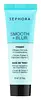 Key Ingredients
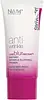
Benefits
Concerns
Ingredients Side-by-side
Dimethicone
Emollient

Dimethicone/Vinyl Dimethicone Crosspolymer
Skin Conditioning
Isododecane
EmollientCaprylyl Methicone
Skin Conditioning
Silica
Abrasive


Polyphenylsilsesquioxane
Dimethicone Crosspolymer
Emulsion Stabilising
Mica
Cosmetic ColorantCI 77891
Cosmetic ColorantTocopheryl Acetate
Antioxidant


Helianthus Annuus Seed Oil
Emollient



1,2-Hexanediol
Skin Conditioning
Caprylyl Glycol
Emollient
CI 77492
Cosmetic ColorantCI 77491
Cosmetic ColorantCI 77499
Cosmetic ColorantGinkgo Biloba Leaf Extract
Skin Conditioning

Dimethicone, Dimethicone/Vinyl Dimethicone Crosspolymer, Isododecane, Caprylyl Methicone, Silica, Polyphenylsilsesquioxane, Dimethicone Crosspolymer, Mica, CI 77891, Tocopheryl Acetate, Helianthus Annuus Seed Oil, 1,2-Hexanediol, Caprylyl Glycol, CI 77492, CI 77491, CI 77499, Ginkgo Biloba Leaf Extract
Cyclopentasiloxane
Emollient
Polymethyl Methacrylate
Isododecane
EmollientDimethicone
Emollient
Dimethicone Crosspolymer
Emulsion Stabilising
Mica
Cosmetic ColorantDimethicone/Vinyl Dimethicone Crosspolymer
Skin Conditioning
C12-15 Alkyl Benzoate
AntimicrobialMyristyl Nicotinate
Skin ConditioningEvodia Rutaecarpa Fruit Extract
Skin ConditioningHydrolyzed Verbascum Thapsus Flower
Antioxidant
Dimethiconol
Emollient
Propanediol
Solvent
Tocopherol
Antioxidant

Glycerin
Humectant
Parfum
Masking



BHT
Antioxidant
Citric Acid
Buffering
Potassium Sorbate
Preservative
Sodium Benzoate
Masking
Phenoxyethanol
Preservative
CI 77491
Cosmetic ColorantCI 77891
Cosmetic ColorantCI 77492
Cosmetic ColorantCyclopentasiloxane, Polymethyl Methacrylate, Isododecane, Dimethicone, Dimethicone Crosspolymer, Mica, Dimethicone/Vinyl Dimethicone Crosspolymer, C12-15 Alkyl Benzoate, Myristyl Nicotinate, Evodia Rutaecarpa Fruit Extract, Hydrolyzed Verbascum Thapsus Flower, Dimethiconol, Propanediol, Tocopherol, Glycerin, Parfum, BHT, Citric Acid, Potassium Sorbate, Sodium Benzoate, Phenoxyethanol, CI 77491, CI 77891, CI 77492
Ingredients Explained
These ingredients are found in both products.
Ingredients higher up in an ingredient list are typically present in a larger amount.
Ci 77491 is also hydrated iron III oxide. It's sole purpose is to give a red/pink hue to products.
Iron III oxides are classified as inorganic chemicals for coloring.
Synthetically created Ci 77491 is considered safer than those naturally found. This is because the synthetically created version may contain less impurities. Iron oxides are generally non-toxic and non-allergenic.
Learn more about CI 77491CI 77492 is also hydrated iron III oxide. It's sole purpose is to give a yellow hue to products.
Iron III oxides are classified as inorganic chemicals for coloring.
Synthetically created CI 77492 is considered safer than those naturally found. This is because the synthetically created version may contain less impurities. Iron oxides are generally non-toxic and non-allergenic.
Learn more about CI 77492Ci 77891 is a white pigment from Titanium dioxide. It is naturally found in minerals such as rutile and ilmenite.
It's main function is to add a white color to cosmetics. It can also be mixed with other colors to create different shades.
Ci 77891 is commonly found in sunscreens due to its ability to block UV rays.
Learn more about CI 77891Dimethicone is a type of synthetic silicone created from natural materials such as quartz. It is also known as polydimethylsiloxane.
What it does:
Dimethicone comes in different viscosities:
Depending on the viscosity, dimethicone has different properties.
Ingredients lists don't always show which type is used, so we recommend reaching out to the brand if you have questions about the viscosity.
This ingredient is unlikely to cause irritation because it does not get absorbed into skin. However, people with silicone allergies should be careful about using this ingredient.
Note: Dimethicone may contribute to pilling. This is because it is not oil or water soluble, so pilling may occur when layered with products. When mixed with heavy oils in a formula, the outcome is also quite greasy.
Learn more about DimethiconeDimethicone Crosspolymer is a silicone created by modifying dimethicone with hydrocarbon side chains. Due to its large size, it does not penetrate skin. It is considered non-occlusive.
Dimethicone Crosspolymer is used to stabilize and thicken products. It also helps give products a silky feel.
This ingredient is a silicone elastomer that works as a texture enhancer, adds a silky slip, and also helps absorb excess oil.
Because it's a large macromolecule that's insoluble in water and chemically inert, it's not expected to penetrate or be absorbed into skin.
Human patch tests with a facial lotion containing 1% of this ingredient found no sensitization.
Learn more about Dimethicone/Vinyl Dimethicone CrosspolymerIsododecane is a fragrance, emollient, and solvent.
As an emollient, it helps your skin stay soft and hydrated. Emollients help trap moisture into your skin.
Isododecane's role as a solvent makes it a great texture enhancer. It spreads smoothly on skin and does not leave a sticky feeling behind. Isododecane also helps prevent color transfer in makeup products.
Isododecane is not absorbed into skin.
The chemical name for this ingredient is 2,2,4,6,6-PENTAMETHYLHEPTANE.
Learn more about IsododecaneMica is a naturally occurring mineral used to add shimmer and color in cosmetics. It can also help improve the texture of a product or give it an opaque, white/silver color.
Serecite is the name for very fine but ragged grains of mica.
This ingredient is often coated with metal oxides like titanium dioxide. Trace amounts of heavy metals may be found in mica, but these metals are not harmful in our personal products.
Mica has been used since prehistoric times throughout the world. Ancient Egyptian, Indian, Greek, Roman, Aztec, and Chinese civilizations have used mica.
Learn more about Mica

