This mild gel cleanser is made to cleanse while calming and soothing your skin.
This mild gel cleanser is made to cleanse while calming and soothing your skin.


What's inside
What's inside
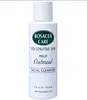 Key Ingredients
No key ingredients
Benefits
Concerns
Ingredients Side-by-side


Water
Skin ConditioningPEG-6 Caprylic/Capric Glycerides
EmulsifyingLauryl Glucoside
CleansingGlycerin
Humectant


Cocamidopropyl Betaine
Cleansing



Methyl Gluceth-20
Humectant
Poloxamer 184
EmulsifyingHydroxyethyl Acrylate/Sodium Acryloyldimethyl Taurate Copolymer
Emulsion StabilisingAvena Sativa Kernel Flour
Abrasive

Inulin
Skin Conditioning
Ammonium Acryloyldimethyltaurate/Vp Copolymer
Allantoin
Skin Conditioning

Phenoxyethanol
Preservative
Ethylhexylglycerin
Skin ConditioningCitric Acid
Buffering

Water, PEG-6 Caprylic/Capric Glycerides, Lauryl Glucoside, Glycerin, Cocamidopropyl Betaine, Methyl Gluceth-20, Poloxamer 184, Hydroxyethyl Acrylate/Sodium Acryloyldimethyl Taurate Copolymer, Avena Sativa Kernel Flour, Inulin, Ammonium Acryloyldimethyltaurate/Vp Copolymer, Allantoin, Phenoxyethanol, Ethylhexylglycerin, Citric Acid
Reviews
Ingredients Explained
These ingredients are found in both products.
Ingredients higher up in an ingredient list are typically present in a larger amount.
Methyl Gluceth-20 is a humectant. Humectants help draw moisture from the air to your skin.
It is created by combining polyethylene glycol with glucose.
Water. It's the most common cosmetic ingredient of all. You'll usually see it at the top of ingredient lists, meaning that it makes up the largest part of the product.
So why is it so popular? Water most often acts as a solvent - this means that it helps dissolve other ingredients into the formulation.
You'll also recognize water as that liquid we all need to stay alive. If you see this, drink a glass of water. Remember to stay hydrated!
Learn more about Water

