NARS Cosmetics Blush Versus The Saem Jelly Blusher


What's inside
What's inside
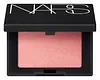 Key Ingredients
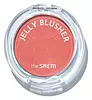
Benefits
Concerns
No concerns
Ingredients Side-by-side




Polymethyl Methacrylate

CI 77891
Cosmetic ColorantMica
Cosmetic ColorantDimethicone/Vinyl Dimethicone Crosspolymer
Skin Conditioning
Dimethicone
Emollient
Diphenylsiloxy Phenyl Trimethicone
Skin Conditioning
Hydrogenated Poly(C6-14 Olefin)
EmollientPhenyl Trimethicone
Skin Conditioning
Diisostearyl Malate
EmollientSilica
Abrasive

CI 19140
Cosmetic ColorantCI 15985
Cosmetic ColorantAluminum Hydroxide
EmollientPolymethylsilsesquioxane
CI 73360
Cosmetic ColorantCaprylyl Glycol
Emollient
Glyceryl Caprylate
EmollientCI 77491
Cosmetic ColorantTriethoxycaprylylsilane
Lauroyl Lysine
Skin Conditioning
Tocopherol
Antioxidant







Polymethyl Methacrylate, CI 77891, Mica, Dimethicone/Vinyl Dimethicone Crosspolymer, Dimethicone, Diphenylsiloxy Phenyl Trimethicone, Hydrogenated Poly(C6-14 Olefin), Phenyl Trimethicone, Diisostearyl Malate, Silica, CI 19140, CI 15985, Aluminum Hydroxide, Polymethylsilsesquioxane, CI 73360, Caprylyl Glycol, Glyceryl Caprylate, CI 77491, Triethoxycaprylylsilane, Lauroyl Lysine, Tocopherol
Reviews
Ingredients Explained
These ingredients are found in both products.
Ingredients higher up in an ingredient list are typically present in a larger amount.
CI 19140 is also known as Tartrazine. Tartrazine is a synthetic dye used in cosmetics, foods, and medicine to add a yellow color.
Tartrazine is created from petroleum and is water-soluble.
Some people may experience allergies from this dye, especially asthmatics and those with an aspirin intolerance.
Learn more about CI 19140Ci 73360 is a synthetic red-pink dye.
It is soluble in water and remains chemically stable across a range of pH levels typically used in cosmetics. This helps manufacturers maintain uniform color throughout a product’s shelf life.
Because this ingredient is a regulated cosmetic colorant, its purity, manufacturing standards, and allowed uses are defined by cosmetic regulations in major markets.
Learn more about CI 73360Ci 77891 is a white pigment from Titanium dioxide. It is naturally found in minerals such as rutile and ilmenite.
It's main function is to add a white color to cosmetics. It can also be mixed with other colors to create different shades.
Ci 77891 is commonly found in sunscreens due to its ability to block UV rays.
Learn more about CI 77891Dimethicone is a type of synthetic silicone created from natural materials such as quartz. It is also known as polydimethylsiloxane.
What it does:
Dimethicone comes in different viscosities:
Depending on the viscosity, dimethicone has different properties.
Ingredients lists don't always show which type is used, so we recommend reaching out to the brand if you have questions about the viscosity.
This ingredient is unlikely to cause irritation because it does not get absorbed into skin. However, people with silicone allergies should be careful about using this ingredient.
Note: Dimethicone may contribute to pilling. This is because it is not oil or water soluble, so pilling may occur when layered with products. When mixed with heavy oils in a formula, the outcome is also quite greasy.
Learn more about DimethiconeMica is a naturally occurring mineral used to add shimmer and color in cosmetics. It can also help improve the texture of a product or give it an opaque, white/silver color.
Serecite is the name for very fine but ragged grains of mica.
This ingredient is often coated with metal oxides like titanium dioxide. Trace amounts of heavy metals may be found in mica, but these metals are not harmful in our personal products.
Mica has been used since prehistoric times throughout the world. Ancient Egyptian, Indian, Greek, Roman, Aztec, and Chinese civilizations have used mica.
Learn more about Mica

