
What's inside
What's inside
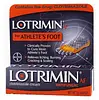 Benefits
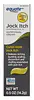
No benefits
Concerns
Ingredients Side-by-side



Clotrimazole 1%
AntimicrobialAloe Barbadensis Leaf Juice
Skin Conditioning


Carbomer
Emulsion StabilisingCetyl Alcohol
Emollient



DMDM Hydantoin
Preservative


Glyceryl Stearate
Emollient
Isopropyl Alcohol
Solvent

Methylparaben
Preservative

Paraffinum Liquidum
Emollient

Polysorbate 20
Emulsifying
Propylparaben
Preservative
Water
Skin ConditioningStearic Acid
Cleansing
Triethanolamine
BufferingTrisodium EDTA
Chelating
Reviews
Ingredients Explained
These ingredients are found in both products.
Ingredients higher up in an ingredient list are typically present in a larger amount.
Cetyl Alcohol is a fatty alcohol. Fatty Alcohols are most often used as an emollient or to thicken a product.
Its main roles are:
Though it has "alcohol" in the name, it is not related to denatured alcohol or ethyl alcohol.
The FDA allows products labeled "alcohol-free" to have fatty alcohols.
This ingredient may not be fungal acne safe. It is a primary fatty alcohol with a chain length above 12 carbons. A study from 2019 show Malassezia can feed on fatty alcohols in this range, so it may trigger fungal acne in those prone to it.
Learn more about Cetyl AlcoholWe don't have a description for Clotrimazole yet.
Water. It's the most common cosmetic ingredient of all. You'll usually see it at the top of ingredient lists, meaning that it makes up the largest part of the product.
So why is it so popular? Water most often acts as a solvent - this means that it helps dissolve other ingredients into the formulation.
You'll also recognize water as that liquid we all need to stay alive. If you see this, drink a glass of water. Remember to stay hydrated!
Learn more about Water

