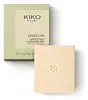
This mild cream cleanser is mild enough to cleanse without leaving skin feeling tight or stripped.
This oil-based cleanser is formulated around Salicylic Acid to clear breakouts and unclog pores.


What's inside
What's inside
 Key Ingredients
Benefits
Concerns
Ingredients Side-by-side
Sodium Cocoyl Isethionate
Cleansing
Hydrogenated Vegetable Oil
Emollient





Water
Skin ConditioningPolyglyceryl-4 Laurate
Emulsifying
Kaolin
Abrasive



Glycerin
Humectant

Parfum
Masking


Lactic Acid
Buffering




Zinc Oxide
Cosmetic Colorant

Tetrasodium Glutamate Diacetate
ChelatingAloe Barbadensis Leaf Juice
Skin Conditioning

Hydrolyzed Moringa Oleifera Seed Extract
Skin ConditioningHexyl Cinnamal
Perfuming
Benzyl Salicylate
Perfuming
Coumarin
Perfuming
Linalool
Perfuming
Alpha-Isomethyl Ionone
Perfuming
Sodium Salicylate
Preservative
Potassium Sorbate
Preservative
Sodium Cocoyl Isethionate, Hydrogenated Vegetable Oil, Water, Polyglyceryl-4 Laurate, Kaolin, Glycerin, Parfum, Lactic Acid, Zinc Oxide, Tetrasodium Glutamate Diacetate, Aloe Barbadensis Leaf Juice, Hydrolyzed Moringa Oleifera Seed Extract, Hexyl Cinnamal, Benzyl Salicylate, Coumarin, Linalool, Alpha-Isomethyl Ionone, Sodium Salicylate, Potassium Sorbate


Reviews
Ingredients Explained
These ingredients are found in both products.
Ingredients higher up in an ingredient list are typically present in a larger amount.
Glycerin (or glycerol) is a compound naturally found in your skin. It's a powerhouse humectant that pulls water into the stratum corneum.
Topically, glycerin does several things at once:
Your skin makes glycerin on its own (mostly from sebaceous oil breakdown) and shuttles it to your outermost layer of skin, or your epidermis, via aquaporin-3.
Aquaporin-3 is a transporter that is essential for normal skin hydration, elasticity, and repair. Interestingly, mice lacking in AQP3 have dry and less elastic skin that can be fully corrected with glycerin.
This ingredient is non-irritating, plays well with almost every ingredient, and works across all skin types. Typical use is anywhere between 3-10% but can go up to 79% in some leave-on products.
Just know very high concentrations (>40%) can feel tacky in low humidity.
Glycerin is the name for this ingredient in American English. British English uses Glycerol/Glycerine.
Learn more about GlycerinHydrogenated Vegetable Oil isn't a single oil. It's the labeling name for a blend of plant-derived oils that can include canola, rapeseed, safflower, sunflower, sesame, palm, palm kernel, cotton, soybean, olive, and more.
Hydrogenation is the processing step that reduces or removes the unsaturated bonds in the fatty acids to make the oil more resistant to oxidative and thermal damage.
In cosmetics, it acts as a skin conditioner, occlusive, and emollient that give products a rich body.
Concentrations are reported from 0.0004% to 60% with leave-on products going as high as 60% and rinse-off products staying at 8% or below.
The Cosmetic Ingredient Review has concluded this ingredient to be safe as used in cosmetics.
This ingredient does have a comedogenic rating of 3, but this doesn't mean a formula with this ingredient will clog pores. Human testing has proved that any finished product with this ingredient won't automatically make you break out; it really comes down to concentration, formula, and your skin.
Since this ingredient is a triglyceride built mostly from C16 and C18 fatty acids, this ingredient may not be fungal acne safe as that falls into the range the Malassezia yeast can metabolize.
Allergy-wise, the proteins responsible for plant food allergies are taken out of the refined oil. This is why reactions to refined oils are rare even from highly allergenic sources like peanut. Well-designed studies have also shown refined peanut oil is safely tolerated by the vast majority of peanut-allergic people.
However, the issue is with unrefined oils; be sure to reach out to the manufacturer if you have a plant food allergy about the type of oil used in their products.
The other catch for this INCI name is that it doesn't tell you which plants are in the blend so you would need to ask the brand.
Learn more about Hydrogenated Vegetable OilKaolin is a clay. It is used for oil control and to help minimize pores. Like other clays, kaolin has the ability to absorb excess sebum or oil. This can help clean out pores and mattify the skin.
Some types of kaolin may have exfoliating properties. When water is added to kaolin, it becomes a paste with small abrasive particles.
Most kaolin is a white color, but may be pink/orange/red depending on where it comes from.
The name 'kaolin' comes from a Chinese village named 'Gaoling'. Kaolin clay comes from rocks rich in kaolinite. Kaolinite, the mineral, has a silicate layered structure. Kaolinite is formed from chemical weathering of aluminum siilicate minerals.
Besides skincare, kaolin is commonly used to make glossy paper, in ceramics, toothpaste, and as medicine to soothe stomach issues.
Learn more about KaolinPolyglyceryl-4 Laurate isn't fungal acne safe.
Sodium cocoyl isethionate is a natural ingredient from coconut oil. It is an ultra gentle cleanser that gives a nice foam without drying the skin or impacting the skin barrier.
The amount of foam created depends on the amount of sodium cocoyl isethionate used in the product.
This ingredient also helps improve the spreadability of a product.
This ingredient hasn’t been shown in studies to feed fungal acne yeast.
Learn more about Sodium Cocoyl IsethionateTetrasodium Glutamate Diacetate is a chelating agent. Chelating agents help prevent metal ions from binding to other ingredients. This helps prevent unwanted effects and reactions from a product. These metal ions may come from water and are found in miniscule amounts.
Tetrasodium Glutamate Diacetate can also help other preservatives be more effective.
Water. It's the most common cosmetic ingredient of all. You'll usually see it at the top of ingredient lists, meaning that it makes up the largest part of the product.
So why is it so popular? Water most often acts as a solvent - this means that it helps dissolve other ingredients into the formulation.
You'll also recognize water as that liquid we all need to stay alive. If you see this, drink a glass of water. Remember to stay hydrated!
Learn more about Water

