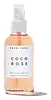
This hydrating oil is formulated around Squalane and Ubiquinone to hydrate skin and strengthen the skin barrier.
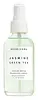
This oil-control toner is formulated around Salix Alba Bark Extract and Camellia Sinensis Leaf Extract to balance excess oil and refine the look of pores.

What's inside
What's inside
 Key Ingredients
Benefits
Concerns
Ingredients Side-by-side
Squalane
Emollient


Caprylic/Capric Triglyceride
Masking
Sesamum Indicum Seed Oil
Emollient




Ubiquinone
Antioxidant
Borago Officinalis Seed Oil
Emollient

Tocopherol
Antioxidant


Cocos Nucifera Fruit Extract
Emollient
Rosa Damascena Flower Extract
Masking
Eclipta Prostrata Extract
Skin Conditioning
Melia Azadirachta Leaf Extract
Skin ConditioningMoringa Oleifera Seed Oil
Emollient
Citronellol
Perfuming

Geraniol
Perfuming
Eugenol
Perfuming
Limonene
Perfuming
Squalane, Caprylic/Capric Triglyceride, Sesamum Indicum Seed Oil, Ubiquinone, Borago Officinalis Seed Oil, Tocopherol, Cocos Nucifera Fruit Extract, Rosa Damascena Flower Extract, Eclipta Prostrata Extract, Melia Azadirachta Leaf Extract, Moringa Oleifera Seed Oil, Citronellol, Geraniol, Eugenol, Limonene
Jasminum Officinale Flower Water
MaskingHamamelis Virginiana Flower Water
AstringentAloe Barbadensis Leaf Water
MaskingSalix Alba Bark Extract
Astringent
Camellia Sinensis Leaf Extract
Antimicrobial

Jasminum Officinale Flower Water, Hamamelis Virginiana Flower Water, Aloe Barbadensis Leaf Water, Salix Alba Bark Extract, Camellia Sinensis Leaf Extract, Zingiber Officinale Root Extract, Leuconostoc/Radish Root Ferment Filtrate, Jasminum Grandiflorum Flower Extract, Melia Azadirachta Leaf Extract, Melia Azadirachta Flower Extract
Ingredients Explained
These ingredients are found in both products.
Ingredients higher up in an ingredient list are typically present in a larger amount.
This ingredient is also known as neem leaf extract. It contains natural compounds like nimbidin, quercetin, and other polyphenols that give it antibacterial, antifungal, and anti-inflammatory activity.
Lab studies have shown neem leaf extract can inhibit acne-related bacteria and help calm skin. Animal studies on wound gels using 1-3% neem leaf extract found it sped up healing without causing irritation.
A wound-healing study testing gels with the extract at 1%, 2%, and 3% concentrations and found none of them irritated the skin.
Most commercial products also use it in a similar low range (typically under 5%).
Allergy-wise, there are some case reports on neem oil causing allergic contact dermatitis so people with plant/botanical sensitivities may want to patch test first.
Learn more about Melia Azadirachta Leaf Extract

