
What's inside
What's inside
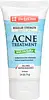 Key Ingredients
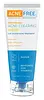
No key ingredients
Benefits
Concerns
Ingredients Side-by-side
Sulfur 3.5%
Antiseborrhoeic


Water
Skin ConditioningKaolin
Abrasive


Bentonite
Absorbent
Glycerin
Humectant


Magnesium Aluminum Silicate
Absorbent
Acacia Senegal Gum
MaskingSodium Bicarbonate
Abrasive
Sodium Ascorbyl Phosphate
Antioxidant





Sodium Cocoyl Isethionate
Cleansing
Phenoxyethanol
Preservative
Xanthan Gum
EmulsifyingCaprylyl Glycol
Emollient
Tetrasodium EDTA
Ethylhexylglycerin
Skin ConditioningHexylene Glycol
EmulsifyingCoconut Acid
Cleansing

Avena Sativa Bran Extract
Abrasive
Menthyl Lactate
Masking
Zinc PCA
Humectant
Magnesium Aspartate
Skin ConditioningZinc Gluconate
Skin Conditioning
Copper Gluconate
Skin Conditioning
Sulfur 3.5%, Water, Kaolin, Bentonite, Glycerin, Magnesium Aluminum Silicate, Acacia Senegal Gum, Sodium Bicarbonate, Sodium Ascorbyl Phosphate, Sodium Cocoyl Isethionate, Phenoxyethanol, Xanthan Gum, Caprylyl Glycol, Tetrasodium EDTA, Ethylhexylglycerin, Hexylene Glycol, Coconut Acid, Avena Sativa Bran Extract, Menthyl Lactate, Zinc PCA, Magnesium Aspartate, Zinc Gluconate, Copper Gluconate
Reviews
Ingredients Explained
These ingredients are found in both products.
Ingredients higher up in an ingredient list are typically present in a larger amount.
Sulfur is a commonly occurring element on Earth (and our universe!). In cosmetics, it helps kill bacteria, reduces sebum, and provides exfoliation. This makes it an effective ingredient to reduce breakouts and fight acne.
As a ketayolytic agent, it breaks down the top layer of skin. This is a form of exfoliation and may help decrease acne and hyperpigmentation.
Studies show sulfur has antibacterial and antifungal properties. Sulfur can be drying if used excessively or at higher concentrations. We recommend speaking with a medical professional if you have any concerns.
Ancient Greece, India, China, and Egypt have used sulfur in both traditional medicines and for household use.
Learn more about Sulfur

