
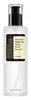
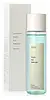
This hydrating essence is formulated around Snail Secretion Filtrate and Allantoin to hydrate skin and calm redness.

What's inside
What's inside
 Key Ingredients
Benefits
Concerns
No concerns
Ingredients Side-by-side


Citrus Natsudaidai Peel Extract 87%
HumectantHamamelis Virginiana Water
Astringent



Propanediol
Solvent

Salix Nigra Bark Extract 2%
Skin ProtectingSodium Hyaluronate
Humectant


Aloe Barbadensis Leaf Extract
Emollient
Bioflavonoids
Skin ConditioningBrassica Oleracea Italica Extract
AstringentBetaine
Humectant
Sodium Phytate
ChelatingZanthoxylum Piperitum Fruit Extract
Skin ConditioningPulsatilla Koreana Extract
Skin ConditioningUsnea Barbata Extract
Copper Gluconate
Skin Conditioning
Citrus Natsudaidai Peel Extract 87%, Hamamelis Virginiana Water, Propanediol, Salix Nigra Bark Extract 2%, Sodium Hyaluronate, Aloe Barbadensis Leaf Extract, Bioflavonoids, Brassica Oleracea Italica Extract, Betaine, Sodium Phytate, Zanthoxylum Piperitum Fruit Extract, Pulsatilla Koreana Extract, Usnea Barbata Extract, Copper Gluconate
Reviews
Ingredients Explained
These ingredients are found in both products.
Ingredients higher up in an ingredient list are typically present in a larger amount.
Betaine is a humectant. Like hyaluronic acid, it helps attract and retain moisture in the skin. It’s known for being gentle and for helping the skin maintain balanced hydration.
Betaine is mainly used to improve hydration and support calmer skin. It helps skin cells regulate water balance because it functions as an osmolyte.
Some studies suggest betaine may support making skin tone more even.
Fun fact: Betaine naturally exists in the skin and the body. In cosmetic products, it can be either plant-derived (most commonly from sugar beets) or synthetically produced for consistency and stability.
Betaine is also known as trimethylglycine.
Learn more about BetaineSodium Hyaluronate is the salt form of hyaluronic acid. It is a long sugar chain that is naturally found in your skin, joints, and connective tissue that maintains hydration and elasticity.
In skincare, it works as a humectant. It pulls water from the environment and deeper layers of skin and binds it to the surface.
Interestingly, the size of the molecule affects its behavior:
Some clinical evidence links low molecular weight versions to improved wrinkle depth, elasticity, anti-inflammatory effects, and barrier repair.
Many serums use a blend of both weights so you can get surface hydration plus longer-lasting and deeper effects.
You'll typically see concentrations between 0.1-2% for this ingredient.
Learn more about Sodium Hyaluronate

