Biotique Fresh Neem Pimple Control Face Wash Versus Wow Skin Science Vitamin C & Niacinamide Brightening Foaming Face Wash
This mild gel cleanser is mild enough to cleanse without leaving skin feeling tight or stripped.
This mild foaming cleanser is mild enough to cleanse without leaving skin feeling tight or stripped.

What's inside
What's inside
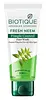 Key Ingredients
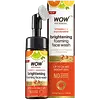
No key ingredients
Benefits
Concerns
Ingredients Side-by-side




Water
Skin ConditioningPropylene Glycol
Humectant


Sodium PCA
Humectant

3-O-Ethyl Ascorbic Acid
Skin Conditioning





Phenoxyethanol
Preservative
Ethylhexylglycerin
Skin ConditioningSodium Benzoate
Masking
Aloe Barbadensis Leaf Extract
Emollient
Niacinamide
Smoothing




Ascorbyl Methylsilanol Pectinate
Antioxidant
PPG-12-Buteth-16
Skin ConditioningDimethylsilanol Hyaluronate
Humectant
Hydroxyethylcellulose
Emulsion StabilisingCitric Acid
Buffering
Parfum
Masking


Sodium Gluconate
Skin ConditioningXanthan Gum
EmulsifyingGlycyrrhiza Glabra Root Extract
Bleaching
Citrus Limon Peel Oil
Masking



Citrus Aurantium Dulcis Peel Oil
Masking
Essential Oils
Water, Propylene Glycol, Sodium PCA, 3-O-Ethyl Ascorbic Acid, Phenoxyethanol, Ethylhexylglycerin, Sodium Benzoate, Aloe Barbadensis Leaf Extract, Niacinamide, Ascorbyl Methylsilanol Pectinate, PPG-12-Buteth-16, Dimethylsilanol Hyaluronate, Hydroxyethylcellulose, Citric Acid, Parfum, Sodium Gluconate, Xanthan Gum, Glycyrrhiza Glabra Root Extract, Citrus Limon Peel Oil, Citrus Aurantium Dulcis Peel Oil, Essential Oils
Alternatives
Ingredients Explained
These ingredients are found in both products.
Ingredients higher up in an ingredient list are typically present in a larger amount.
Water. It's the most common cosmetic ingredient of all. You'll usually see it at the top of ingredient lists, meaning that it makes up the largest part of the product.
So why is it so popular? Water most often acts as a solvent - this means that it helps dissolve other ingredients into the formulation.
You'll also recognize water as that liquid we all need to stay alive. If you see this, drink a glass of water. Remember to stay hydrated!
Learn more about Water

