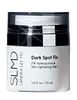
This brightening moisturizer is formulated around Hydroquinone and Kojic Acid to fade the look of dark spots and brighten dull-looking skin.
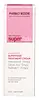
This brightening treatment is formulated around Hydroquinone and Salicylic Acid to fade the look of dark spots and clear breakouts.


What's inside
What's inside
 Key Ingredients
Benefits
Concerns
Ingredients Side-by-side
Hydroquinone 2%
Stabilising

Water
Skin ConditioningButylene Glycol
Humectant

Caprylic/Capric Triglyceride
Masking
Glycerin
Humectant
Hydroxyethyl Acrylate/Sodium Acryloyldimethyl Taurate Copolymer
Emulsion StabilisingSalicylic Acid
Masking









Kojic Acid
Antioxidant

Squalane
Emollient
Phenoxyethanol
Preservative
Niacinamide
Smoothing


Xanthan Gum
EmulsifyingSodium Metabisulfite
Antioxidant
Ethylhexylglycerin
Skin ConditioningSodium Hyaluronate
Humectant


Reviews
Ingredients Explained
These ingredients are found in both products.
Ingredients higher up in an ingredient list are typically present in a larger amount.
Hydroquinone is a classic ingredient dermatologists use to fade dark spots (things like melasma, acne marks, sun spots, and freckles).
It works in two ways:
1. By blocking an enzyme called tyrosinase; your skin uses this to make melanin, or the pigment that causes dark spots.
2. By interfering with the pigment making cells themselves so less pigment shows up over time
Just know this ingredient fades spots near the surface of skin and not the deeper ones. It's usually used at 2-4% / twice a day for 3 months, and ALWAYS with sunscreen.
This ingredient is usually well tolerated with short-term use under medical guidance. But possible reactions include irritation, contact dermatitis, and lightening of the skin around the spot you're treating.
You might hear hydroquinone called "cancer-causing". That concern comes from studies where rats were fed high oral doses; no skin cancer cases have been linked to it after more than 50 years of people putting it on their skin.
Long-term, high-strength, and unsupervised use can lead to a condition called ochronosis. This is where the skin turns blue-grey color and sometimes causes nails to turn dark as well.
The rules around it vary by country.
The EU bans it in regular cosmetics and it is prescription only in the US, EU, Japan, Canada, and Australia. Anything you see on the shelf without a prescription is technically not allowed.
Check out the European alternative to hydroquinone here.
SkinSort would like to remind friends from around the world that all skin tones are beautiful!
Learn more about HydroquinoneSalicylic Acid (also known as beta hydroxy acid or BHA) is a well-known ingredient for treating skin that struggles with acne and clogged pores. It exfoliates both the skin's surface and deep within the pores to help clear out buildup, control oil, and reduce inflammation.
Unlike AHAs (alpha hydroxy acids), salicylic acid is oil-soluble. This allows it to penetrate into pores which makes it especially effective for treating blackheads and preventing future breakouts.
Salicylic acid is also known for its soothing properties. It has a similar structure to aspirin and can calm inflamed or irritated skin, making it a good option for acne-prone skin that is also sensitive.
Concentrations of 0.5-2% are recognized by the U.S. FDA as an over-the-counter topical acne product.
It can cause irritation and/or dryness if one's skin already has a compromised moisture barrier, so it's best to focus on repairing that before introducing this ingredient into your routine.
While salicylic acid does not increase sun sensitivity, it’s still important to wear sunscreen daily to protect your skin.
If you are looking for the ingredient called BHA or Butylated Hydroxyanisole, click here.
Learn more about Salicylic Acid

