SK-II Facial Treatment Essence (Pitera Essence) Versus Kiehl's Calendula Herbal Extract Alcohol Free Toner
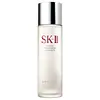
This barrier-repair essence is formulated around Galactomyces Ferment Filtrate to strengthen the skin barrier and hydrate skin.
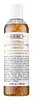
This calming toner is formulated around Calendula Officinalis Extract and Calendula Officinalis Flower Extract to calm redness.


What's inside
What's inside
 Benefits
Concerns
Ingredients Side-by-side



Water
Skin ConditioningPropylene Glycol
Humectant


Pentylene Glycol
Skin Conditioning
Methylparaben
Preservative


Disodium EDTA
ChelatingArctium Lappa Root Extract
Skin Conditioning
Calendula Officinalis Extract
Skin Conditioning
Calendula Officinalis Flower Extract
Masking
Hydrolyzed Corn Starch
HumectantAllantoin
Skin Conditioning
Hedera Helix Leaf/Stem Extract
AntimicrobialAlthaea Officinalis Root Extract
Skin Conditioning
Reviews
Ingredients Explained
These ingredients are found in both products.
Ingredients higher up in an ingredient list are typically present in a larger amount.
Methylparaben is a synthetic preservative and one of the most widely used in the world. It has a simple, but important job: prevent your products from going bad by stopping bacteria, yeast, and mold from growing.
Typical use levels are low, often 0.1-0.3%.
This is also one of the most heavily studied preservatives out there and major regulatory bodies have repeatedly given it the green light.
In 2023, the EU's Scientific Committee on Consumer Safety (SCCS) confirmed that this ingredient is safe up to 0.4% on its own, of up to 0.8% when mixed with other paraben esters.
Here's the science behind the noise behind parabens/hormones as well:
Methylparaben shows very weak estrogen-like activity in vitro tests (more than 1,000x weaker than your body's own estradiol). In vivo (live-organism) studies don't support a meaningful endocrine-disrupting effect either.
You get a stronger estrogenic effect from eating tofu, actually.
It's also a low sensitizer and allergic reactions are uncommon; they usually happen on damage or broken skin.
There is a caveat: France has proposed to formally re-examine its endocrine classification in 2025 so the regulatory conversation isn't fully closed as of yet.
But as it stands today, this ingredient is considered safe at permitted levels.
Learn more about MethylparabenPentylene Glycol (1,2-pentanediol) is a multitasking little diol with three main roles in a formula:
Research on alkanediols (the family pentylene glycol belongs to) show they work by disrupting microbial cell membranes. This disruption helps the primary preservative system in a product work more effectively at lower doses.
On the safety side, the Cosmetic Ingredient Review Expert Panel has concluded this ingredient to be safe as used in current cosmetic practices + concentrations.
Typical use levels in a formula run about 1-5%.
Learn more about Pentylene GlycolWater. It's the most common cosmetic ingredient of all. You'll usually see it at the top of ingredient lists, meaning that it makes up the largest part of the product.
So why is it so popular? Water most often acts as a solvent - this means that it helps dissolve other ingredients into the formulation.
You'll also recognize water as that liquid we all need to stay alive. If you see this, drink a glass of water. Remember to stay hydrated!
Learn more about Water

