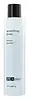
This smoothing toner is formulated around Lactic Acid and Citric Acid to refine skin texture and brighten dull-looking skin.
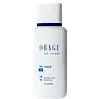
This calming toner is formulated around Aloe Barbadensis Leaf Juice to calm redness.

What's inside
What's inside
 Key Ingredients
No key ingredients
Benefits
Concerns
Ingredients Side-by-side
Water
Skin ConditioningLactic Acid
Buffering










Citric Acid
Buffering
Glycerin
Humectant

Aloe Barbadensis Leaf Juice
Skin Conditioning

Hydrastis Canadensis Extract
MaskingCucumis Sativus Fruit Extract
Emollient
Salvia Officinalis Leaf Extract
CleansingCalendula Officinalis Flower Extract
Masking
Arctium Lappa Root Extract
Skin Conditioning
Paullinia Cupana Seed Extract
Skin ConditioningHedera Helix Leaf/Stem Extract
AntimicrobialTetrasodium EDTA
ChelatingWater, Lactic Acid, Citric Acid, Glycerin, Aloe Barbadensis Leaf Juice, Hydrastis Canadensis Extract, Cucumis Sativus Fruit Extract, Salvia Officinalis Leaf Extract, Calendula Officinalis Flower Extract, Arctium Lappa Root Extract, Paullinia Cupana Seed Extract, Hedera Helix Leaf/Stem Extract, Tetrasodium EDTA
Water
Skin ConditioningHamamelis Virginiana Water
Astringent
Aloe Barbadensis Leaf Juice
Skin Conditioning
Potassium Alum
AstringentSodium PCA
Humectant
Panthenol
Skin Conditioning
DMDM Hydantoin
Preservative
Polysorbate 80
Emulsifying
Allantoin
Skin Conditioning
Glycerin
Humectant
Salvia Officinalis Leaf Extract
CleansingBorago Officinalis Extract
Emollient
Calendula Officinalis Flower Extract
Masking
Saponins
CleansingIodopropynyl Butylcarbamate
Preservative
Parfum
Masking
CI 42090
Cosmetic ColorantWater, Hamamelis Virginiana Water, Aloe Barbadensis Leaf Juice, Potassium Alum, Sodium PCA, Panthenol, DMDM Hydantoin, Polysorbate 80, Allantoin, Glycerin, Salvia Officinalis Leaf Extract, Borago Officinalis Extract, Calendula Officinalis Flower Extract, Saponins, Iodopropynyl Butylcarbamate, Parfum, CI 42090
Ingredients Explained
These ingredients are found in both products.
Ingredients higher up in an ingredient list are typically present in a larger amount.
Aloe Barbadensis Leaf Juice is the filtered, stabilized liquid pressed from the inner gel of the aloe vera leaf.
In cosmetics, it shows up as either soothing active or a water-replacement base. It is roughly 98-99% water and the last 1-2% is an interesting mix of polysaccharides, amino acids, vitamins, minerals, and enzymes.
The polysaccharides do most of the work: they bind water at the skin surface for a light, non-greasy hydration boost. And one of the polysaccharides, glycomannan, is linked to fibroblast stimulation + collagen synthesis. This is also why aloe has such a long track record in wound and burn healing.
This ingredient is also calming with anti-inflammatory and mild antimicrobial activity, making it a great pick for sensitive, irritated, or post-sun skin.
Realistic expectations matter though; the solid evidence is mostly limited to hydration, soothing, and wound support. Deeper claims about anti-aging or sun protection are not well backed, and science reviews note it does not prevent radiation-induced skin injury.
Because it plays well with almost everything, it's commonly used as a base alongside other actives like niacinamide or vitamin C.
Typical usage concentrations range from 0.5% (where hydration benefits already show up) all the way to 90%+ (where it replaces water as the main base).
The safety for this ingredient is well-establish as well. Overall, this is a great supporting ingredient for those who want a boost in hydration.
Learn more about Aloe Barbadensis Leaf JuiceCalendula Officinalis Flower Extract comes from the marigold flower and has been used on skin for centuries for its calming effect.
In the lab, its active compounds appear to calm inflammation and support the early "healing" phase of minor wounds.
This is why Europe's medicines regulator has approved calendula extracts as a traditional remedy for minor skin inflammation and healing small wounds.
The stronger human evidence is around would/ulcer care rather than everyday cosmetic claims; a review that pulled together 14 studies found that calendula helped calm the early, inflamed stage of a wound and helped new skin tissue form faster.
Two studies also showed it shrank leg ulcers (the kind caused by poor circulation). Results were mixed for burns and for the skin irritation people get from radiation treatment, so it's not a sure thing there.
In cosmetics, it's mostly a skin conditioning and soothing agent.
The Cosmetic Ingredient Review panel concluded that calendula-derived ingredients are safe as used and that the ingredients are not irritating, sensitizing, or photosensitizing in clinical tests (though they may be mild eye irritants).
Typical use levels are quite low; industry data reported it used at under 0.5% (one supplier noted a 10-25% extract blend used at 1-10% in the finished product). Historical use goes up to 10%.
The only thing to keep in mind is if you have daisy/ragweed allergies. Calendula is in the same family and one patch-test study found 2% of dermatitis patients reacted to marigold. Be sure to patch test if you have sensitive or allergy-prone skin.
Learn more about Calendula Officinalis Flower ExtractGlycerin (or glycerol) is a compound naturally found in your skin. It's a powerhouse humectant that pulls water into the stratum corneum.
Topically, glycerin does several things at once:
Your skin makes glycerin on its own (mostly from sebaceous oil breakdown) and shuttles it to your outermost layer of skin, or your epidermis, via aquaporin-3.
Aquaporin-3 is a transporter that is essential for normal skin hydration, elasticity, and repair. Interestingly, mice lacking in AQP3 have dry and less elastic skin that can be fully corrected with glycerin.
This ingredient is non-irritating, plays well with almost every ingredient, and works across all skin types. Typical use is anywhere between 3-10% but can go up to 79% in some leave-on products.
Just know very high concentrations (>40%) can feel tacky in low humidity.
Glycerin is the name for this ingredient in American English. British English uses Glycerol/Glycerine.
Learn more about GlycerinSage leaf extract is a culinary and medicinal herb with antibacterial, antioxidant, and soothing properties.
This ingredient is made up of 75-90% ursolic acid, a potent antioxidant and anti-inflammatory compound.
Water. It's the most common cosmetic ingredient of all. You'll usually see it at the top of ingredient lists, meaning that it makes up the largest part of the product.
So why is it so popular? Water most often acts as a solvent - this means that it helps dissolve other ingredients into the formulation.
You'll also recognize water as that liquid we all need to stay alive. If you see this, drink a glass of water. Remember to stay hydrated!
Learn more about Water

