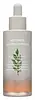
This calming ampoule is formulated around Artemisia Annua Extract and Chondrus Crispus Extract to calm redness and strengthen the skin barrier.
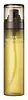
This calming essence is formulated around Artemisia Annua Extract to calm redness and strengthen the skin barrier.

What's inside
What's inside
 Key Ingredients
No key ingredients
Benefits
Concerns
No concerns
Ingredients Side-by-side
Artemisia Annua Extract
Masking


Glycerin
Humectant

Butylene Glycol
Humectant
Water
Skin Conditioning1,2-Hexanediol
Skin Conditioning
Betaine
Humectant
Trehalose
Humectant
Chondrus Crispus Extract
Skin Conditioning

Saccharum Officinarum Extract
MoisturisingCarbomer
Emulsion StabilisingPolyacrylate Crosspolymer-6
Emulsion StabilisingTromethamine
BufferingPolyquaternium-51
Skin Conditioning
Ethylhexylglycerin
Skin ConditioningDisodium EDTA
Chelating
Reviews
Ingredients Explained
These ingredients are found in both products.
Ingredients higher up in an ingredient list are typically present in a larger amount.
1,2-Hexanediol is a synthetic liquid and another multi-functional powerhouse.
It is a:
- Humectant, drawing moisture into the skin
- Emollient, helping to soften skin
- Solvent, dispersing and stabilizing formulas
- Preservative booster, enhancing the antimicrobial activity of other preservatives
Artemisia Annua Extract comes from sweet wormwood or the annual mugwort. This plant is best known historically as the source of the anti-malarial drug, artemisinin.
In skincare, this ingredient has skin soothing and conditioning properties that make it a great choice for sensitive, reactive, or acne-prone skin.
The extract is rich in polyphenols, flavonoids, and sesquiterpenes that do most of the work in a formula.
A 2020 human clinical trial found that cosmetics containing Artemisia Annua Extract increased stratum corneum hydration and reduced transepidermal water loss while also calming redness and inflammation over four weeks of use.
Lab and animal studies build on this as well, showing the extract reduces inflammatory signals, boosts a protein important for barrier health (filaggrin), and has anti-itch/antibacterial activity (including against C.acnes, the bacteria linked to breakouts).
There's also a well-documented artemisinin-free version called Artemisia Naphta oil which performed well at 1% in a small human trial for sensitive and acne-prone skin.
On concentrations, published research clusters around 1% for finished products.
The ingredient is generally well-tolerated, but people with Asteraceae or ragweed allergies may want to patch test first.
Learn more about Artemisia Annua Extract

