

What's inside
What's inside
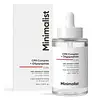 Key Ingredients
No key ingredients
Benefits
No benefits
Concerns
Ingredients Side-by-side
Propylene Glycol
Humectant


Glycerin
Humectant

PEG-12 Dimethicone
Skin Conditioning
Xylitylglucoside
Humectant
Salicylic Acid
Masking








Ethyl Lauroyl Arginate Hcl
Skin ConditioningPanthenol
Skin Conditioning

Piroctone Olamine
Preservative
Climbazole
Antimicrobial
Hexamidine Diisethionate
Emollient
Oligopeptide-29
Antioxidant

Propanediol Caprylate
Skin ConditioningWater
Skin ConditioningHexylene Glycol
EmulsifyingCapryloyl Glycine
CleansingPhenoxyethanol
Preservative
Anhydroxylitol
Humectant
Xylitol
Humectant
Ethylhexylglycerin
Skin ConditioningPropylene Glycol, Glycerin, PEG-12 Dimethicone, Xylitylglucoside, Salicylic Acid, Ethyl Lauroyl Arginate Hcl, Panthenol, Piroctone Olamine, Climbazole, Hexamidine Diisethionate, Oligopeptide-29, Propanediol Caprylate, Water, Hexylene Glycol, Capryloyl Glycine, Phenoxyethanol, Anhydroxylitol, Xylitol, Ethylhexylglycerin


Reviews
Ingredients Explained
These ingredients are found in both products.
Ingredients higher up in an ingredient list are typically present in a larger amount.
Piroctone Olamine is a synthetic antifungal and preservative ingredient.
Its main job is to keep the yeast, Malassezia, in check; this yeast is linked to dandruff, seborrheic dermatitis, and fungal acne (a.k.a. Malassezia folliculitis).
The way it works is pretty neat:
It slips into the fungal cell and grabs onto iron ions that the yeast needs for its energy metabolism; this basically starves it out. But the full mechanism isn't 100% pinned down and some research also points it to interfering with ergosterol (a building block of the fungal cell membrane).
Besides antifungal action, it also has mild anti-inflammatory and soothing effects to help calm itchiness in the scalp.
Typical usage concentrations are low. The EU permits it to be a preservative up to 1% in rinse-off products and 0.5% in leave-on products.
Though it's generally well-tolerated, a small number of people may notice itching or irritation (as with any active).
Learn more about Piroctone OlamineWater. It's the most common cosmetic ingredient of all. You'll usually see it at the top of ingredient lists, meaning that it makes up the largest part of the product.
So why is it so popular? Water most often acts as a solvent - this means that it helps dissolve other ingredients into the formulation.
You'll also recognize water as that liquid we all need to stay alive. If you see this, drink a glass of water. Remember to stay hydrated!
Learn more about Water

