
What's inside
What's inside
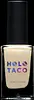 Key Ingredients
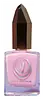
No key ingredients
Benefits
Concerns
Ingredients Side-by-side
Butyl Acetate
MaskingEthyl Acetate
Perfuming

Nitrocellulose
Acetyl Tributyl Citrate
Masking
Adipic Acid/Neopentyl Glycol/Trimellitic Anhydride Copolymer
Isopropyl Alcohol
Solvent




Styrene/Acrylates Copolymer
Stearalkonium Hectorite
Gel FormingAdipic Acid
BufferingAcrylates Copolymer
Benzophenone-1
UV Absorber
Etocrylene
UV AbsorberTitanium Dioxide
Cosmetic Colorant
Citric Acid
Buffering

Stearalkonium Bentonite
Gel FormingCalcium Pantothenate
Carthamus Tinctorius Seed Oil
Masking


Punica Granatum Extract
AstringentHelianthus Annuus Seed Oil
Emollient
Diacetone Alcohol
MaskingCI 19140
Cosmetic ColorantIron Oxides
Butyl Acetate, Ethyl Acetate, Nitrocellulose, Acetyl Tributyl Citrate, Adipic Acid/Neopentyl Glycol/Trimellitic Anhydride Copolymer, Isopropyl Alcohol, Styrene/Acrylates Copolymer, Stearalkonium Hectorite, Adipic Acid, Acrylates Copolymer, Benzophenone-1, Etocrylene, Titanium Dioxide, Citric Acid, Stearalkonium Bentonite, Calcium Pantothenate, Carthamus Tinctorius Seed Oil, Punica Granatum Extract, Helianthus Annuus Seed Oil, Diacetone Alcohol, CI 19140, Iron Oxides
Butyl Acetate
MaskingEthyl Acetate
Perfuming
Nitrocellulose
Acetyl Tributyl Citrate
Masking
Adipic Acid/Neopentyl Glycol/Trimellitic Anhydride Copolymer
Isopropyl Alcohol
Solvent
Hydroxybutyric Acid/Hydroxypentanoic Acid Copolymer
Abrasive
Stearalkonium Hectorite
Gel FormingAdipic Acid/Fumaric Acid/Tricyclodecane Dimethanol Copolymer
Benzophenone-1
UV Absorber
Citric Acid
Buffering
Tocopheryl Acetate
Antioxidant

CI 77891
Cosmetic ColorantCI 15850
Cosmetic ColorantButyl Acetate, Ethyl Acetate, Nitrocellulose, Acetyl Tributyl Citrate, Adipic Acid/Neopentyl Glycol/Trimellitic Anhydride Copolymer, Isopropyl Alcohol, Hydroxybutyric Acid/Hydroxypentanoic Acid Copolymer, Stearalkonium Hectorite, Adipic Acid/Fumaric Acid/Tricyclodecane Dimethanol Copolymer, Benzophenone-1, Citric Acid, Tocopheryl Acetate, CI 77891, CI 15850
Reviews
Ingredients Explained
These ingredients are found in both products.
Ingredients higher up in an ingredient list are typically present in a larger amount.
Acetyl Tributyl Citrate is a fragrance.
We don't have a description for Adipic Acid/Neopentyl Glycol/Trimellitic Anhydride Copolymer yet.
Benzophenone-1 absorbs UV.
We don't have a description for Butyl Acetate yet.
Citric Acid is an alpha hydroxy acid (AHA) naturally found in citrus fruits like oranges, lemons, and limes.
Like other AHAs, citric acid can exfoliate skin by breaking down the bonds that hold dead skin cells together. This helps reveal smoother and brighter skin underneath.
However, this exfoliating effect only happens at high concentrations (20%) which can be hard to find in cosmetic products.
Due to this, citric acid is usually included in small amounts as a pH adjuster. This helps keep products slightly more acidic and compatible with skin's natural pH.
In skincare formulas, citric acid can:
While it can provide some skin benefits, research shows lactic acid and glycolic acid are generally more effective and less irritating exfoliants.
Most citric acid used in skincare today is made by fermenting sugars (usually from molasses). This synthetic version is identical to the natural citrus form but easier to stabilize and use in formulations.
Rosacea skin has a lower threshold for acids generally, with 62.5% of rosacea subjects in one study reacting to lactic acid in a sting test. This is why we mark citric acid as a potential rosacea trigger.
However, this ingredient shows up as a pH adjuster or chelator at roughly 0.1-1% in many products. These low levels are unlikely to be an issue for rosacea skin and becomes a potential trigger at exfoliating concentrations (20%). Because everybody's skin is unique, we recommend a patch test if you are unsure.
Learn more about Citric AcidEthyl Acetate is a fragrance.
Isopropyl Alcohol is a small, fast-evaporating alcohol.
Formulators use it as a solvent, a way to think out thick liquids, an antifoaming agent, and occasionally a fragrance ingredient.
Reported use concentrations run from 0.002%-100% and any number over 50% usually comes from a nail product.
Actual skincare numbers run much lower: cleansers (0.3-26%), toners (0.07-7%), face moisturizers (0.04-0.2%).
The Cosmetic Ingredient Review Expert Panel reviewed it and concluded it is safe in the present practices of use and the International Agency for Research on Cancer classifies it as a non-carcinogenic to humans.
True allergy to this ingredient is uncommon but real: 44 out of 1,450 patients patch tested between 1992-2011 reacted with most cases clustering in people with leg ulcers, occupational hand eczema, or repeated use of Isopropyl Alcohol on already-broken skin.
Irritation and dryness are far more likely than allergy; before you throw away your skincare, just know this is dose-dependent and the risk is modest.
The irritant potential of the alcohols used in hand antiseptics is very low and skin irritation is significantly lower after alcohol application than after detergents (though isopropanol is somewhat more irritating than ethanol).
A 70% solution was a severe eye irritant in rabbit eye tests so the industry keeps this ingredient at low percentages in eye-area products.
One genuine caution: a 70% solution was a severe eye irritant in rabbit eye tests, so it belongs at low percentages in eye-area products, which is where the industry already keeps it.
According to the National Rosacea Society based in the US, you should be mindful of products with these alcohols in the top half of ingredients.
Learn more about Isopropyl AlcoholWe don't have a description for Nitrocellulose yet.
Stearalkonium Hectorite is a clay-derived ingredient used to thicken a product and help create a gel-like texture.


