

What's inside
What's inside
 Benefits
No benefits
Concerns
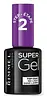
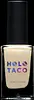
Ingredients Side-by-side
Butyl Acetate
MaskingEthyl Acetate
Perfuming

Acrylates Copolymer
Nitrocellulose
Acetyl Tributyl Citrate
Masking
Adipic Acid/Neopentyl Glycol/Trimellitic Anhydride Copolymer
Isopropyl Alcohol
Solvent




Etocrylene
UV AbsorberEthyl Trimethylbenzoyl Phenylphosphinate
UV AbsorberHydroxyethyl Acrylate/Ipdi/PPG-15 Glyceryl Ether Copolymer
Mek
Perfuming
Trimethylpentanediyl Dibenzoate
CI 60725
Cosmetic ColorantButyl Acetate, Ethyl Acetate, Acrylates Copolymer, Nitrocellulose, Acetyl Tributyl Citrate, Adipic Acid/Neopentyl Glycol/Trimellitic Anhydride Copolymer, Isopropyl Alcohol, Etocrylene, Ethyl Trimethylbenzoyl Phenylphosphinate, Hydroxyethyl Acrylate/Ipdi/PPG-15 Glyceryl Ether Copolymer, Mek, Trimethylpentanediyl Dibenzoate, CI 60725
Butyl Acetate
MaskingEthyl Acetate
Perfuming
Nitrocellulose
Acetyl Tributyl Citrate
Masking
Adipic Acid/Neopentyl Glycol/Trimellitic Anhydride Copolymer
Isopropyl Alcohol
Solvent
Styrene/Acrylates Copolymer
Stearalkonium Hectorite
Gel FormingAdipic Acid
BufferingAcrylates Copolymer
Benzophenone-1
UV Absorber
Etocrylene
UV AbsorberTitanium Dioxide
Cosmetic Colorant
Citric Acid
Buffering

Stearalkonium Bentonite
Gel FormingCalcium Pantothenate
Carthamus Tinctorius Seed Oil
Masking


Punica Granatum Extract
AstringentHelianthus Annuus Seed Oil
Emollient
Diacetone Alcohol
MaskingCI 19140
Cosmetic ColorantIron Oxides
Butyl Acetate, Ethyl Acetate, Nitrocellulose, Acetyl Tributyl Citrate, Adipic Acid/Neopentyl Glycol/Trimellitic Anhydride Copolymer, Isopropyl Alcohol, Styrene/Acrylates Copolymer, Stearalkonium Hectorite, Adipic Acid, Acrylates Copolymer, Benzophenone-1, Etocrylene, Titanium Dioxide, Citric Acid, Stearalkonium Bentonite, Calcium Pantothenate, Carthamus Tinctorius Seed Oil, Punica Granatum Extract, Helianthus Annuus Seed Oil, Diacetone Alcohol, CI 19140, Iron Oxides
Reviews
Ingredients Explained
These ingredients are found in both products.
Ingredients higher up in an ingredient list are typically present in a larger amount.
Acetyl Tributyl Citrate is a fragrance.
Acrylates Copolymer is used as a film-forming agent and texture enhancer.
After applied, Acrylates Copolymer forms a thin film cover that helps skin feel more soft. It can help sunscreens become more water-resistant.
It is also used to make a product more thick.
Learn more about Acrylates CopolymerWe don't have a description for Adipic Acid/Neopentyl Glycol/Trimellitic Anhydride Copolymer yet.
We don't have a description for Butyl Acetate yet.
Ethyl Acetate is a fragrance.
We don't have a description for Etocrylene yet.
Isopropyl Alcohol is more commonly known as rubbing alcohol. It is most commonly used as a solvent, meaning it helps other ingredients dissolve.
This ingredient is an astringent alcohol. Astringent alcohols may also irritate skin as they high amounts may strip away your skin's natural oils.
Other types of astringent alcohols include:
According to the National Rosacea Society based in the US, you should be mindful of products with these alcohols in the top half of ingredients.
Any type of sanitizing product will have high amounts of alcohol to help kill bacteria and viruses.
Learn more about Isopropyl AlcoholWe don't have a description for Nitrocellulose yet.


