

What's inside
What's inside
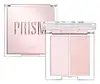 Key Ingredients
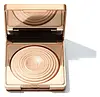
Benefits
Concerns
Ingredients Side-by-side
Synthetic Fluorphlogopite
Cetyl Ethylhexanoate
EmollientHdi/Trimethylol Hexyllactone Crosspolymer
Squalene
Emollient


Octyldodecyl Stearoyl Stearate
Emollient
Glycerin
Humectant

Polysorbate 20
Emulsifying
Caprylyl Glycol
Emollient
Ethylhexylglycerin
Skin Conditioning1,2-Hexanediol
Skin Conditioning
Tin Oxide
Abrasive
Chondrus Crispus
Masking

Xanthan Gum
EmulsifyingPentaerythrityl Tetra-Di-T-Butyl Hydroxyhydrocinnamate
Antioxidant
Silica
Abrasive

Dicalcium Phosphate
Abrasive
Titanium Dioxide
Cosmetic Colorant

CI 77491
Cosmetic ColorantMica
Cosmetic ColorantSynthetic Fluorphlogopite, Cetyl Ethylhexanoate, Hdi/Trimethylol Hexyllactone Crosspolymer, Squalene, Octyldodecyl Stearoyl Stearate, Glycerin, Polysorbate 20, Caprylyl Glycol, Ethylhexylglycerin, 1,2-Hexanediol, Tin Oxide, Chondrus Crispus, Xanthan Gum, Pentaerythrityl Tetra-Di-T-Butyl Hydroxyhydrocinnamate, Silica, Dicalcium Phosphate, Titanium Dioxide, CI 77491, Mica
Mica
Cosmetic ColorantSynthetic Fluorphlogopite
Cetearyl Ethylhexanoate
Emollient
Hdi/Trimethylol Hexyllactone Crosspolymer
Squalane
Emollient
Octyldodecyl Stearoyl Stearate
Emollient
Glycerin
Humectant
Polysorbate 20
Emulsifying
Caprylyl Glycol
Emollient
Ethylhexylglycerin
Skin Conditioning1,2-Hexanediol
Skin Conditioning
Chondrus Crispus
Masking
Xanthan Gum
EmulsifyingPentaerythrityl Tetra-Di-T-Butyl Hydroxyhydrocinnamate
Antioxidant
Silica
Abrasive
Tin Oxide
Abrasive
Dicalcium Phosphate
Abrasive
CI 77891
Cosmetic ColorantCI 77491
Cosmetic ColorantCI 77492
Cosmetic ColorantMica, Synthetic Fluorphlogopite, Cetearyl Ethylhexanoate, Hdi/Trimethylol Hexyllactone Crosspolymer, Squalane, Octyldodecyl Stearoyl Stearate, Glycerin, Polysorbate 20, Caprylyl Glycol, Ethylhexylglycerin, 1,2-Hexanediol, Chondrus Crispus, Xanthan Gum, Pentaerythrityl Tetra-Di-T-Butyl Hydroxyhydrocinnamate, Silica, Tin Oxide, Dicalcium Phosphate, CI 77891, CI 77491, CI 77492
Ingredients Explained
These ingredients are found in both products.
Ingredients higher up in an ingredient list are typically present in a larger amount.
1,2-Hexanediol is a synthetic liquid and another multi-functional powerhouse.
It is a:
- Humectant, drawing moisture into the skin
- Emollient, helping to soften skin
- Solvent, dispersing and stabilizing formulas
- Preservative booster, enhancing the antimicrobial activity of other preservatives
Caprylyl Glycol is a humectant, skin conditioner, emollient, and preservative booster derived from either caprylic acid or synthetically created.
Typical use levels vary from 0.3-1% as a preservative booster and go up to 2% to condition skin.
Because it is not a free-fatty acid, this ingredient is fungal acne safe (there's nothing for Malassezia to feed on).
Learn more about Caprylyl GlycolChondrus Crispus is the red seaweed that grows along the North Atlantic. It's the same alga that gives us carrageenan, the thickener in your oat milk.
In formulas, it's a skin conditioner and masking ingredient that helps cover the scent of other ingredients. It also behaves as a thickener, similar to the extract.
Industry data shows concentrations range from 0.00004-1.4%.
You'll see algae listed as a 5/5 on a lot of pore-clogging charts and that number doesn't come from anywhere; it's not in the original rabbit-ear studies that most comedogenic ratings trace back to.
The reasoning behind the reputation is that seaweed is high in iodine and iodine can trigger acne-like breakouts when eaten. This traces back to a 1976 letter in Archives of Dermatology describing two women whose breakouts cleared after they stopped taking high-dose kelp supplements orally.
And the reaction of these two women wasn't clogged pores at all: it was an iodine-triggered pustular rash. Later research found normal dietary iodine doesn't meaningfully affect acne either and nobody has shown topical algae delivers enough iodine to matter.
What we do have is dozens of brown and red algae ingredients found to be non-irritating and non-sensitizing, and a handful of studies that found algae compounds may actually help acne.
However, plenty of people do report breaking out from algae-containing products. Skin is individual and it's worth avoiding if yours has reacted to algae before.
Learn more about Chondrus CrispusCi 77491 is also hydrated iron III oxide. It's sole purpose is to give a red/pink hue to products.
Iron III oxides are classified as inorganic chemicals for coloring.
Synthetically created Ci 77491 is considered safer than those naturally found. This is because the synthetically created version may contain less impurities. Iron oxides are generally non-toxic and non-allergenic.
Learn more about CI 77491This ingredient is a mineral salt of calcium and phosphate. It is mainly used as a mild abrasive and sometimes used to add opacity to a formula.
Ethylhexylglycerin is created from glycerin. It is a multitasker ingredient that:
The CIR Expert Panel found minimal skin absorption or sensitization of any kind in a safety assessment. Though this ingredient is considered well-tolerated, a small number of cases of allergic dermatitis have been published since 2002. Just be sure to patch test if you are unsure.
Industry-reported use ranges from 8% in rinse-off products and 2% in leave-on formulations.
Learn more about EthylhexylglycerinGlycerin (or glycerol) is a compound naturally found in your skin. It's a powerhouse humectant that pulls water into the stratum corneum.
Topically, glycerin does several things at once:
Your skin makes glycerin on its own (mostly from sebaceous oil breakdown) and shuttles it to your outermost layer of skin, or your epidermis, via aquaporin-3.
Aquaporin-3 is a transporter that is essential for normal skin hydration, elasticity, and repair. Interestingly, mice lacking in AQP3 have dry and less elastic skin that can be fully corrected with glycerin.
This ingredient is non-irritating, plays well with almost every ingredient, and works across all skin types. Typical use is anywhere between 3-10% but can go up to 79% in some leave-on products.
Just know very high concentrations (>40%) can feel tacky in low humidity.
Glycerin is the name for this ingredient in American English. British English uses Glycerol/Glycerine.
Learn more about GlycerinThis ingredient is a powder used to improve texture, slip, and give products a silky texture.
Mica is a naturally occurring mineral used to add shimmer and color in cosmetics. It can also help improve the texture of a product or give it an opaque, white/silver color.
Serecite is the name for very fine but ragged grains of mica.
This ingredient is often coated with metal oxides like titanium dioxide. Trace amounts of heavy metals may be found in mica, but these metals are not harmful in our personal products.
Mica has been used since prehistoric times throughout the world. Ancient Egyptian, Indian, Greek, Roman, Aztec, and Chinese civilizations have used mica.
Learn more about MicaOctyldodecyl Stearoyl Stearate is an emollient ester that mostly shows up in color cosmetics.
Functionally, it works as a skin-conditioning agent and a viscosity-increasing agent. This just means it helps soften skin while also thickening water-free formulas (like powders).
Despite being a "stearate", it has a lightweight, cushiony, and non-greasy slip.
This ingredient has shown no adverse effects in testing and is deemed safe in cosmetics at current use levels.
Typical concentrations range from 0.7-23%.
Because it is made of C-18 fatty acids (like stearic acid), this ingredient may not be fungal acne safe.
Learn more about Octyldodecyl Stearoyl StearatePentaerythrityl Tetra-Di-T-Butyl Hydroxyhydrocinnamate (long name, huh?) is a synthetic antioxidant.
It is used to help stabilize other antioxidants or prevent the color from changing in a product.
As an antioxidant, it helps fight free-radical molecules. Free-radical molecules are capable of damaging our cells and other genetic material. Thus, antioxidants may reduce the signs of aging.
This ingredient is oil-soluble.
Learn more about Pentaerythrityl Tetra-Di-T-Butyl HydroxyhydrocinnamatePolysorbate 20 is a gentle, water-soluble emulsifier and mild surfactant. It stops oil and water from separating to keep your formulas blended and stable.
It also acts as a mild penetration enhancer by helping active ingredients absorb slightly better.
The common safety discussion around this ingredient involves a manufacturing byproduct called 1,4-dioxane.
Trace amounts can form during production but the EU's Scientific Committee on Consumer Safety has concluded that levels at/below 10 ppm in finished products are safe (commercial products consistently fall within acceptable margins).
True allergic reactions are uncommon and the CIR Expert Panel has confirmed this ingredient to be safe as used in cosmetics.
Because it is derived from lauric acid, it may not be fungal acne safe.
Learn more about Polysorbate 20Silica, also known as silicon dioxide, is a naturally occurring mineral. It is used as a fine, spherical, and porous powder in cosmetics.
Though it has exfoliant properties, the function of silica varies depending on the product.
The unique structure of silica enhances the spreadability and adds smoothness, making it a great texture enhancer.
It is also used as an active carrier, emulsifier, and mattifier due to its ability to absorb excess oil.
In some products, tiny microneedles called spicules are made from silica or hydrolyzed sponge. When you rub them in, they lightly polish away dead skin layers and enhance the penetration of active ingredients.
Learn more about SilicaSynthetic Fluorphlogopite is the synthethic version of mica. It consists of fluorine, aluminum and silicate.
Synthetic Fluorphlogopite is used to add volume to products.
It is considered non-irritating on the skin.
Learn more about Synthetic FluorphlogopiteTin Oxide is an inorganic oxide used to add opacity and volume to a product. In nature, it is already found in mineral form. The main ore of tin is an opaque and shiny mineral called casseterite.
Tin Oxide helps remove translucency in a product, or make it more opaque. Besides adding opacity, tin oxide is used for bulking to add volume.
Xanthan gum is used as a stabilizer and thickener within cosmetic products. It helps give products a sticky, thick feeling - preventing them from being too runny.
On the technical side of things, xanthan gum is a polysaccharide - a combination consisting of multiple sugar molecules bonded together.
Xanthan gum is a pretty common and great ingredient. It is a natural, non-toxic, non-irritating ingredient that is also commonly used in food products.
Learn more about Xanthan Gum

