

What's inside
What's inside
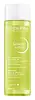 Key Ingredients
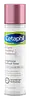
Benefits
Concerns
Ingredients Side-by-side
Water
Skin ConditioningPEG-11 Methyl Ether Dimethicone
Emulsifying
Butylene Glycol
Humectant

Glycerin
Humectant
Fomes Officinalis Extract
Skin ProtectingCapryloyl Glycine
CleansingPolysorbate 20
Emulsifying
Sodium Citrate
BufferingZinc Gluconate
Skin Conditioning



Salicylic Acid
Masking






Sodium Hydroxide
BufferingMannitol
Humectant
Sodium Metabisulfite
Antioxidant
Xylitol
Humectant
Rhamnose
HumectantPyridoxine Hcl
Skin ConditioningPropyl Gallate
Antioxidant

PEG-40 Hydrogenated Castor Oil
Emulsifying
Fructooligosaccharides
Humectant
Phenoxyethanol
Preservative
Parfum
Masking
Water, PEG-11 Methyl Ether Dimethicone, Butylene Glycol, Glycerin, Fomes Officinalis Extract, Capryloyl Glycine, Polysorbate 20, Sodium Citrate, Zinc Gluconate, Salicylic Acid, Sodium Hydroxide, Mannitol, Sodium Metabisulfite, Xylitol, Rhamnose, Pyridoxine Hcl, Propyl Gallate, PEG-40 Hydrogenated Castor Oil, Fructooligosaccharides, Phenoxyethanol, Parfum
Water
Skin ConditioningButylene Glycol
Humectant
Niacinamide
Smoothing




Glycerin
Humectant
1,2-Hexanediol
Skin Conditioning
Anhydroxylitol
Humectant
Citric Acid
Buffering
Ethylhexylglycerin
Skin ConditioningHydrolyzed Cicer Seed Extract
Skin ProtectingPancratium Maritimum Extract
BleachingRhododendron Chrysanthum Leaf Extract
MaskingSodium Citrate
BufferingTocopherol
Antioxidant
Tricholoma Matsutake Extract
Skin ConditioningTrisodium Ethylenediamine Disuccinate
Xylitol
Humectant
Xylitylglucoside
Humectant
Water, Butylene Glycol, Niacinamide, Glycerin, 1,2-Hexanediol, Anhydroxylitol, Citric Acid, Ethylhexylglycerin, Hydrolyzed Cicer Seed Extract, Pancratium Maritimum Extract, Rhododendron Chrysanthum Leaf Extract, Sodium Citrate, Tocopherol, Tricholoma Matsutake Extract, Trisodium Ethylenediamine Disuccinate, Xylitol, Xylitylglucoside
Reviews
Ingredients Explained
These ingredients are found in both products.
Ingredients higher up in an ingredient list are typically present in a larger amount.
Butylene Glycol (or BG) is used within cosmetic products for a few different reasons:
Overall, Butylene Glycol is a safe and well-rounded ingredient that works well with other ingredients.
Though this ingredient works well with most skin types, some people with sensitive skin may experience a reaction such as allergic rashes, closed comedones, or itchiness.
Learn more about Butylene GlycolGlycerin (or glycerol) is a compound naturally found in your skin. It's a powerhouse humectant that pulls water into the stratum corneum.
Topically, glycerin does several things at once:
Your skin makes glycerin on its own (mostly from sebaceous oil breakdown) and shuttles it to your outermost layer of skin, or your epidermis, via aquaporin-3.
Aquaporin-3 is a transporter that is essential for normal skin hydration, elasticity, and repair. Interestingly, mice lacking in AQP3 have dry and less elastic skin that can be fully corrected with glycerin.
This ingredient is non-irritating, plays well with almost every ingredient, and works across all skin types. Typical use is anywhere between 3-10% but can go up to 79% in some leave-on products.
Just know very high concentrations (>40%) can feel tacky in low humidity.
Glycerin is the name for this ingredient in American English. British English uses Glycerol/Glycerine.
Learn more about GlycerinSodium Citrate is the sodium salts of citric acid. In skincare, it is used to alter pH levels and acts as a preservative.
Its main functions are to maintain the pH of a product and neutralize metal ions.
The acidity of our skin is maintained by our glands and skin biome; normal pH level of skin is slightly acidic (~4.75-5.5).
Being slightly acidic allows our skin to create an "acid mantle". This acid mantle is a thin barrier that protects our skin from bacteria and contaminants.
Learn more about Sodium CitrateWater. It's the most common cosmetic ingredient of all. You'll usually see it at the top of ingredient lists, meaning that it makes up the largest part of the product.
So why is it so popular? Water most often acts as a solvent - this means that it helps dissolve other ingredients into the formulation.
You'll also recognize water as that liquid we all need to stay alive. If you see this, drink a glass of water. Remember to stay hydrated!
Learn more about WaterXylitol is a humectant and prebiotic. It can help with dry skin.
In studies, xylitol has been shown to improve dry skin. It decreased transepidermal water loss, or when water passes through the skin and evaporates. Xylitol also showed to help improve the biomechanical properties of the skin barrier.
The prebiotic property of xylitol may also help reinforce our skin's natural microbiome. Having a healthy microbiome prevents infection by bad bacteria and helps with hydration.
As a humectant, Xylitol helps draw moisture from both the air and from deeper skin layers. This helps keep skin hydrated.
Xylitol is a sugar alcohol and commonly used as a sugar substitute. It is naturally occurring in plants such as strawberries and pumpkin.
Learn more about Xylitol
