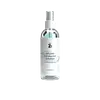
This acne essence is formulated around Copper Gluconate and Zinc Gluconate to clear breakouts and fade the look of dark spots.
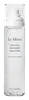
This hydrating treatment is formulated around Glycine and Copper Gluconate to hydrate skin and fade the look of dark spots.

What's inside
What's inside
 Key Ingredients
Benefits
Ingredients Side-by-side

Water
Skin ConditioningGlycine
Buffering
Calcium Chloride
AstringentSerine
Masking
Oligopeptide-22
Skin Conditioning
Copper Gluconate
Skin Conditioning
Potassium Chloride
Alanine
Masking
Magnesium Aspartate
Skin ConditioningGlucose
Humectant
Proline
Skin Conditioning
Arginine
Masking
Magnesium Chloride
Zinc Gluconate
Skin Conditioning



Lysine
Skin ConditioningCitric Acid
Buffering


Sodium Citrate
BufferingSodium Acetate
BufferingThreonine
Glutamic Acid
Humectant
Sodium PCA
Humectant
Sorbitol
Humectant
Propanediol
Solvent
Sodium Chloride
MaskingZinc Acetate
AntimicrobialPentylene Glycol
Skin Conditioning
Caprylyl Glycol
Emollient
Ethylhexylglycerin
Skin ConditioningWater, Glycine, Calcium Chloride, Serine, Oligopeptide-22, Copper Gluconate, Potassium Chloride, Alanine, Magnesium Aspartate, Glucose, Proline, Arginine, Magnesium Chloride, Zinc Gluconate, Lysine, Citric Acid, Sodium Citrate, Sodium Acetate, Threonine, Glutamic Acid, Sodium PCA, Sorbitol, Propanediol, Sodium Chloride, Zinc Acetate, Pentylene Glycol, Caprylyl Glycol, Ethylhexylglycerin
Reviews
Ingredients Explained
These ingredients are found in both products.
Ingredients higher up in an ingredient list are typically present in a larger amount.
This ingredient is a copper salt known for its wound healing properties.
Our bodies use copper to help stabilize our skin's collagen and elastin. Its also an essential for superoxide dismutase, an enzyme with strong antioxidant properties.
Copper has wound healing properties due to its role in creating new blood vessels and tissue repair.
Learn more about Copper GluconateEthylhexylglycerin is created from glycerin. It is a multitasker ingredient that:
The CIR Expert Panel found minimal skin absorption or sensitization of any kind in a safety assessment. Though this ingredient is considered well-tolerated, a small number of cases of allergic dermatitis have been published since 2002. Just be sure to patch test if you are unsure.
Industry-reported use ranges from 8% in rinse-off products and 2% in leave-on formulations.
Learn more about EthylhexylglycerinMagnesium chloride is a mineral salt made from magnesium and chloride. It is mainly used to control product stability and texture in cosmetics.
This ingredient can also play a role in soothing the skin and supporting normal skin function.
Magnesium chloride is water-soluble, generally well tolerated, and does not act as a strong “active” ingredient on its own.
Learn more about Magnesium ChlorideWater. It's the most common cosmetic ingredient of all. You'll usually see it at the top of ingredient lists, meaning that it makes up the largest part of the product.
So why is it so popular? Water most often acts as a solvent - this means that it helps dissolve other ingredients into the formulation.
You'll also recognize water as that liquid we all need to stay alive. If you see this, drink a glass of water. Remember to stay hydrated!
Learn more about WaterZinc gluconate has antibacterial and wound healing properties. It is particularly effective against fighting inflammatory acne.
This ingredient is the zinc salt of the PHA gluconic acid. PHAs are gentle cousins to AHAs.


