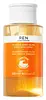
This smoothing toner is formulated around Lactic Acid and Potassium Azeloyl Diglycinate to refine skin texture and brighten dull-looking skin.
This smoothing toner is formulated around Glycolic Acid and Mandelic Acid to refine skin texture and brighten dull-looking skin.


What's inside
What's inside
 Key Ingredients
Benefits
Concerns
Ingredients Side-by-side
Water
Skin ConditioningSodium Lactate
Buffering
Lactic Acid
Buffering










Heptyl Glucoside
SurfactantPotassium Azeloyl Diglycinate
Skin Conditioning


Triethyl Citrate
Masking

Glyceryl Caprylate
EmollientSalix Nigra Bark Extract
Skin ProtectingBenzoic Acid
Masking
Citrus Nobilis Peel Oil
Masking
Citrus Aurantium Dulcis Flower Oil
Astringent
Citrus Grandis Peel Oil
Masking

Citrus Tangerina Peel Oil
Masking
Heptanol
Perfuming
Parfum
Masking
Limonene
Perfuming
Water, Sodium Lactate, Lactic Acid, Heptyl Glucoside, Potassium Azeloyl Diglycinate, Triethyl Citrate, Glyceryl Caprylate, Salix Nigra Bark Extract, Benzoic Acid, Citrus Nobilis Peel Oil, Citrus Aurantium Dulcis Flower Oil, Citrus Grandis Peel Oil, Citrus Tangerina Peel Oil, Heptanol, Parfum, Limonene




Reviews
Alternatives
Ingredients Explained
These ingredients are found in both products.
Ingredients higher up in an ingredient list are typically present in a larger amount.
Glyceryl Caprylate comes from glycerin and caprylic acid. It is an emollient, co-emulsifier, and preservative booster.
Its short C8 fatty acid chain makes it behave differently from its longer-chain emollient cousins like Glyceryl Stearate. It feels more lightweight, fast-absorbing, and silky instead of rich and waxy.
As a co-emulsifier, its "head" and "tail" sit at the oil-water interface. But overall, the short C8 tail and not being water soluble means it doesn't really have the muscle to emulsify a formula on its own. That's why you'll often see it paired with a primary emulsifier like Cetearyl Glucoside.
Interestingly, Glyceryl Caprylate acts as a preservative booster. This is because its fatty-acid backbone disrupts microbial lipid membranes. It shows excellent activity against bacteria and yeast but is weaker against mold.
Typical concentrations range from 0.5-1% and this ingredient is generally non-irritating.
Because this ingredient has a C8 fatty acid chain, it is outside the range that the Malassezia yeast metabolizes (making it fungal acne safe).
Learn more about Glyceryl CaprylateWater. It's the most common cosmetic ingredient of all. You'll usually see it at the top of ingredient lists, meaning that it makes up the largest part of the product.
So why is it so popular? Water most often acts as a solvent - this means that it helps dissolve other ingredients into the formulation.
You'll also recognize water as that liquid we all need to stay alive. If you see this, drink a glass of water. Remember to stay hydrated!
Learn more about Water

