
What's inside
What's inside
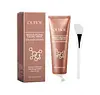 Key Ingredients
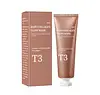
No key ingredients
Benefits
Ingredients Side-by-side
Hydrolyzed Collagen
Emollient

Hydrolyzed Elastin
EmollientAcetyl Hexapeptide-8
Humectant
Glutathione



Sodium Hyaluronate
Humectant

Polyvinyl Alcohol
Phenoxyethanol
Preservative
Glycerin
Humectant
Oryza Sativa Extract
Absorbent
Prunus Amygdalus Dulcis Fruit Extract
Skin ConditioningTremella Fuciformis Extract
Humectant
Gardenia Florida Fruit Extract
Skin ConditioningCamellia Sinensis Leaf Extract
Antimicrobial


Morinda Citrifolia Fruit Extract
Skin Conditioning
Acanthopanax Senticosus Root Extract
Skin ConditioningCalcium Gluconate
HumectantDextrin
AbsorbentHydrogenated Polyisobutene
EmollientCyanocobalamin
Skin ConditioningTocopherol
Antioxidant
Hydrolyzed Collagen, Hydrolyzed Elastin, Acetyl Hexapeptide-8, Glutathione, Sodium Hyaluronate, Polyvinyl Alcohol, Phenoxyethanol, Glycerin, Oryza Sativa Extract, Prunus Amygdalus Dulcis Fruit Extract, Tremella Fuciformis Extract, Gardenia Florida Fruit Extract, Camellia Sinensis Leaf Extract, Morinda Citrifolia Fruit Extract, Acanthopanax Senticosus Root Extract, Calcium Gluconate, Dextrin, Hydrogenated Polyisobutene, Cyanocobalamin, Tocopherol
Ingredients Explained
These ingredients are found in both products.
Ingredients higher up in an ingredient list are typically present in a larger amount.
Glycerin (or glycerol) is a compound naturally found in your skin. It's a powerhouse humectant that pulls water into the stratum corneum.
Topically, glycerin does several things at once:
Your skin makes glycerin on its own (mostly from sebaceous oil breakdown) and shuttles it to your outermost layer of skin, or your epidermis, via aquaporin-3.
Aquaporin-3 is a transporter that is essential for normal skin hydration, elasticity, and repair. Interestingly, mice lacking in AQP3 have dry and less elastic skin that can be fully corrected with glycerin.
This ingredient is non-irritating, plays well with almost every ingredient, and works across all skin types. Typical use is anywhere between 3-10% but can go up to 79% in some leave-on products.
Just know very high concentrations (>40%) can feel tacky in low humidity.
Glycerin is the name for this ingredient in American English. British English uses Glycerol/Glycerine.
Learn more about GlycerinHydrolyzed Collagen is Collagen (usually sourced from fish, bovine, or porcine byproducts) that's been broken down into smaller peptides. This makes it water-soluble and easy to blend into formulations.
In a formula, it works mainly as a skin-conditioning and moisturizing agent.
The small peptides and amino acids (including Natural Moisturizing Factor components like Hydroxyproline, Serine, and Aspartic Acid) help the surface of the skin hold onto water, feel softer, and look temporarily plumper.
This ingredient also has mild film-forming and antioxidant properties with research showing the antioxidant effect is stronger the lower the molecular weight of the peptides.
It's worth being realistic here:
Topically applied Hydrolyzed Collagen conditions the upper layers of skin rather than rebuilding the structural collagen deep in your dermis (the wrinkle-and-firmness benefits people associate with Collagen mostly come from oral supplements in studies, not topicals).
However, recent lab and skin-model work on Hydrolyzed Fish Collagen has shown promising effects on cell viability and wound healing when used as an active.
Typical concentrations range from 0.2-2%, but the percentage can go much higher in rinse-off or hair products (sometimes even above 50%).
Clinical studies on this ingredient showed no irritation, sensitization, or phototoxicity.
If you are looking for vegan collagen, it usually goes by a different INCI name like hydrolyzed soy protein. Vegan collagen is derived from yeast, bacteria, or plant sources.
The results are varied.
A study from 2021 found hydrolyzed collagen increased elasticity and improved wrinkles in 1,125 participants between age 20 and 70. Another study found increased skin thickness in participants between the ages of 45 to 59.
However, It is difficult to prove that oral collagen will end up working on your skin. Many of the studies using hydrolyzed collagen also add several vitamins and nutrients into the test mixture as well.
Further studies are needed at this time.
Learn more about Hydrolyzed Collagen

