
What's inside
What's inside
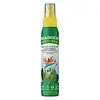 Benefits
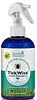
Concerns
Ingredients Side-by-side
















Ingredients Explained
These ingredients are found in both products.
Ingredients higher up in an ingredient list are typically present in a larger amount.
This ingredient is also known as citronella oil. It has a fresh, lemony, and slightly herbal scent.
Citronella oil is rich in citronellal, geraniol, citronellol and contains small amounts of limonene and methyl isoeugenol. These components are known EU allergens and may cause skin sensitization. Undiluted citronella oil is classified as a skin and eye irritant.
Unlike other citrus peel oils, this ingredient does not cause phototoxicity.
Learn more about Cymbopogon Nardus OilCymbopogon Schoenanthus Oil is also known as lemongrass oil. It is used as a fragrance in cosmetics.
Major components of Lemongrass include limonene and citral. These are known EU allergens and may cause an allergic reaction and skin sensitivity.
Lemongrass oil is being researched for its antibacterial properties.
This is the volatile oil created from the steam distillation of fresh Lemon Grass, Cymbopogon schoenanthus (L.), Poaceae. Lemongrass is native to South Asia and Northern Africa. It is commonly used to make tea.
Learn more about Cymbopogon Schoenanthus OilJuniperus Virginiana Oil is the volatile oil obtained from the fruits and leaves of the Red Cedar tree. This tree is native to North America.
This essential oil is steam-distilled from peppermint leaves, also known as peppermint oil. It's mainly used for scent in skincare but also provides that signature "cooling" sensation.
Peppermint oil is a "feels amazing" ingredient until it doesn't.
At higher doses or for those with sensitive skin, methol-type cooling can quickly turn into burning/irritation. It can also trigger irritant dermatitis or even allergic contact dermatitis. In a large patch-test dataset, peppermint oil had a low but positive rate for this.
In cosmetics, Cosmetic Safety Reviews (CIR) concludes that peppermint oil is safe to use when formulated to be non-sensitizing with some restrictions; for instance, pulegone, a naturally occurring component of peppermint oil, should not exceed 1%.
Since peppermint oil contains fragrance allergens such as limonene, linalool, and menthol, it can be sensitizing for those with rosacea, eczema, a broken skin barrier, or just sensitive skin in general.
In Japan, this ingredient is known as Hakka Yu.
Learn more about Mentha Piperita OilPelargonium Graveolens Flower Oil is the pressed oil of the Rose Geranium plant. It is volatile, meaning it evaporates off the skin.
Fragrant components of Rose Geranium include citronellol and geraniol. These may cause allergies and skin-sensitivity. We recommend speaking with a professional if you have any concerns.
The scent of Rose Geranium closely resembles traditional roses.
Learn more about Pelargonium Graveolens Flower OilRosmarinus Officinalis Leaf Oil is an essential oil also known as rosemary essential oil. In skincare, it is a skin conditioning agent and also acts as a natural fragrance that gives products a fresh/herby smell.
The oil is a mix of over 100 volatile compounds with 1,8-cineole, α-pinene, camphor, and verbenone usually leading the pack.
Lab studies credit this oil with antioxidant, anti-inflammatory, and antimicrobial activity. Some research even show rosemary compounds calming acne-related inflammation.
The Cosmetic Ingredient Review (CIR) has concluded rosemary-derived ingredients to be safe when formulated to be nonsensitizing.
Since this is a fragrant essential oil, the main concern is for fragrance-sensitive folks.
Learn more about Rosmarinus Officinalis Leaf OilWater. It's the most common cosmetic ingredient of all. You'll usually see it at the top of ingredient lists, meaning that it makes up the largest part of the product.
So why is it so popular? Water most often acts as a solvent - this means that it helps dissolve other ingredients into the formulation.
You'll also recognize water as that liquid we all need to stay alive. If you see this, drink a glass of water. Remember to stay hydrated!
Learn more about Water

