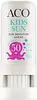
This hybrid sunscreen covers the full UV range and blocks ~98% of UVB at SPF 50.
This sunscreen offers SPF 50 protection with a matte finish that helps control shine.


What's inside
What's inside
 Key Ingredients
Benefits
Concerns
No concerns
Ingredients Side-by-side
Petrolatum
Emollient



PPG-3 Benzyl Ether Myristate
EmollientOzokerite
Emulsion StabilisingCetearyl Alcohol
Emollient





Diethylamino Hydroxybenzoyl Hexyl Benzoate
UV Filter
Bis-Ethylhexyloxyphenol Methoxyphenyl Triazine
UV Absorber
Canola Oil
Emollient
Ethylhexyl Salicylate
UV Absorber
Titanium Dioxide
Cosmetic Colorant
Ethylhexyl Triazone
UV Absorber
Copernicia Cerifera Cera
Emollient
Tocopheryl Acetate
Antioxidant


Silica
Abrasive


Butyl Methoxydibenzoylmethane
UV Absorber
Petrolatum, PPG-3 Benzyl Ether Myristate, Ozokerite, Cetearyl Alcohol, Diethylamino Hydroxybenzoyl Hexyl Benzoate, Bis-Ethylhexyloxyphenol Methoxyphenyl Triazine, Canola Oil, Ethylhexyl Salicylate, Titanium Dioxide, Ethylhexyl Triazone, Copernicia Cerifera Cera, Tocopheryl Acetate, Silica, Butyl Methoxydibenzoylmethane





Reviews
Ingredients Explained
These ingredients are found in both products.
Ingredients higher up in an ingredient list are typically present in a larger amount.
Silica, also known as silicon dioxide, is a naturally occurring mineral. It is used as a fine, spherical, and porous powder in cosmetics.
Though it has exfoliant properties, the function of silica varies depending on the product.
The unique structure of silica enhances the spreadability and adds smoothness, making it a great texture enhancer.
It is also used as an active carrier, emulsifier, and mattifier due to its ability to absorb excess oil.
In some products, tiny microneedles called spicules are made from silica or hydrolyzed sponge. When you rub them in, they lightly polish away dead skin layers and enhance the penetration of active ingredients.
Learn more about Silica

