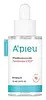
This calming ampoule is formulated around Centella Asiatica Leaf Extract and Lactobacillus Ferment Lysate to calm redness and strengthen the skin barrier.
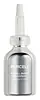
This barrier-repair ampoule is formulated around Bifida Ferment Lysate and Lactobacillus Ferment Lysate to strengthen the skin barrier and calm redness.

What's inside
What's inside
 Key Ingredients
No key ingredients
Benefits
Concerns
No concerns
Ingredients Side-by-side
Water
Skin ConditioningButylene Glycol
Humectant

1,2-Hexanediol
Skin Conditioning
Centella Asiatica Leaf Extract
Skin Conditioning


Lactobacillus Ferment Lysate
Skin Conditioning
Candida Bombicola/Glucose/Methyl Rapeseedate Ferment
AntimicrobialHelianthus Annuus Seed Oil
Emollient


Yeast Ferment Extract
Skin ConditioningMadecassoside
Antioxidant


Ethylhexylglycerin
Skin ConditioningAsiaticoside
Antioxidant
Madecassic Acid
Skin Conditioning
Dipropylene Glycol
HumectantAsiatic Acid
Skin Conditioning
Pentylene Glycol
Skin Conditioning
Xanthan Gum
EmulsifyingWater, Butylene Glycol, 1,2-Hexanediol, Centella Asiatica Leaf Extract, Lactobacillus Ferment Lysate, Candida Bombicola/Glucose/Methyl Rapeseedate Ferment, Helianthus Annuus Seed Oil, Yeast Ferment Extract, Madecassoside, Ethylhexylglycerin, Asiaticoside, Madecassic Acid, Dipropylene Glycol, Asiatic Acid, Pentylene Glycol, Xanthan Gum
Reviews
Ingredients Explained
These ingredients are found in both products.
Ingredients higher up in an ingredient list are typically present in a larger amount.
1,2-Hexanediol is a synthetic liquid and another multi-functional powerhouse.
It is a:
- Humectant, drawing moisture into the skin
- Emollient, helping to soften skin
- Solvent, dispersing and stabilizing formulas
- Preservative booster, enhancing the antimicrobial activity of other preservatives
Butylene Glycol (or BG) is used within cosmetic products for a few different reasons:
Overall, Butylene Glycol is a safe and well-rounded ingredient that works well with other ingredients.
Though this ingredient works well with most skin types, some people with sensitive skin may experience a reaction such as allergic rashes, closed comedones, or itchiness.
Learn more about Butylene GlycolEthylhexylglycerin is created from glycerin. It is a multitasker ingredient that:
The CIR Expert Panel found minimal skin absorption or sensitization of any kind in a safety assessment. Though this ingredient is considered well-tolerated, a small number of cases of allergic dermatitis have been published since 2002. Just be sure to patch test if you are unsure.
Industry-reported use ranges from 8% in rinse-off products and 2% in leave-on formulations.
Learn more about EthylhexylglycerinLactobacillus Ferment Lysate is a postbiotic with skin soothing properties. Postbiotics are inactive molecules produced by probiotic bacteria that provide skin benefits.
This ingredient comes from the secretion of the bacteria, Lactobacillus.
Studies show this ingredient can help calm redness and may help treat the signs of photoaging; however, the evidence is inconclusive and further studies are needed.
Lactobacillus Ferment is generally considered safe for fungal-acne prone skin. The key thing to understand is that it comes from bacteria, not yeast or fungus.
Yeast-derived ferments (like galactomyces) have been shown to activate a protein that's linked to Malassezia-related skin issues whereas lactobacillus doesn't have that problem.
Its byproducts also don't contain the types of fatty acids (C11-24 chain lengths) that Malassezia feeds on.
Learn more about Lactobacillus Ferment Lysate

