Nofa Acne Pore Solution
A toner with 24 ingredients, including zinc.
This acne toner is formulated around Camellia Sinensis Leaf Extract and Zinc PCA to clear breakouts and refine the look of pores.
We independently verify ingredients, backed by peer-reviewed research. Suggest an update.
What's inside
Ingredients List
Water
Skin ConditioningEcklonia Cava Extract
Skin Conditioning

Hizikia Fusiforme Extract
Skin Conditioning
Codium Tomentosum Extract
Skin ProtectingGelidium Cartilagineum Extract
Skin ProtectingNelumbo Nucifera Leaf Extract
Skin ConditioningCamellia Sinensis Leaf Extract
Antimicrobial







Psidium Guajava Leaf Extract
AstringentAngelica Gigas Extract
Skin ConditioningButylene Glycol
Humectant
1,2-Hexanediol
Skin Conditioning
Royal Jelly Extract
Skin Conditioning
Agrimonia Pilosa Extract
HumectantDendrobium Nobile Extract
Skin ConditioningMagnolia Officinalis Bark Extract
Antimicrobial
Origanum Vulgare Extract
Skin ConditioningPogostemon Cablin Leaf Extract
Perfuming
Terminalia Chebula Fruit Extract
Skin ConditioningPropanediol
Solvent
Saccharide Isomerate
Humectant
Sophora Flavescens Root Extract
Antioxidant
Zinc PCA
Humectant

Zinc Gluconate
Skin Conditioning
Zinc Hydrolyzed Hyaluronate
HumectantWater, Ecklonia Cava Extract, Hizikia Fusiforme Extract, Codium Tomentosum Extract, Gelidium Cartilagineum Extract, Nelumbo Nucifera Leaf Extract, Camellia Sinensis Leaf Extract, Psidium Guajava Leaf Extract, Angelica Gigas Extract, Butylene Glycol, 1,2-Hexanediol, Royal Jelly Extract, Agrimonia Pilosa Extract, Dendrobium Nobile Extract, Magnolia Officinalis Bark Extract, Origanum Vulgare Extract, Pogostemon Cablin Leaf Extract, Terminalia Chebula Fruit Extract, Propanediol, Saccharide Isomerate, Sophora Flavescens Root Extract, Zinc PCA, Zinc Gluconate, Zinc Hydrolyzed Hyaluronate
Key Ingredients
Benefits
Concerns
Ingredients Explained
Water. It's the most common cosmetic ingredient of all. You'll usually see it at the top of ingredient lists, meaning that it makes up the largest part of the product.
So why is it so popular? Water most often acts as a solvent - this means that it helps dissolve other ingredients into the formulation.
You'll also recognize water as that liquid we all need to stay alive. If you see this, drink a glass of water. Remember to stay hydrated!
Learn more about WaterEcklonia Cava Extract can be bad for acne prone skin.
Hizikia fusiforme extract comes from the brown seaweed known as hijiki. It has skin conditioning properties.
Hijiki is rich in minerals and polysaccharides, making it a great moisturizer.
We don't have a description for Codium Tomentosum Extract yet.
We don't have a description for Gelidium Cartilagineum Extract yet.
This ingredient comes from the leaves of the lotus plant. It has skin conditioning properties.
Research shows lotus leaf contains antioxidants that help protect skin from things like UV exposure and pollution. In animal studies, this ingredient has been shown to help calm inflammation and reduce excess melanin production.
Camellia Sinensis Leaf Extract (tea extract) is one of the most well-researched plant extracts in skincare with an impressive resume.
Black tea, green tea, and oolong tea are all harvested from the Camellia Sinensis plant.
Studies show green tea extract and its catechins (like epigallocatechin gallate (EGCG)) help your skin cells product energy more efficiently and reducing the number of free-radicals that can damage your skin from the inside.
In lab-grown skin models, this translated to younger, healthier, and stronger skin.
There's also good sun protection data; researchers saw less DNA damage and redness on human skin when green tea was applied before UVB exposure. And the more they applied, the better the protection.
Needless to say, this ingredient shouldn't replace your sunscreen. But it is a great supportive ingredient that you can already find in many sunscreens and antioxidant serums.
A 2009 study found a 2% green tea lotion was effective for mild-to-moderate acne thanks to its anti-inflammatory and mild antimicrobial activity.
The quality of the extract matters a lot here:
Good extracts contain 50-90% catechins while lower quality ones are mostly there for marketing. We recommend reaching out to the brand if you have questions about the quality or source of their ingredients.
Human Repeated Insult Patch Testing showed no irritation or sensitization at use concentrations (0.86% in leave-on products and up to 30% as leaf water).
Learn more about Camellia Sinensis Leaf ExtractWe don't have a description for Psidium Guajava Leaf Extract yet.
We don't have a description for Angelica Gigas Extract yet.
Butylene Glycol (or BG) is used within cosmetic products for a few different reasons:
Overall, Butylene Glycol is a safe and well-rounded ingredient that works well with other ingredients.
Though this ingredient works well with most skin types, some people with sensitive skin may experience a reaction such as allergic rashes, closed comedones, or itchiness.
Learn more about Butylene Glycol1,2-Hexanediol is a synthetic liquid and another multi-functional powerhouse.
It is a:
- Humectant, drawing moisture into the skin
- Emollient, helping to soften skin
- Solvent, dispersing and stabilizing formulas
- Preservative booster, enhancing the antimicrobial activity of other preservatives
Royal Jelly Extract comes from a secretion made by worker honeybees. This secretion is white and described as creamy.
This compound has antibacterial, anti-aging, and anti-inflammatory properties.
Studies show Royal Jelly to contain amino acids, fatty acids, and a variety of vitamins, including Vitamin Bs. Many of these components are antioxidants, which help with anti-aging. The fatty acids in Royal Jelly make it a hydrating ingredient.
Several animal studies show Royal Jelly to boost collagen production and reduce inflammation.
The Vitamin Bs found in Royal Jelly include:
Royal Jelly is derived from honeybees. This means it is not vegan.
Learn more about Royal Jelly ExtractWe don't have a description for Agrimonia Pilosa Extract yet.
We don't have a description for Dendrobium Nobile Extract yet.
Magnolia Officinalis Bark Extract can help to reduce redness.
We don't have a description for Origanum Vulgare Extract yet.
Pogostemon Cablin Leaf Extract is a fragrance.
We don't have a description for Terminalia Chebula Fruit Extract yet.
Propanediol is an all-star ingredient. It softens, hydrates, and smooths the skin.
It’s often used to:
Propanediol is not likely to cause sensitivity and considered safe to use. It is derived from corn or petroleum with a clear color and no scent.
Learn more about PropanediolSaccharide Isomerate comes from sugars found in corn. It is a skin hydrator.
The structure of this ingredient can be altered to be more similar to the carbohydrates found in our skin. This ability to mimic our skin gives it hydrating properties.
Specifically, saccharide Isomerate is a humectant. Humectants draw moisture from the air to our skin.
Research shows Saccharide Isomerate to be an effective moisturizer.
Learn more about Saccharide IsomerateSophora Flavescens Root Extract is an antioxidant. It can help to reduce redness.
Zinc PCA is a clever two-in-one molecule: the zinc salt of pyrrolidone carboxylic acid (PCA).
Think of it as two useful things bonded together; the PCA half is one of your skin's own natural moisturizing factors (NMF) so it helps hold water in the upper layers. On the other hand, the zinc half does the heavy lifting on oil and bacteria.
The zinc part slows down an enzyme that turns testosterone into DHT, the hormone that tells your oil glands to pump out more sebum. Less of that signal means less oil. It also gently fights acne-causing bacteria and soothes redness/irritation.
This is why Zinc PCA often shows up in products for oily, breakout-prone skin and greasy scalps.
One lab study also hinted it might have a small anti-aging perk because it seemed to protect collagen from UVA damage and even helped the skin make a bit more of it. That last bit is still early research done in a dish and not real skin, so take it as a nice bonus rather than a promise for now.
As for scar healing, the picture is more "maybe" than a firm yes. Zinc itself plays a real role in wound repair because it is a cofactor for the enzymes involved in collagen building, calming inflammation, and helping new skin cells cover a wound. Lower zinc levels are also linked to slower healing.
Most of the scar healing research is on zinc oxide or oral zinc rather than zinc PCA specifically, with a focus on healing fresh wounds instead of scars that are already there.
Direct evidence that zinc PCA improves the look of established scars is still limited at this time. Though it would be fair to say zinc PCA supports the general skin-repair environment thanks to its zinc content .
This ingredient is water-soluble and plays nicely with other actives like niacinamide and salicylic acid. It works best at mildly acidic formulas (~4-6 pH) and is effective at low levels. Around 0.1% is enough to be active and finished products commonly use it anywhere up to 4%.
Overall, this is a well-tolerated, low-drama multitasker that suits oily and acne-prone skin.
Learn more about Zinc PCAZinc gluconate has antibacterial and wound healing properties. It is particularly effective against fighting inflammatory acne.
This ingredient is the zinc salt of the PHA gluconic acid. PHAs are gentle cousins to AHAs.
We don't have a description for Zinc Hydrolyzed Hyaluronate yet.
Reviews
No written reviews yet. Be the first to review this product.
Recent searches
Search reviews by skin type, ingredient, or keyword.
Where it's from
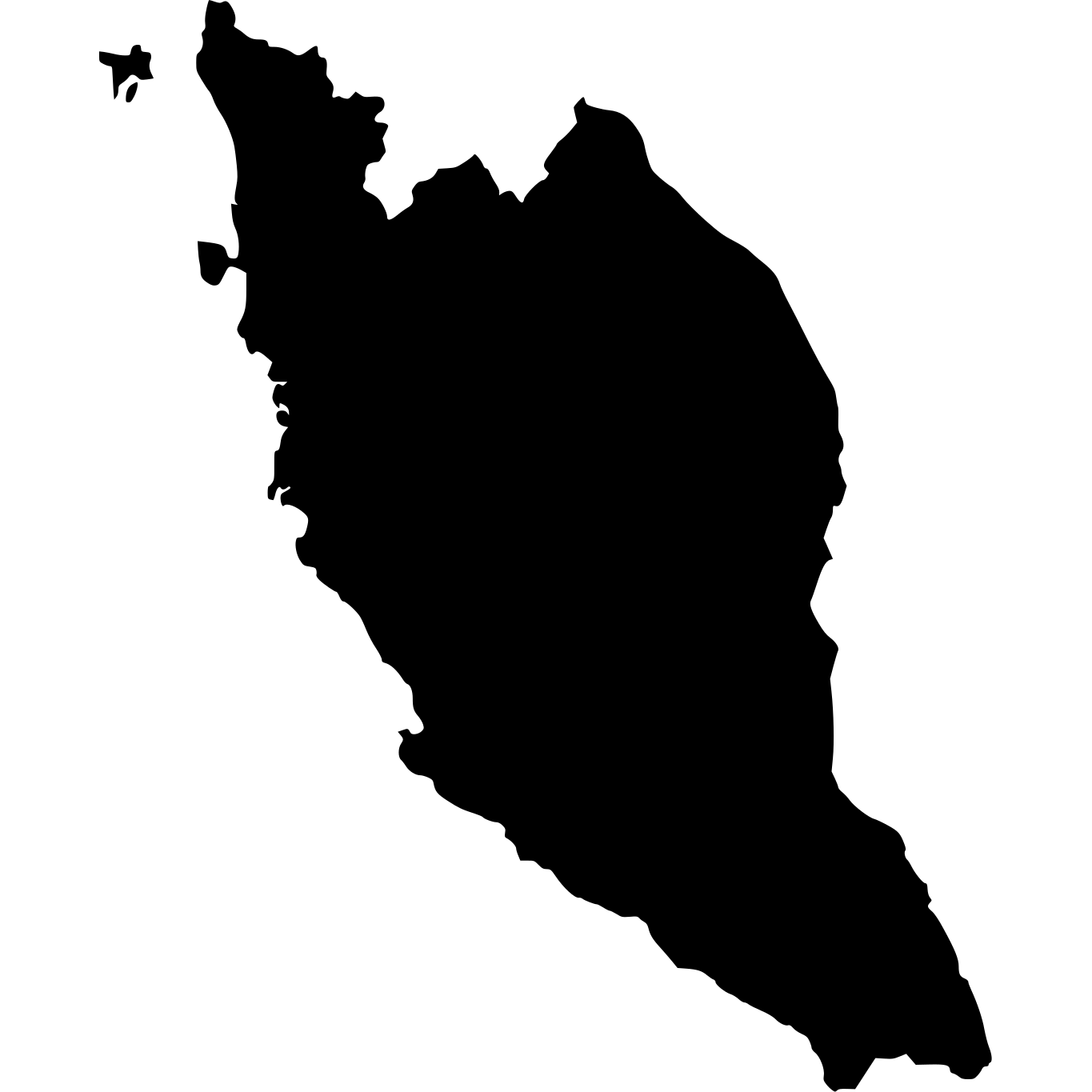
Nofa is a Malaysian brand
Often compared with

We're dedicated to providing you with the most up-to-date and science-backed ingredient info out there.
The data we've presented on this page has been verified by a member of the SkinSort Team.
Read more about us· Updated May 19, 2026 • Added by izzahathirah


