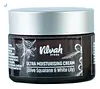
This moisturizer is formulated around Squalene and Lycium Barbarum Fruit Extract to hydrate skin.
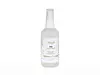
This smoothing toner is formulated around Oryza Sativa Extract and Glycolic Acid to refine skin texture and brighten dull-looking skin.

What's inside
What's inside
 Key Ingredients
Benefits
Concerns
Ingredients Side-by-side
Water
Skin ConditioningGlycerin
Humectant


Caprylic/Capric Triglyceride
Masking
Squalene
Emollient

Isodecyl Neopentanoate
EmollientPhyllostachys Bambusoides Rhizome Extract
Skin ConditioningLycium Barbarum Fruit Extract
Astringent
Sophora Flavescens Root Extract
Antioxidant

Pyracantha Fortuneana Fruit Extract
Skin ConditioningDipalmitoyl Hydroxyproline
Skin Conditioning
Xylitylglucoside
Humectant
Anhydroxylitol
Humectant
Polyglyceryl-2 Oleate
Emulsifying
Sodium Benzoate
Masking
Potassium Sorbate
Preservative
Cinnamomum Camphora Bark Oil
Masking
Water, Glycerin, Caprylic/Capric Triglyceride, Squalene, Isodecyl Neopentanoate, Phyllostachys Bambusoides Rhizome Extract, Lycium Barbarum Fruit Extract, Sophora Flavescens Root Extract, Pyracantha Fortuneana Fruit Extract, Dipalmitoyl Hydroxyproline, Xylitylglucoside, Anhydroxylitol, Polyglyceryl-2 Oleate, Sodium Benzoate, Potassium Sorbate, Cinnamomum Camphora Bark Oil











Ingredients Explained
These ingredients are found in both products.
Ingredients higher up in an ingredient list are typically present in a larger amount.
This ingredient is created from dehydrating xylitol in acidic conditions. Xylitol is a famous sugar and humectant.
Much like its predecessor, anhydroxylitol is a humectant. Humectants attract and hold water to moisturize the skin.
This ingredient is most commonly found in a popular trio called Aquaxyl. Aquaxyl is made up of anhydroxylitol (24 - 34%), xylitylglucoside (35 - 50%), and xylitol (5 - 15%).
According to a manufacturer, Aquaxyl is known for a 3-D hydration concept and an anti-dehydration shield to reinforce the outer layer of skin.
This ingredient is often derived from plants such as wood and sugarcane.
Learn more about AnhydroxylitolGlycerin (or glycerol) is a compound naturally found in your skin. It's a powerhouse humectant that pulls water into the stratum corneum.
Topically, glycerin does several things at once:
Your skin makes glycerin on its own (mostly from sebaceous oil breakdown) and shuttles it to your outermost layer of skin, or your epidermis, via aquaporin-3.
Aquaporin-3 is a transporter that is essential for normal skin hydration, elasticity, and repair. Interestingly, mice lacking in AQP3 have dry and less elastic skin that can be fully corrected with glycerin.
This ingredient is non-irritating, plays well with almost every ingredient, and works across all skin types. Typical use is anywhere between 3-10% but can go up to 79% in some leave-on products.
Just know very high concentrations (>40%) can feel tacky in low humidity.
Glycerin is the name for this ingredient in American English. British English uses Glycerol/Glycerine.
Learn more about GlycerinWater. It's the most common cosmetic ingredient of all. You'll usually see it at the top of ingredient lists, meaning that it makes up the largest part of the product.
So why is it so popular? Water most often acts as a solvent - this means that it helps dissolve other ingredients into the formulation.
You'll also recognize water as that liquid we all need to stay alive. If you see this, drink a glass of water. Remember to stay hydrated!
Learn more about WaterXylitylglucoside is created from xylitol and glucose, two humectants.
Not surprisingly, this ingredient is also a humectant. It attracts and holds water in your skin, helping to maintain hydration.
This ingredient is most commonly found in a popular trio called Aquaxyl. Aquaxyl is made up of anhydroxylitol(24 - 34%), xylitylglucoside (35 - 50%), and xylitol (5 - 15%).
According to a manufacturer, Aquaxyl is known for a 3-D hydration concept and an anti-dehydration shield to reinforce the outer layer of skin.
Learn more about Xylitylglucoside

