

What's inside
What's inside
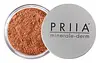 Key Ingredients
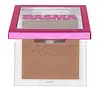
No key ingredients
Benefits
Ingredients Side-by-side





Mica
Cosmetic ColorantZinc Stearate
Cosmetic ColorantSilica
Abrasive


Distarch Phosphate
AbsorbentIsononyl Isononanoate
EmollientLauroyl Lysine
Skin Conditioning
Zea Mays Starch
Absorbent
Octyldodecanol
Emollient
Polyvinyl Alcohol
1,2-Hexanediol
Skin Conditioning
Caprylyl Glycol
Emollient
Glycerin
Humectant

Hydrogenated Styrene/Isoprene Copolymer
Tin Oxide
Abrasive
Pentaerythrityl Tetra-Di-T-Butyl Hydroxyhydrocinnamate
Antioxidant
CI 77891
Cosmetic ColorantCI 77492
Cosmetic ColorantCI 77491
Cosmetic ColorantCI 77499
Cosmetic ColorantMica, Zinc Stearate, Silica, Distarch Phosphate, Isononyl Isononanoate, Lauroyl Lysine, Zea Mays Starch, Octyldodecanol, Polyvinyl Alcohol, 1,2-Hexanediol, Caprylyl Glycol, Glycerin, Hydrogenated Styrene/Isoprene Copolymer, Tin Oxide, Pentaerythrityl Tetra-Di-T-Butyl Hydroxyhydrocinnamate, CI 77891, CI 77492, CI 77491, CI 77499
Ingredients Explained
These ingredients are found in both products.
Ingredients higher up in an ingredient list are typically present in a larger amount.
Ci 77891 is a white pigment from Titanium dioxide. It is naturally found in minerals such as rutile and ilmenite.
It's main function is to add a white color to cosmetics. It can also be mixed with other colors to create different shades.
Ci 77891 is commonly found in sunscreens due to its ability to block UV rays.
Learn more about CI 77891Mica is a naturally occurring mineral used to add shimmer and color in cosmetics. It can also help improve the texture of a product or give it an opaque, white/silver color.
Serecite is the name for very fine but ragged grains of mica.
This ingredient is often coated with metal oxides like titanium dioxide. Trace amounts of heavy metals may be found in mica, but these metals are not harmful in our personal products.
Mica has been used since prehistoric times throughout the world. Ancient Egyptian, Indian, Greek, Roman, Aztec, and Chinese civilizations have used mica.
Learn more about Mica

