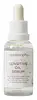
This calming serum is formulated around Avena Sativa Kernel Oil to calm redness and strengthen the skin barrier.
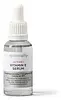
This barrier-repair serum is formulated around Tocopheryl Acetate and Tocopherol to strengthen the skin barrier and hydrate skin.

What's inside
What's inside
 Key Ingredients
Benefits
Concerns
Ingredients Side-by-side
















Ingredients Explained
These ingredients are found in both products.
Ingredients higher up in an ingredient list are typically present in a larger amount.
Canola Oil is a plant-oil and low-erucic-acid variety of rapeseed. Like other seed oils, it functions as an emollient that softens skin and slows water loss.
Its fatty acid profile is mostly linoleic acid (55-65%) with some oleic, palmitic, and stearic acids. There are also some small amounts of vitamin E and plant sterols.
The sterol content is pretty interesting:
In a controlled human study, a single application of canola oil and especially its sterol-enriched fraction reduced visible irritation, redness, and water loss caused by SLS. Plain canola oil and most other tested oils did little on healthy, un-irritated skin.
It's pretty much just a calm, moisturizing oil that helps with soothing if your skin is already irritated.
Fun fact: Canadian growers bred the low-erucic variety in the 1970's, and the name stands for "Canadian oil, Low Acid").
Since canola oil is made up of C18 fatty acids, it may not be fungal acne safe. The Malassezia yeast feeds on chain lengths C11-24.
This ingredient shows up on a lot of "pore-clogging" lists but there's no real evidence behind that. It doesn't even have a comedogenic rating from an actual study; the numbers you'll find online come from blogs citing other blogs.
Some people still find it breaks them out. So if that's you, definitely trust your skin.
Learn more about Canola OilWe don't have a description for Hydrogenated Ethylhexyl Olivate yet.
Hydrogenated Olive Oil Unsaponifiables are the "leftover" part of olive oil after the fatty acids get turned into soap.
Most of what's left behind is a concentrated blend of squalene, phytosterols, and vitamin E.
Squalene is pretty cool because it's already naturally found in our skin and makes up about 13% of sebum. This makes it a great moisturizing and skin-barrier-supporting ingredient.
This ingredient is typically used at low concentrations (~1-3%) and occasionally up to 25% when acting as the main ingredient in a formula.
Fungal acne note: Though this ingredient is largely free of fatty acid esters that feed Malassezia, it may still have some residual fatty acids depending on the purity. This is why this ingredient is marked as not fungal acne safe.
People with existing olive oil allergies should be cautious as well.
Learn more about Hydrogenated Olive Oil UnsaponifiablesTocopherol is a fat-soluble antioxidant known as Vitamin E.
You'll find this ingredient in the vast majority of skincare (for good reason). It works to neutralize free radicals, or unstable molecules generated by UV exposure, pollution, and other environmental stressors, before they can cause oxidative damage to your skin cells.
Topically applied tocopherol has been shown to protect against UV damage by ramping up the skin's own natural defense enzymes.
It also acts as a skin conditioning agent; some studies show that regular topical use can improve the skin's water-binding capacity over 2-4 weeks.
This ingredient is especially loved for being a team player. When combined with Vitamin C, the photoprotective effect of both ingredients roughly doubles and the combo also helps reduce UV-induced DNA damage.
This ingredient has some brightening potential but it's more of a prevention ingredient than spot-fader. Cell studies show it can slow down melanin production but it's worth noting that it's not the most powerful brightener out there.
In formulations, it also serves as a stabilizer that helps protect other oxidation-prone ingredients from degrading.
Concentrations usually range from 0.1-1% in most leave-on products.
Learn more about Tocopherol

