Peace Out Salicylic Acid Acne Healing Dots Versus The INKEY List Hydrocolloid Invisible Pimple Patches
This blemish patch uses Hydrocolloid to cover open blemishes and absorb the fluid they release.
This blemish patch uses Hydrocolloid to cover open blemishes and absorb the fluid they release.


What's inside
What's inside
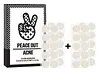 Key Ingredients
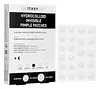
Benefits
Concerns
Ingredients Side-by-side





















Reviews
Ingredients Explained
These ingredients are found in both products.
Ingredients higher up in an ingredient list are typically present in a larger amount.
Salicylic Acid (also known as beta hydroxy acid or BHA) is a well-known ingredient for treating skin that struggles with acne and clogged pores. It exfoliates both the skin's surface and deep within the pores to help clear out buildup, control oil, and reduce inflammation.
Unlike AHAs (alpha hydroxy acids), salicylic acid is oil-soluble. This allows it to penetrate into pores which makes it especially effective for treating blackheads and preventing future breakouts.
Salicylic acid is also known for its soothing properties. It has a similar structure to aspirin and can calm inflamed or irritated skin, making it a good option for acne-prone skin that is also sensitive.
Concentrations of 0.5-2% are recognized by the U.S. FDA as an over-the-counter topical acne product.
It can cause irritation and/or dryness if one's skin already has a compromised moisture barrier, so it's best to focus on repairing that before introducing this ingredient into your routine.
While salicylic acid does not increase sun sensitivity, it’s still important to wear sunscreen daily to protect your skin.
If you are looking for the ingredient called BHA or Butylated Hydroxyanisole, click here.
Learn more about Salicylic AcidHydrocolloid is not an INCI ingredient. It's a soft, gel-forming material that got its start in hospital wound care.
A typical hydrocolloid layer is coated with a mix of gelatin, pectin, xanthan gum, carrageenan, and Sodium Carboxymethylcellulose (the parts that soak up fluid) into a sticky rubber base, and then pressed into a thin film backing.
When you stick it on an open or "popped" pimple, these polymers pull in the fluid and turn it into a gel. This helps keep the spot moist and creates a barrier against outside bacteria. Plus, there's some UV blocking as well so the spot is less likely to leave a dark mark.
The current research is small but encouraging. A 2006 study found hydrocolloid dressings on acne lesions:
A 2024 manufacturer study in 41 subjects aged 12-35 showed patches significantly improved the appearance of popped pimples by Days 1 and 4, with improvements in smoothness, crusting, redness, size, and dryness.
Another 2025 trial on a related hydrogel patch reported a 35% reduction in lesion size and a 44% improvement in lesion severity by Day 2 versus the control group.
Just remember patches mostly help surface whiteheads; they generally cannot treat blackheads and do not help deeper cystic or persistent hormonal acne. There are a few case reports that link rosin-based tackifier in some dressings to contact dermatitis as well.
Because it is a patch, there's no meaningful "usage percentage".
The adhesive itself is usually 50-70% hydrocolloid powders with the rest as elastomer.
Learn more about Hydrocolloid

