
What's inside
What's inside
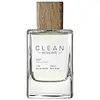 Concerns
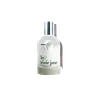
Ingredients Side-by-side
Alcohol Denat.
Antimicrobial




Parfum
Masking

Water
Skin ConditioningHydroxycitronellal
Perfuming
Tetramethyl Acetyloctahydronaphthalenes
Masking
Methyldihydrojasmonate
MaskingEthylene Brassylate
MaskingDipropylene Glycol
HumectantIsobutyl Methyl Tetrahydropyranol
MaskingDodecahydro-Tetramethylnaphthofuran
Perfuming
Dimethylcyclohexylethoxy Isobutylpropanoate
MaskingHexyl Acetate
Masking
Methylcyclopentadecenone
MaskingEthyl Hydroxypyrone
Masking
Oxacycloheptadec-10-En-2-One
Perfuming
Alcohol Denat., Parfum, Water, Hydroxycitronellal, Tetramethyl Acetyloctahydronaphthalenes, Methyldihydrojasmonate, Ethylene Brassylate, Dipropylene Glycol, Isobutyl Methyl Tetrahydropyranol, Dodecahydro-Tetramethylnaphthofuran, Dimethylcyclohexylethoxy Isobutylpropanoate, Hexyl Acetate, Methylcyclopentadecenone, Ethyl Hydroxypyrone, Oxacycloheptadec-10-En-2-One
Alcohol Denat.
Antimicrobial
Ambroxide
PerfumingBenzyl Salicylate
Perfuming
Citrus Aurantium Bergamia Fruit Oil
Masking

Citrus Aurantium Dulcis Peel Oil
Masking
Citrus Nobilis Peel Oil
Masking
Methylcyclopentadecenone
MaskingDimethylcyclohexylethoxy Isobutylpropanoate
MaskingDipropylene Glycol
HumectantEthylene Brassylate
MaskingOxacyclohexadecenone
Masking
Methyldihydrojasmonate
MaskingMethyl Dihydroxy-Dimethylbenzoate
Perfuming
Methylbenzyl Acetate
Masking
Tetramethyl Acetyloctahydronaphthalenes
Masking
Alcohol Denat., Ambroxide, Benzyl Salicylate, Citrus Aurantium Bergamia Fruit Oil, Citrus Aurantium Dulcis Peel Oil, Citrus Nobilis Peel Oil, Methylcyclopentadecenone, Dimethylcyclohexylethoxy Isobutylpropanoate, Dipropylene Glycol, Ethylene Brassylate, Oxacyclohexadecenone, Methyldihydrojasmonate, Methyl Dihydroxy-Dimethylbenzoate, Methylbenzyl Acetate, Tetramethyl Acetyloctahydronaphthalenes
Ingredients Explained
These ingredients are found in both products.
Ingredients higher up in an ingredient list are typically present in a larger amount.
Alcohol Denat. is an alcohol with a denaturant property. It is created by mixing ethanol with other additives.
The "denat" part just means "denatured"; common denaturants include Denatonium Benzoate, t-butyl alcohol, and Diethyl Phthalate. This step makes the alcohol undrinkable (and lets brand skip taxes related to beverage alcohol).
This ingredient gets a bad rep because it is irritating and drying due to its astringent property. Astringents draw out natural oils in tissue to constrict pores and dry out your skin.
However, alcohol denat. is not all that bad.
Due to its low molecular weight, alcohol denat. tends to evaporate quickly. One study on pig skin found half of applied alcohol evaporated in 10 seconds and less than 3% stayed on skin.
This also helps other ingredients become better absorbed upon application.
Studies are conflicted about whether this ingredient causes skin dehydration. One study from 2005 found adding emollients to propanol-based sanitizer decreased skin dryness and irritation. Another study found irritation only occurs if your skin is already damaged.
Small amounts of alcohol are generally tolerated by oily skin or people who live in humid environments.
The rule of thumb is this ingredient will probably not affect your skin much if it is near the end of an ingredients list.
One thing to note:
People with ALDH2 (aldehyde dehydrogenase 2) deficiency may experience skin irritation from continued alcohol use. About 8% of the world's population have this deficiency.
The Cosmetic Ingredient Review Expert Panel has determined denatured alcohols to be safe for use in concentrations between 0.05% and 12% (depending on which denaturant is used).
Also...
This ingredient has antimicrobial and solvent properties.
The antimicrobial property helps preserve products and increase their shelf life. As a solvent, it helps dissolve other ingredients.
Look for formulas that contain glycerin, hyaluronic acid, or panthenol if you want to offset any drying effect.
This ingredient will trip away your skin's natural oils/lipids that help it lock in moisture. This can worsen dryness, trigger eczema flare-ups, and aggravate rosacea.
Be sure to patch test any product with this ingredient if you have dry or sensitive skin, eczema, or rosacea.
Learn more about Alcohol Denat.We don't have a description for Dimethylcyclohexylethoxy Isobutylpropanoate yet.
Dipropylene Glycol is a synthetically created humectant, stabilizer, and solvent.
This ingredient helps:
Dipropylene glycol is technically an alcohol, but it belongs to the glycol family (often considered part of the ‘good’ alcohols). This means it is hydrating and gentle on skin unlike drying solvent alcohols like denatured alcohol.
As a masking agent, Dipropylene Glycol can be used to cover the smell of other ingredients. However, it does not have a scent.
Studies show Dipropylene Glycol is considered safe to use in skincare.
Learn more about Dipropylene GlycolWe don't have a description for Ethylene Brassylate yet.
We don't have a description for Methylcyclopentadecenone yet.
We don't have a description for Methyldihydrojasmonate yet.
This ingredient is also known as ISO E Super. It is a synthetic perfuming and masking ingredient.
The manufacturer describes this scnet as amber and woody.
According to the EU, this ingredient is a known allergen and some people may develop skin sensitivity from repeated exposure.
Learn more about Tetramethyl Acetyloctahydronaphthalenes

