This barrier-repair oil is formulated around Rosa Canina Fruit Oil to strengthen the skin barrier and fade the look of dark spots.
This hydrating oil is formulated around Rosa Canina Fruit Oil and Simmondsia Chinensis Seed Oil to hydrate skin and strengthen the skin barrier.


What's inside
What's inside
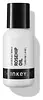 Key Ingredients
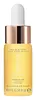
No key ingredients
Benefits
Concerns
Ingredients Side-by-side
Rosa Canina Fruit Oil
Emollient





Simmondsia Chinensis Seed Oil
Emollient
Helianthus Annuus Seed Oil
Emollient
Tocopherol
Antioxidant





Caprylic/Capric Triglyceride
Masking
Morinda Citrifolia Fruit Extract
Skin Conditioning
Vitis Vinifera Fruit Extract
Skin ConditioningLavandula Angustifolia Flower/Leaf/Stem Extract
Masking

Jasminum Officinale Flower/Leaf Extract
Masking
Eugenia Caryophyllus Flower Extract
AstringentRosa Damascena Flower Oil
Masking

Punica Granatum Seed Oil
Emollient
Hippophae Rhamnoides Seed Oil
Skin Protecting
Geraniol
Perfuming
Citronellol
Perfuming
Farnesol
Perfuming
Citral
Perfuming
Rosa Canina Fruit Oil, Simmondsia Chinensis Seed Oil, Helianthus Annuus Seed Oil, Tocopherol, Caprylic/Capric Triglyceride, Morinda Citrifolia Fruit Extract, Vitis Vinifera Fruit Extract, Lavandula Angustifolia Flower/Leaf/Stem Extract, Jasminum Officinale Flower/Leaf Extract, Eugenia Caryophyllus Flower Extract, Rosa Damascena Flower Oil, Punica Granatum Seed Oil, Hippophae Rhamnoides Seed Oil, Geraniol, Citronellol, Farnesol, Citral
Reviews
Ingredients Explained
These ingredients are found in both products.
Ingredients higher up in an ingredient list are typically present in a larger amount.
Rosa Canina Fruit Oil is a non-fragrant plant oil that has earned its skincare reputation through chemistry.
It's dominated by fatty acids like linoleic acid (~35-55%), alpha-linolenic acid (~17-27%), and oleic acid (~14-22%). This is the exact profile that supports skin barrier, locks in hydration, and calms inflammation.
A 2024 review found evidence for the Rosa canina species supports its use for scarring, hyperpigmentation, wrinkles, and atopic dermatitis; this was mostly credited to its vitamin C content and fatty acid composition as the primary active mechanisms.
You might see this ingredient marketed as a "natural retinol". Some rosehip seed oils contains traces of all-trans-retinoic acid but these trace amounts are far below biologically active levels.
The Cosmetic Ingredient Review Panel has deemed this ingredient safe and it's well-tolerated.
Fungal acne: The fatty acids of this oil fall into the C11-24 range that Malassezia yeast can metabolize, so this ingredient may not be fungal acne safe.
Learn more about Rosa Canina Fruit Oil

