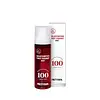
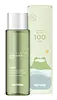
What's inside
What's inside
Key Ingredients
No key ingredients
Benefits
Concerns
No concerns
Ingredients Side-by-side
Centella Asiatica Extract
CleansingWater
Skin ConditioningMethylpropanediol
SolventCetearyl Alcohol
EmollientButylene Glycol
HumectantGlycerin
HumectantDicaprylyl Carbonate
EmollientCetyl Ethylhexanoate
EmollientCaprylic/Capric Triglyceride
Masking1,2-Hexanediol
Skin ConditioningGlyceryl Stearate
EmollientGlycereth-26
HumectantMelaleuca Alternifolia Leaf Extract
PerfumingHouttuynia Cordata Extract
Skin ConditioningCitrus Unshiu Peel Extract
MaskingCrataegus Oxyacantha Extract
Skin ConditioningPanax Ginseng Root Extract
EmollientPropolis Extract
Skin ConditioningBenzyl Glycol
SolventPEG-100 Stearate
Dimethicone
EmollientButyrospermum Parkii Butter
Skin ConditioningPolyglyceryl-3 Methylglucose Distearate
EmulsifyingPolysorbate 60
EmulsifyingCarbomer
Emulsion StabilisingArginine
MaskingBetaine
HumectantSodium Acrylate/Sodium Acryloyldimethyl Taurate Copolymer
Emulsion StabilisingEthylhexylglycerin
Skin ConditioningAllantoin
Skin ConditioningXanthan Gum
EmulsifyingTocopheryl Acetate
AntioxidantIsohexadecane
EmollientPolysorbate 80
EmulsifyingPanthenol
Skin ConditioningSorbitan Oleate
EmulsifyingPropanediol
SolventAsiaticoside
AntioxidantHydrolyzed Glycosaminoglycans
HumectantSodium Hyaluronate
HumectantGelatin
Gellan Gum
Madecassoside
AntioxidantMadecassic Acid
Skin ConditioningAsiatic Acid
Skin ConditioningSodium Hyaluronate Crosspolymer
HumectantHydrolyzed Hyaluronic Acid
HumectantHydroxypropyltrimonium Hyaluronate
Hyaluronic Acid
HumectantSodium Acetylated Hyaluronate
HumectantDisodium EDTA
Parfum
MaskingCentella Asiatica Extract, Water, Methylpropanediol, Cetearyl Alcohol, Butylene Glycol, Glycerin, Dicaprylyl Carbonate, Cetyl Ethylhexanoate, Caprylic/Capric Triglyceride, 1,2-Hexanediol, Glyceryl Stearate, Glycereth-26, Melaleuca Alternifolia Leaf Extract, Houttuynia Cordata Extract, Citrus Unshiu Peel Extract, Crataegus Oxyacantha Extract, Panax Ginseng Root Extract, Propolis Extract, Benzyl Glycol, PEG-100 Stearate, Dimethicone, Butyrospermum Parkii Butter, Polyglyceryl-3 Methylglucose Distearate, Polysorbate 60, Carbomer, Arginine, Betaine, Sodium Acrylate/Sodium Acryloyldimethyl Taurate Copolymer, Ethylhexylglycerin, Allantoin, Xanthan Gum, Tocopheryl Acetate, Isohexadecane, Polysorbate 80, Panthenol, Sorbitan Oleate, Propanediol, Asiaticoside, Hydrolyzed Glycosaminoglycans, Sodium Hyaluronate, Gelatin, Gellan Gum, Madecassoside, Madecassic Acid, Asiatic Acid, Sodium Hyaluronate Crosspolymer, Hydrolyzed Hyaluronic Acid, Hydroxypropyltrimonium Hyaluronate, Hyaluronic Acid, Sodium Acetylated Hyaluronate, Disodium EDTA, Parfum
Reviews
Ingredients Explained
These ingredients are found in both products.
Ingredients higher up in an ingredient list are typically present in a larger amount.
1,2-Hexanediol is a synthetic liquid and another multi-functional powerhouse.
It is a:
- Humectant, drawing moisture into the skin
- Emollient, helping to soften skin
- Solvent, dispersing and stabilizing formulas
- Preservative booster, enhancing the antimicrobial activity of other preservatives
Butylene Glycol (or BG) is used within cosmetic products for a few different reasons:
Overall, Butylene Glycol is a safe and well-rounded ingredient that works well with other ingredients.
Though this ingredient works well with most skin types, some people with sensitive skin may experience a reaction such as allergic rashes, closed comedones, or itchiness.
Learn more about Butylene GlycolGlycerin is already naturally found in your skin. It helps moisturize and protect your skin.
A study from 2016 found glycerin to be more effective as a humectant than AHAs and hyaluronic acid.
As a humectant, it helps the skin stay hydrated by pulling moisture to your skin. The low molecular weight of glycerin allows it to pull moisture into the deeper layers of your skin.
Hydrated skin improves your skin barrier; Your skin barrier helps protect against irritants and bacteria.
Glycerin has also been found to have antimicrobial and antiviral properties. Due to these properties, glycerin is often used in wound and burn treatments.
In cosmetics, glycerin is usually derived from plants such as soybean or palm. However, it can also be sourced from animals, such as tallow or animal fat.
This ingredient is organic, colorless, odorless, and non-toxic.
Glycerin is the name for this ingredient in American English. British English uses Glycerol/Glycerine.
Learn more about Glycerin