This wash off mask is made with Camellia Sinensis Leaf Extract for a rinse-off hydration boost.

What's inside
What's inside
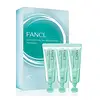 Key Ingredients
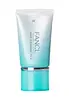
Benefits
Ingredients Side-by-side












Ingredients Explained
These ingredients are found in both products.
Ingredients higher up in an ingredient list are typically present in a larger amount.
Collagen is a big structural protein that your body uses to keep skin firm and bouncy. Despite the marketing, topically applied collagen doesn't "refill" the collagen in your skin.
The molecule is too big to pass through your skin barrier so intact Collagen physically can't get past the surface.
What it actually does in your skincare is work as a humectant and film-former: it binds water, lays down a light moisturizing film, and reduces water loss from the surface. This helps make skin feel smoother and temporarily plumper.
This ingredient has been found safe for use in cosmetics with clinical studies showing no irritation, sensitization, or phototoxicity. It's typically used at low concentrations (often a fraction of a percent up to a few percent).
Collagen will not increase sun sensitivity, but you should always wear sunscreen during the day.
Learn more about hydrolyzed collagen or soluble collagen.
Learn more about CollagenHyaluronic acid (HA) is a glycosaminoglycan (basically a long sugar chain) that your skin already makes on its own. In your skin, HA lives in the extracellular matrix and acts as the body's moisture reservoir.
Topically, HA is a humectant that binds water and helps skin look more plump, smooth, and hydrated.
The only catch is that HA isn't a single thing; it actually comes in a wide range of molecular weights (~50 - 2,000+ kDA) and size matters.
Some clinical evidence links low molecular weight versions to improved wrinkle depth, elasticity, anti-inflammatory effects, and barrier repair.
This is why the best HA serums blend the two sizes together so you get the best of both worlds.
The majority of cosmetic HA is produced by bacterial fermentation, typically using Streptococcus or Bacillus strains. Typical use levels in skincare sit around 0.1-2%.
A clinical study using a 0.2% low-molecular weight HA gel showed improvement in facial seborrheic dermatitis with excellent tolerance.
These are some other common types of Hyaluronic Acid:
Learn more about Hyaluronic AcidWe don't have a description for Malva Sylvestris Flower Extract yet.


