

What's inside
What's inside
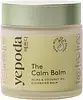 Key Ingredients
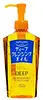
Benefits
Concerns
Ingredients Side-by-side
Olea Europaea Fruit Oil
Masking



Cetearyl Olivate
Sucrose Polystearate
EmollientCocos Nucifera Oil
Masking
Sorbitan Olivate
Emulsifying
Butyrospermum Parkii Butter
Skin Conditioning
Propanediol
Solvent
Water
Skin ConditioningDecyl Glucoside
CleansingEuphorbia Cerifera Wax
Oryza Sativa Bran Wax
Skin Conditioning
Methyl Glucose Sesquistearate
Emollient
Spirulina Platensis Extract
Skin ProtectingMoringa Oleifera Seed Oil
Emollient
Tocopherol
Antioxidant




Curcuma Longa Root Extract
Masking
Melia Azadirachta Flower Extract
Skin ConditioningHelianthus Annuus Seed Oil
Emollient
Melia Azadirachta Leaf Extract
Skin ConditioningCoccinia Indica Fruit Extract
Skin ConditioningSolanum Melongena Fruit Extract
Skin ConditioningOcimum Sanctum Leaf Extract
Skin Conditioning
Amber Powder
Corallina Officinalis Extract
Skin Conditioning
Glycerin
Humectant
Butylene Glycol
Humectant
1,2-Hexanediol
Skin Conditioning
Juniperus Mexicana Oil
Masking
Cananga Odorata Flower Oil
Masking


Citrus Aurantium Dulcis Peel Oil
Masking
Citrus Paradisi Peel Oil
Masking
Limonene
Perfuming
Olea Europaea Fruit Oil, Cetearyl Olivate, Sucrose Polystearate, Cocos Nucifera Oil, Sorbitan Olivate, Butyrospermum Parkii Butter, Propanediol, Water, Decyl Glucoside, Euphorbia Cerifera Wax, Oryza Sativa Bran Wax, Methyl Glucose Sesquistearate, Spirulina Platensis Extract, Moringa Oleifera Seed Oil, Tocopherol, Curcuma Longa Root Extract, Melia Azadirachta Flower Extract, Helianthus Annuus Seed Oil, Melia Azadirachta Leaf Extract, Coccinia Indica Fruit Extract, Solanum Melongena Fruit Extract, Ocimum Sanctum Leaf Extract, Amber Powder, Corallina Officinalis Extract, Glycerin, Butylene Glycol, 1,2-Hexanediol, Juniperus Mexicana Oil, Cananga Odorata Flower Oil, Citrus Aurantium Dulcis Peel Oil, Citrus Paradisi Peel Oil, Limonene
Paraffinum Liquidum
Emollient
Oryza Sativa Bran Oil
Emollient
Sorbeth-30 Tetraoleate
Emulsifying
Cyclomethicone
Emollient
Olea Europaea Fruit Oil
Masking
Citrus Aurantium Dulcis Oil
Masking
Sesamum Indicum Seed Oil
Emollient
Carthamus Tinctorius Seed Oil
Masking
Butyrospermum Parkii Butter
Skin Conditioning
Tocopherol
Antioxidant
Adansonia Digitata Seed Oil
Emollient
Ascorbyl Palmitate
Antioxidant


Vitis Vinifera Seed Oil
Emollient
Simmondsia Chinensis Seed Oil
Emollient
BHT
Antioxidant
Cetyl Ethylhexanoate
EmollientGlycerin
Humectant
Bis-Ethoxydiglycol Cyclohexane 1,4-Dicarboxylate
EmollientPropylene Glycol Dicaprate
EmollientSqualane
Emollient
Zea Mays Oil
Emulsifying
Trilaureth-4 Phosphate
EmulsifyingIsopropyl Myristate
Emollient
Water
Skin ConditioningPhenoxyethanol
Preservative
Paraffinum Liquidum, Oryza Sativa Bran Oil, Sorbeth-30 Tetraoleate, Cyclomethicone, Olea Europaea Fruit Oil, Citrus Aurantium Dulcis Oil, Sesamum Indicum Seed Oil, Carthamus Tinctorius Seed Oil, Butyrospermum Parkii Butter, Tocopherol, Adansonia Digitata Seed Oil, Ascorbyl Palmitate, Vitis Vinifera Seed Oil, Simmondsia Chinensis Seed Oil, BHT, Cetyl Ethylhexanoate, Glycerin, Bis-Ethoxydiglycol Cyclohexane 1,4-Dicarboxylate, Propylene Glycol Dicaprate, Squalane, Zea Mays Oil, Trilaureth-4 Phosphate, Isopropyl Myristate, Water, Phenoxyethanol
Reviews
Ingredients Explained
These ingredients are found in both products.
Ingredients higher up in an ingredient list are typically present in a larger amount.
This ingredient is also known as shea butter. It is an effective skin hydrator and emollient.
Emollients help soothe and soften your skin. It does this by creating a protective film on your skin. This barrier helps trap moisture and keeps your skin hydrated. Emollients may be effective at treating dry or itchy skin.
Shea butter is rich in antioxidants. Antioxidants help fight free-radicals, or molecules that may harm the body. It is also full of fatty acids including stearic acid and linoleic acid. These acids help replenish the skin and keep skin moisturized.
While Shea Butter has an SPF rating of about 3-4, it is not a sunscreen replacement.
Shea butter may not be fungal acne safe. We recommend speaking with a professional if you have any concerns.
Learn more about Butyrospermum Parkii ButterGlycerin is already naturally found in your skin. It helps moisturize and protect your skin.
A study from 2016 found glycerin to be more effective as a humectant than AHAs and hyaluronic acid.
As a humectant, it helps the skin stay hydrated by pulling moisture to your skin. The low molecular weight of glycerin allows it to pull moisture into the deeper layers of your skin.
Hydrated skin improves your skin barrier; Your skin barrier helps protect against irritants and bacteria.
Glycerin has also been found to have antimicrobial and antiviral properties. Due to these properties, glycerin is often used in wound and burn treatments.
In cosmetics, glycerin is usually derived from plants such as soybean or palm. However, it can also be sourced from animals, such as tallow or animal fat.
This ingredient is organic, colorless, odorless, and non-toxic.
Glycerin is the name for this ingredient in American English. British English uses Glycerol/Glycerine.
Learn more about GlycerinOlea Europaea Fruit Oil is the fixed oil obtained from the ripe fruit of the Olive. In other words - olive oil.
The primary contents of olive oil are glycerides of the fatty acids linoleic, oleic and palmitic.
Olive oil also contains antioxidants such as Vitamin E. Antioxidants may help reduce signs of aging by fighting unstable free-radical molecules. It also contains Vitamins A (retinol), D, and K.
The squalene in olive oil makes it a great emollient. Emollients help soothe and soften your skin by trapping moisture in. This makes olive oil a great skin moisturizer.
Studies show olive oil to have antibacterial and antifungal properties in low concentrations. Another study found olive oil irritated sensitive oily skin. We always recommend speaking with a professional about using this ingredient in your routine.
Due to the fatty acid content, this ingredient may not be fungal-acne safe.
Learn more about Olea Europaea Fruit OilTocopherol (also known as Vitamin E) is a common antioxidant used to help protect the skin from free-radicals and strengthen the skin barrier. It's also fat soluble - this means our skin is great at absorbing it.
Vitamin E also helps keep your natural skin lipids healthy. Your lipid skin barrier naturally consists of lipids, ceramides, and fatty acids. Vitamin E offers extra protection for your skin’s lipid barrier, keeping your skin healthy and nourished.
Another benefit is a bit of UV protection. Vitamin E helps reduce the damage caused by UVB rays. (It should not replace your sunscreen). Combining it with Vitamin C can decrease sunburned cells and hyperpigmentation after UV exposure.
You might have noticed Vitamin E + C often paired together. This is because it is great at stabilizing Vitamin C. Using the two together helps increase the effectiveness of both ingredients.
There are often claims that Vitamin E can reduce/prevent scarring, but these claims haven't been confirmed by scientific research.
Learn more about TocopherolWater. It's the most common cosmetic ingredient of all. You'll usually see it at the top of ingredient lists, meaning that it makes up the largest part of the product.
So why is it so popular? Water most often acts as a solvent - this means that it helps dissolve other ingredients into the formulation.
You'll also recognize water as that liquid we all need to stay alive. If you see this, drink a glass of water. Stay hydrated!
Learn more about Water
