

What's inside
What's inside
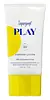 Key Ingredients
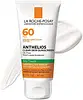
Benefits
Concerns
Ingredients Side-by-side
Butyl Methoxydibenzoylmethane 3%
UV Absorber
Homosalate 10%
Skin Conditioning
Ethylhexyl Salicylate 5%
UV Absorber
Octocrylene 7.5%
UV Absorber

Water
Skin ConditioningAcrylates Copolymer
Diisopropyl Sebacate
EmollientGlycerin
Humectant


Isodecyl Neopentanoate
EmollientIsododecane
EmollientLauryl Lactate
EmollientCetyl Alcohol
Emollient


Potassium Cetyl Phosphate
EmulsifyingBrassica Campestris/Aleurites Fordi Oil Copolymer
Skin Conditioning
Oryza Sativa Bran Extract
Skin Conditioning
Cetearyl Olivate
Ammonium Acryloyldimethyltaurate/Vp Copolymer
Hydroxyacetophenone
Antioxidant


Sorbitan Olivate
Emulsifying
Diethylhexyl Syringylidenemalonate
Skin ProtectingAniba Rosaeodora Wood Oil
Astringent
Chlorphenesin
Antimicrobial
Citrus Aurantium Dulcis Peel Oil
Masking

Citrus Limon Peel Oil
Masking
Ethylhexylglycerin
Skin ConditioningEucalyptus Globulus Leaf Oil
Perfuming
Ocimum Basilicum Flower/Leaf Extract
TonicPelargonium Graveolens Flower Oil
Masking
Pogostemon Cablin Leaf Oil
Masking
Pentylene Glycol
Skin Conditioning
1,2-Hexanediol
Skin Conditioning
Caprylyl Glycol
Emollient
Xanthan Gum
EmulsifyingHelianthus Annuus Extract
Emollient
Behenic Acid
Cleansing
Cetyl Behenate
Isostearyl Isostearate
Emollient

Trisodium Ethylenediamine Disuccinate
Tocopherol
Antioxidant



Allantoin
Skin Conditioning
Rosmarinus Officinalis Leaf Extract
AntimicrobialCaprylic/Capric Triglyceride
Masking
Panthenol
Skin Conditioning
Pentasodium Triphosphate
BufferingCitric Acid
Buffering
Butyl Methoxydibenzoylmethane 3%, Homosalate 10%, Ethylhexyl Salicylate 5%, Octocrylene 7.5%, Water, Acrylates Copolymer, Diisopropyl Sebacate, Glycerin, Isodecyl Neopentanoate, Isododecane, Lauryl Lactate, Cetyl Alcohol, Potassium Cetyl Phosphate, Brassica Campestris/Aleurites Fordi Oil Copolymer, Oryza Sativa Bran Extract, Cetearyl Olivate, Ammonium Acryloyldimethyltaurate/Vp Copolymer, Hydroxyacetophenone, Sorbitan Olivate, Diethylhexyl Syringylidenemalonate, Aniba Rosaeodora Wood Oil, Chlorphenesin, Citrus Aurantium Dulcis Peel Oil, Citrus Limon Peel Oil, Ethylhexylglycerin, Eucalyptus Globulus Leaf Oil, Ocimum Basilicum Flower/Leaf Extract, Pelargonium Graveolens Flower Oil, Pogostemon Cablin Leaf Oil, Pentylene Glycol, 1,2-Hexanediol, Caprylyl Glycol, Xanthan Gum, Helianthus Annuus Extract, Behenic Acid, Cetyl Behenate, Isostearyl Isostearate, Trisodium Ethylenediamine Disuccinate, Tocopherol, Allantoin, Rosmarinus Officinalis Leaf Extract, Caprylic/Capric Triglyceride, Panthenol, Pentasodium Triphosphate, Citric Acid
Butyl Methoxydibenzoylmethane 3%
UV Absorber
Homosalate 15%
Skin Conditioning
Ethylhexyl Salicylate 5%
UV Absorber
Octocrylene 7%
UV Absorber
Water
Skin ConditioningSilica
Abrasive


Dicaprylyl Carbonate
EmollientStyrene/Acrylates Copolymer
Butyloctyl Salicylate
Skin Conditioning
Methyl Methacrylate Crosspolymer
Nylon-12
PEG-100 Stearate
Surfactant
Glyceryl Stearate
Emollient
Perlite
Absorbent
Beeswax
Emulsion Stabilising
Ammonium Polyacryloyldimethyl Taurate
Emulsion StabilisingPhenoxyethanol
Preservative
PEG-8 Laurate
Emulsifying
Behenyl Alcohol
Emollient
Sodium Stearoyl Glutamate
CleansingChlorphenesin
Antimicrobial
P-Anisic Acid
Masking
Xanthan Gum
EmulsifyingTocopherol
Antioxidant
Disodium EDTA
Arachidyl Alcohol
Emollient
Diethylhexyl Syringylidenemalonate
Skin ProtectingPropylene Glycol
Humectant
Cassia Alata Leaf Extract
AstringentMaltodextrin
Absorbent
Stearyl Alcohol
Emollient
T-Butyl Alcohol
Perfuming
Caprylic/Capric Triglyceride
Masking
Butyl Methoxydibenzoylmethane 3%, Homosalate 15%, Ethylhexyl Salicylate 5%, Octocrylene 7%, Water, Silica, Dicaprylyl Carbonate, Styrene/Acrylates Copolymer, Butyloctyl Salicylate, Methyl Methacrylate Crosspolymer, Nylon-12, PEG-100 Stearate, Glyceryl Stearate, Perlite, Beeswax, Ammonium Polyacryloyldimethyl Taurate, Phenoxyethanol, PEG-8 Laurate, Behenyl Alcohol, Sodium Stearoyl Glutamate, Chlorphenesin, P-Anisic Acid, Xanthan Gum, Tocopherol, Disodium EDTA, Arachidyl Alcohol, Diethylhexyl Syringylidenemalonate, Propylene Glycol, Cassia Alata Leaf Extract, Maltodextrin, Stearyl Alcohol, T-Butyl Alcohol, Caprylic/Capric Triglyceride
Reviews
Ingredients Explained
These ingredients are found in both products.
Ingredients higher up in an ingredient list are typically present in a larger amount.
Also known as Avobenzone, this ingredient is a chemical sunscreen filter that provides protection in the UV-A range.
Avobenzone is globally approved and is the most commonly used UV-A filter in the world.
Studies have found that avobenzone becomes ineffective when exposed to UV light (it is not photostable; meaning that it breaks down in sunlight). Because of this, formulations that include avobenzone will usually contain stabilizers such as octocrylene.
However, some modern formulations (looking at you, EU!) are able to stabilize avobenzone by coating the molecules.
Avobenzone does not protect against the UV-B range, so it's important to check that the sunscreen you're using contains other UV filters that do!
The highest concentration of avobenzone permitted is 3% in the US, and 5% in the EU.
Learn more about Butyl MethoxydibenzoylmethaneCaprylic/Capric Triglyceride (aka MCT Oil) is a lightweight emollient, solvent, and texture enhancer. It is considered a skin-softener by helping to prevent moisture loss.
Though it behaves like an oil, it is not technically one due to its chemical composition. One perk of this ingredient is that it is very stable, resistant to oxidation, and unlikely to go rancid.
In practice, that translates to a long shelf life and a consistently elegant skin feel.
While there is an assumption Caprylic Triglyceride can clog pores due to it being derived from coconut oil, there is no research supporting this. Just patch test if you have concerns.
Fractionated coconut oil and MCT Oil are both listed as Caprylic/Capric Triglyceride according to INCI. This is because INCI names are based on the ingredient’s final chemical composition and not its marketing name or source.
This ingredient is treated as the gold standard fungal acne safe oil. Even though it is coconut derived, the problematic lauric acid is stripped out.
This leaves just caprylic (C8) and capric (C10) acid. These chain lengths actually trend antifungal; a 2020 study found caprylic acid was enough to disrupt Malassezia furfur cell membrane, with a caprylic acid derivative damaging membrane structures at concentrations as low as 0.2%.
Learn more about Caprylic/Capric TriglycerideChlorphenesin is a synthetic preservative. It helps protect a product against bacteria in order to extend shelf life. In most cases, Chlorphenesin is paired with other preservatives such as phenoxyethanol and caprylyl glycol.
Chlorphenesin is a biocide. This means it is able to help fight the microorganisms on our skin. It is also able to fight odor-releasing bacteria.
Chlorphenesin is soluble in both water and glycerin.
Studies show Chlorphenesin is easily absorbed by our skin. You should speak with a skincare professional if you have concerns about using Chlorphenesin.
Learn more about ChlorphenesinDiethylhexyl Syringylidenemalonate (DESM) is a photostabilizer, antioxidant, and SPF booster.
One of DESM's main roles is stabilizing UV filters, especially avobenzone. Avobenzone is notoriously unstable when exposed to sunlight. By enhancing the stability of these filters, DESM helps maintain the sunscreen's effectivess through wear. It also helps improve protection against long-wave UVA rays by increasing the wavelength of the formula.
Besides enhancing UVA protection, DESM can boost the SPF of high-SPF formulations by up to 5 units.
DESM also preserves the color integrity of cosmetic products and helps reduce the chance of yellowing of fading due to light exposure.
This ingredient is typically found in concentrations between 0.3% - 0.5%. There are currently no maximum usage limits by regulatory bodies.
Though this ingredient is a chemical UV filter, it can often be found in "100% mineral" sunscreens. This is due to regulatory loopholes.
Learn more about Diethylhexyl SyringylidenemalonateEthylhexyl Salicylate is an organic compound used to block UV rays. It primarily absorbs UVB rays but offers a small amount of UVA protection as well.
Commonly found in sunscreens, Ethylhexyl Salicylate is created from salicylic acid and 2-ethylhexanol. You might know salicylic acid as the effective acne fighter ingredient and BHA.
The ethylhexanol in this ingredient is a fatty alcohol and helps hydrate your skin, similar to oils. It is an emollient, which means it traps moisture into the skin.
According to manufacturers, Ethylhexyl Salicylate absorbs UV wavelength of 295-315 nm, with a peak absorption at 307-310 nm. UVA rays are linked to long term skin damage, such as hyperpigmentation. UVB rays emit more energy and are capable of damaging our DNA. UVB rays cause sunburn.
Learn more about Ethylhexyl SalicylateHomosalate is a chemical sunscreen filter that provides protection in the UV-B range (280nm - 320 nm), with a peak protection at 306 nm. It is internationally approved for use in sunscreens.
Homosalate is not photo-stable, meaning it's strength as a UV filter degrades over time with exposure to the sun. Because of this, it's often used in combination with other chemical sunscreen filters as avobenzone (which protects from the UV-A range). Homosalate also helps act as a solvent for harder-to-dissolve UV filters.
(Part of the reason that sunscreens need to be frequently re-applied is due to the photo instability of many chemical sunscreen filters)
Currently, homosalate is approved in concentrations up to 10% in the EU and 15% in the US. The FDA is currently doing further research on the effects of homosalate, and it is possible that these approved concentrations will change in the future.
Learn more about HomosalateOctocrylene protects skin from sun damage. It absorbs UV-B with peak absorption of 304 nm. It is a common sunscreen ingredient and often paired with avobenzone, a UVA filter. This is because octocrylene stabilizes other sunscreen ingredients by protecting them from degradation when exposed to sunlight. Octocrylene is a photostable ingredient and loses about 10% of SPF in 95 minutes.
Octocrylene also acts as an emollient, meaning it helps skin retain moisture and softens skin. It is oil-soluble and hydrophobic, enhancing water-resistant properties in a product.
Those who are using ketoprofen, a topical anti-inflammatory drug, may experience an allergic reaction when using octocrylene. It is best to speak with a healthcare professional about using sunscreens with octocrylene.
The EU allows a maximum of these concentrations:
Learn more about OctocryleneTocopherol is a fat-soluble antioxidant known as Vitamin E.
You'll find this ingredient in the vast majority of skincare (for good reason). It works to neutralize free radicals, or unstable molecules generated by UV exposure, pollution, and other environmental stressors, before they can cause oxidative damage to your skin cells.
Topically applied tocopherol has been shown to protect against UV damage by ramping up the skin's own natural defense enzymes.
It also acts as a skin conditioning agent; some studies show that regular topical use can improve the skin's water-binding capacity over 2-4 weeks.
This ingredient is especially loved for being a team player. When combined with Vitamin C, the photoprotective effect of both ingredients roughly doubles and the combo also helps reduce UV-induced DNA damage.
This ingredient has some brightening potential but it's more of a prevention ingredient than spot-fader. Cell studies show it can slow down melanin production but it's worth noting that it's not the most powerful brightener out there.
In formulations, it also serves as a stabilizer that helps protect other oxidation-prone ingredients from degrading.
Concentrations usually range from 0.1-1% in most leave-on products.
Learn more about TocopherolWater. It's the most common cosmetic ingredient of all. You'll usually see it at the top of ingredient lists, meaning that it makes up the largest part of the product.
So why is it so popular? Water most often acts as a solvent - this means that it helps dissolve other ingredients into the formulation.
You'll also recognize water as that liquid we all need to stay alive. If you see this, drink a glass of water. Remember to stay hydrated!
Learn more about WaterXanthan gum is used as a stabilizer and thickener within cosmetic products. It helps give products a sticky, thick feeling - preventing them from being too runny.
On the technical side of things, xanthan gum is a polysaccharide - a combination consisting of multiple sugar molecules bonded together.
Xanthan gum is a pretty common and great ingredient. It is a natural, non-toxic, non-irritating ingredient that is also commonly used in food products.
Learn more about Xanthan Gum
