

What's inside
What's inside
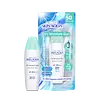 Key Ingredients
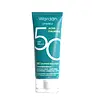
Benefits
Concerns
Ingredients Side-by-side
Water
Skin ConditioningEthylhexyl Methoxycinnamate
UV Absorber


Cyclopentasiloxane
Emollient
Glycerin
Humectant


Methylene Bis-Benzotriazolyl Tetramethylbutylphenol
UV Filter
Diethylamino Hydroxybenzoyl Hexyl Benzoate
UV Filter
Ethylhexyl Triazone
UV Absorber
Polysorbate 60
Emulsifying
Betaine
Humectant
Bis-Ethylhexyloxyphenol Methoxyphenyl Triazine
Skin Conditioning
Hexylglycerin
HumectantAmmonium Acryloyldimethyltaurate/Vp Copolymer
1,2-Hexanediol
Skin Conditioning
Caprylyl Glycol
Emollient
Decyl Glucoside
Cleansing
Acrylates/C10-30 Alkyl Acrylate Crosspolymer
Emulsion StabilisingTriethanolamine
BufferingPanthenol
Skin Conditioning
Hydrogenated Lecithin
Emulsifying
Disodium EDTA
Propylene Glycol
Humectant

Sodium Hyaluronate
Humectant

Xanthan Gum
EmulsifyingTocopheryl Acetate
Antioxidant


Sodium Acetylated Hyaluronate
Humectant
Hydrolyzed Collagen
Emollient
Arginine
Masking
Dipotassium Glycyrrhizate
Humectant
Ascorbyl Tetraisopalmitate
Antioxidant

Tocopherol
Antioxidant
Water, Ethylhexyl Methoxycinnamate, Cyclopentasiloxane, Glycerin, Methylene Bis-Benzotriazolyl Tetramethylbutylphenol, Diethylamino Hydroxybenzoyl Hexyl Benzoate, Ethylhexyl Triazone, Polysorbate 60, Betaine, Bis-Ethylhexyloxyphenol Methoxyphenyl Triazine, Hexylglycerin, Ammonium Acryloyldimethyltaurate/Vp Copolymer, 1,2-Hexanediol, Caprylyl Glycol, Decyl Glucoside, Acrylates/C10-30 Alkyl Acrylate Crosspolymer, Triethanolamine, Panthenol, Hydrogenated Lecithin, Disodium EDTA, Propylene Glycol, Sodium Hyaluronate, Xanthan Gum, Tocopheryl Acetate, Sodium Acetylated Hyaluronate, Hydrolyzed Collagen, Arginine, Dipotassium Glycyrrhizate, Ascorbyl Tetraisopalmitate, Tocopherol
Water
Skin ConditioningPropanediol
Solvent
Ethylhexyl Methoxycinnamate
UV Absorber
Butyl Methoxydibenzoylmethane
UV Absorber
Polymethyl Methacrylate

Butylene Glycol
Humectant
Octocrylene
UV Absorber
Ammonium Acryloyldimethyltaurate/Vp Copolymer
Niacinamide
Smoothing



1,2-Hexanediol
Skin Conditioning
Ethylhexyl Triazone
UV Absorber
Cetearyl Olivate
Panthenol
Skin Conditioning
Glycerin
Humectant
Allantoin
Skin Conditioning
Chlorphenesin
Antimicrobial
Propylene Glycol
Humectant
Salicylic Acid
Masking

Xanthan Gum
EmulsifyingDisodium EDTA
Lecithin
Emollient
Sorbitan Olivate
Emulsifying
Caprylhydroxamic Acid
Glycyrrhiza Glabra Root Extract
Bleaching
Aminomethyl Propanol
BufferingPhenoxyethanol
Preservative
Artemisia Capillaris Flower Extract
Skin ConditioningCamellia Sinensis Extract
Antioxidant
Haberlea Rhodopensis Leaf Extract
Skin ConditioningBHT
Antioxidant
Potassium Sorbate
Preservative
Sodium Benzoate
Masking
Citric Acid
Buffering
Water, Propanediol, Ethylhexyl Methoxycinnamate, Butyl Methoxydibenzoylmethane, Polymethyl Methacrylate, Butylene Glycol, Octocrylene, Ammonium Acryloyldimethyltaurate/Vp Copolymer, Niacinamide, 1,2-Hexanediol, Ethylhexyl Triazone, Cetearyl Olivate, Panthenol, Glycerin, Allantoin, Chlorphenesin, Propylene Glycol, Salicylic Acid, Xanthan Gum, Disodium EDTA, Lecithin, Sorbitan Olivate, Caprylhydroxamic Acid, Glycyrrhiza Glabra Root Extract, Aminomethyl Propanol, Phenoxyethanol, Artemisia Capillaris Flower Extract, Camellia Sinensis Extract, Haberlea Rhodopensis Leaf Extract, BHT, Potassium Sorbate, Sodium Benzoate, Citric Acid
Reviews
Ingredients Explained
These ingredients are found in both products.
Ingredients higher up in an ingredient list are typically present in a larger amount.
1,2-Hexanediol is a synthetic liquid and another multi-functional powerhouse.
It is a:
- Humectant, drawing moisture into the skin
- Emollient, helping to soften skin
- Solvent, dispersing and stabilizing formulas
- Preservative booster, enhancing the antimicrobial activity of other preservatives
Ammonium Acryloyldimethyltaurate/Vp Copolymer is a synthetically created polymer. It's used as a film-forming agent and used to thicken the consistency of products.
Think of it as a supportive ingredient that helps your gel-creams feel silky, "cloud cream-like", and spread evenly without being greasy.
The Cosmetic Ingredient Review (CIR) Expert Panel evaluated it (along with 22 other acryloyldimethyltaurate polymers) and concluded it's:
Due to its large molecular size, it sits on the surface of skin rather than penetrating it.
Learn more about Ammonium Acryloyldimethyltaurate/Vp CopolymerDisodium EDTA is a chelating agent. It grabs onto and deactivates metal ions that sneak into your products from water, packaging, or air.
This ingredient mainly works behind the scenes and helps with:
On top of that, this ingredient can counteract the effects of hard water by binding to the minerals in it.
One thing worth knowing is that Disodium EDTA has been shown to be a mild penetration enhancer. It can help other ingredients absorb into skin more effectively which can be a double-edged sword (great for actives, but can also make the active too strong if you have sensitive skin).
Clinical patch testing showed no significant skin irritation at typical use concentrations and minimal dermal absorption.
You'll most likely see this ingredient near the end of an ingredient list. It's typically found in concentrations less than 1%.
Learn more about Disodium EDTAEthylhexyl Methoxycinnamate is an organic compound that provides UVB protection. It often goes by the more common name of octinoxate. It is created from methoxycinnamic acid and 2-ethylhexanol.
Ethylhexyl Methoxycinnamate absorbs UVB rays with wavelengths between 280-320 nm. UV absorbers protect your skin by using chemical reactions to convert UV rays into heat and energy.
UVB (290-320 nm) rays emit more energy than UVA rays. They are capable of damaging DNA, causing sunburns and are thought to be linked to skin cancer.
The state of Hawaii has banned sunscreens containing octinoxate due to its potential impact on coral reefs. More research is needed to bridge gaps in this research. The European Union allows higher levels of octinoxate in sunscreens than the US and Australia.
Ethylhexyl Methoxycinnamate is oil soluble. It is not stable and may lose efficacy when exposed to sunlight.
Learn more about Ethylhexyl MethoxycinnamateEthylhexyl Triazone is a modern chemical sunscreen that protects from UV-B radiation.
It is the most effective of existing UV-B filters, as it provides the highest level of photo-stable absorption. It protects from the entire UV-B range (280 to 320nm), with it's highest level of protection at 314nm.
Ethylhexyl Triazone is oil soluble, oderless and colorless, which mean it is able to be incorporated into a variety of different formulations.
It is not currently available within the United States due to slow changing FDA regulations. Outside of the US, it is used in formulations at concentrations up to 5%.
Learn more about Ethylhexyl TriazoneGlycerin (or glycerol) is a compound naturally found in your skin. It's a powerhouse humectant that pulls water into the stratum corneum.
Topically, glycerin does several things at once:
Your skin makes glycerin on its own (mostly from sebaceous oil breakdown) and shuttles it to your outermost layer of skin, or your epidermis, via aquaporin-3.
Aquaporin-3 is a transporter that is essential for normal skin hydration, elasticity, and repair. Interestingly, mice lacking in AQP3 have dry and less elastic skin that can be fully corrected with glycerin.
This ingredient is non-irritating, plays well with almost every ingredient, and works across all skin types. Typical use is anywhere between 3-10% but can go up to 79% in some leave-on products.
Just know very high concentrations (>40%) can feel tacky in low humidity.
Glycerin is the name for this ingredient in American English. British English uses Glycerol/Glycerine.
Learn more about GlycerinPanthenol is a common ingredient that helps hydrate and soothe the skin. It is found naturally in our skin and hair.
There are two forms of panthenol: D and L.
D-panthenol is also known as dexpanthenol. Most cosmetics use dexpanthenol or a mixture of D and L-panthenol.
Panthenol is famous due to its ability to go deeper into the skin's layers. Using this ingredient has numerous pros (and no cons):
Like hyaluronic acid, panthenol is a humectant. Humectants are able to bind and hold large amounts of water to keep skin hydrated.
This ingredient works well for wound healing. It works by increasing tissue in the wound and helps close open wounds.
Once oxidized, panthenol converts to pantothenic acid. Panthothenic acid is found in all living cells.
This ingredient is also referred to as pro-vitamin B5.
Learn more about PanthenolPropylene Glycol is a synthetic, colorless, odorless liquid that has been a staple in cosmetics for decades. It is a skin conditioning agent, humectant, and solvent.
As a humectant, it draw water to the skin to reduce flaking and restore suppleness. It's also a solvent that helps dissolve other actives and keeps formulas stable across temperature changes.
The CIR Expert Panel has confirmed this ingredient to be nontoxic and clinical studies show no sensitization at cosmetic use concentrations.
True allergic reactions are quite rare: a 15-year retrospective study of 6,751 patients found only 0.31% had a positive reaction (and less than half were considered clinically relevant).
It seemed that when sensitization does occur, it's most commonly linked to topical medication (like corticosteroids) and not cosmetics. Allergic contact dermatitis also appears largely limited to individuals with underlying skin conditions.
Overall, propylene glycol is a well-studied ingredient that most people can tolerate without issue.
Learn more about Propylene GlycolWater. It's the most common cosmetic ingredient of all. You'll usually see it at the top of ingredient lists, meaning that it makes up the largest part of the product.
So why is it so popular? Water most often acts as a solvent - this means that it helps dissolve other ingredients into the formulation.
You'll also recognize water as that liquid we all need to stay alive. If you see this, drink a glass of water. Remember to stay hydrated!
Learn more about WaterXanthan gum is used as a stabilizer and thickener within cosmetic products. It helps give products a sticky, thick feeling - preventing them from being too runny.
On the technical side of things, xanthan gum is a polysaccharide - a combination consisting of multiple sugar molecules bonded together.
Xanthan gum is a pretty common and great ingredient. It is a natural, non-toxic, non-irritating ingredient that is also commonly used in food products.
Learn more about Xanthan Gum
