
What's inside
What's inside
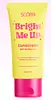 Key Ingredients
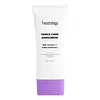
Benefits
Concerns
Ingredients Side-by-side
Water
Skin ConditioningEthylhexyl Methoxycinnamate
UV Absorber


Cyclopentasiloxane
Emollient
Niacinamide
Smoothing










Bis-Ethylhexyloxyphenol Methoxyphenyl Triazine
Skin Conditioning
Diethylamino Hydroxybenzoyl Hexyl Benzoate
UV Filter
Cetearyl Alcohol
Emollient



Ethylhexyl Triazone
UV Absorber
Sodium Acrylate/Sodium Acryloyldimethyl Taurate Copolymer
Emulsion StabilisingTitanium Dioxide
Cosmetic Colorant
Methylene Bis-Benzotriazolyl Tetramethylbutylphenol
UV Filter
Acrylates/C10-30 Alkyl Acrylate Crosspolymer
Emulsion StabilisingTetrasodium EDTA

Stearyl Stearate
Emollient
PEG-40 Stearate
Emulsifying
Ceteareth-20
Cleansing
Decyl Glucoside
CleansingCentella Asiatica Extract
Cleansing
Butyloctyl Salicylate
Skin Conditioning
Tea-Isostearate
Cleansing1,2-Hexanediol
Skin Conditioning
Isopropyl Titanium Triisostearate/Triethoxycaprylylsilane Crosspolymer
Polysorbate 60
Emulsifying
Sorbityl Silanediol
EmollientAluminum Hydroxide
EmollientPropylene Glycol
Humectant
BHT
Antioxidant
Xanthan Gum
EmulsifyingPhenoxyethanol
Preservative
Water, Ethylhexyl Methoxycinnamate, Cyclopentasiloxane, Niacinamide, Bis-Ethylhexyloxyphenol Methoxyphenyl Triazine, Diethylamino Hydroxybenzoyl Hexyl Benzoate, Cetearyl Alcohol, Ethylhexyl Triazone, Sodium Acrylate/Sodium Acryloyldimethyl Taurate Copolymer, Titanium Dioxide, Methylene Bis-Benzotriazolyl Tetramethylbutylphenol, Acrylates/C10-30 Alkyl Acrylate Crosspolymer, Tetrasodium EDTA, Stearyl Stearate, PEG-40 Stearate, Ceteareth-20, Decyl Glucoside, Centella Asiatica Extract, Butyloctyl Salicylate, Tea-Isostearate, 1,2-Hexanediol, Isopropyl Titanium Triisostearate/Triethoxycaprylylsilane Crosspolymer, Polysorbate 60, Sorbityl Silanediol, Aluminum Hydroxide, Propylene Glycol, BHT, Xanthan Gum, Phenoxyethanol
Water
Skin ConditioningEthylhexyl Methoxycinnamate
UV Absorber
Methylene Bis-Benzotriazolyl Tetramethylbutylphenol
UV Filter
Butylene Glycol
Humectant
Niacinamide
Smoothing
Diethylamino Hydroxybenzoyl Hexyl Benzoate
UV Filter
Centella Asiatica Extract
Cleansing
Cetearyl Alcohol
Emollient
Bis-Ethylhexyloxyphenol Methoxyphenyl Triazine
Skin Conditioning
C12-15 Alkyl Benzoate
AntimicrobialEthylhexyl Triazone
UV Absorber
Titanium Dioxide
Cosmetic Colorant
Ethylhexyl Salicylate
UV Absorber
Madecassoside
Antioxidant
Artemisia Vulgaris Extract
Skin Conditioning
Camellia Japonica Flower Extract
EmollientMorus Alba Bark Extract
Skin ConditioningBroussonetia Papyrifera Bark Extract
Skin ConditioningCamellia Sinensis Leaf Extract
Antimicrobial
Rhus Semialata Extract
Skin ConditioningPyrus Malus Fruit Extract
Skin Conditioning
Tricholoma Matsutake Extract
Skin ConditioningPhragmites Communis Extract
Skin ConditioningPoria Cocos Extract
Skin ConditioningTranexamic Acid
Astringent
Salicylic Acid
Masking

Aloe Barbadensis Leaf Extract
Emollient
Propylene Glycol
Humectant
Triethoxycaprylylsilane
Acetyl Glucosamine
Skin ConditioningCitric Acid
Buffering

Aluminum Hydroxide
EmollientCaprylhydroxamic Acid
Decyl Glucoside
CleansingPEG-40 Hydrogenated Castor Oil
Emulsifying
Xanthan Gum
Emulsifying1,2-Hexanediol
Skin Conditioning
Cocamidopropyl Dimethylamine
EmulsifyingPentylene Glycol
Skin ConditioningEthylhexylglycerin
Skin ConditioningAcrylates/C10-30 Alkyl Acrylate Crosspolymer
Emulsion StabilisingCeteareth-20
Cleansing
Disodium EDTA
Glycerin
Humectant
Glyceryl Stearate
Emollient
Hydroxyethyl Acrylate/Sodium Acryloyldimethyl Taurate Copolymer
Emulsion StabilisingPEG-40 Stearate
Emulsifying
Polysorbate 60
Emulsifying
Sorbitan Isostearate
Emulsifying
Triethanolamine
BufferingPotassium Sorbate
Preservative
Sodium Benzoate
Masking
Phenoxyethanol
Preservative
Water, Ethylhexyl Methoxycinnamate, Methylene Bis-Benzotriazolyl Tetramethylbutylphenol, Butylene Glycol, Niacinamide, Diethylamino Hydroxybenzoyl Hexyl Benzoate, Centella Asiatica Extract, Cetearyl Alcohol, Bis-Ethylhexyloxyphenol Methoxyphenyl Triazine, C12-15 Alkyl Benzoate, Ethylhexyl Triazone, Titanium Dioxide, Ethylhexyl Salicylate, Madecassoside, Artemisia Vulgaris Extract, Camellia Japonica Flower Extract, Morus Alba Bark Extract, Broussonetia Papyrifera Bark Extract, Camellia Sinensis Leaf Extract, Rhus Semialata Extract, Pyrus Malus Fruit Extract, Tricholoma Matsutake Extract, Phragmites Communis Extract, Poria Cocos Extract, Tranexamic Acid, Salicylic Acid, Aloe Barbadensis Leaf Extract, Propylene Glycol, Triethoxycaprylylsilane, Acetyl Glucosamine, Citric Acid, Aluminum Hydroxide, Caprylhydroxamic Acid, Decyl Glucoside, PEG-40 Hydrogenated Castor Oil, Xanthan Gum, 1,2-Hexanediol, Cocamidopropyl Dimethylamine, Pentylene Glycol, Ethylhexylglycerin, Acrylates/C10-30 Alkyl Acrylate Crosspolymer, Ceteareth-20, Disodium EDTA, Glycerin, Glyceryl Stearate, Hydroxyethyl Acrylate/Sodium Acryloyldimethyl Taurate Copolymer, PEG-40 Stearate, Polysorbate 60, Sorbitan Isostearate, Triethanolamine, Potassium Sorbate, Sodium Benzoate, Phenoxyethanol
Ingredients Explained
These ingredients are found in both products.
Ingredients higher up in an ingredient list are typically present in a larger amount.
1,2-Hexanediol is a synthetic liquid and another multi-functional powerhouse.
It is a:
- Humectant, drawing moisture into the skin
- Emollient, helping to soften skin
- Solvent, dispersing and stabilizing formulas
- Preservative booster, enhancing the antimicrobial activity of other preservatives
Acrylates/C10-30 Alkyl Acrylate Crosspolymer is a synthetic polymer. It is used to thicken and improve the texture of products. Due to its properties, it can prevent water and oil ingredients from separating.
Aluminum Hydroxide is a form of aluminum. It can be naturally found in nature as the mineral gibbsite. In cosmetics, Aluminum Hydroxide is used as a colorant, pH adjuster, and absorbent.
As a colorant, Aluminum Hydroxide may add opacity, or reduce the transparency. Aluminum hydroxide is contains both basic and acidic properties.
According to manufacturers, this ingredient is an emollient and humectant. This means it helps hydrate the skin.
In medicine, this ingredient is used to help relieve heartburn and help heal ulcers.
There is currently no credible scientific evidence linking aluminum hydroxide in cosmetics to increased cancer risk.
Major health organizations allow the use of aluminum hydroxide in personal care products and have not flagged it as a carcinogenic risk at typical usage levels.
Learn more about Aluminum HydroxideYou might know this ingredient as Tinosorb S or Bemotrizinol. It is a UV filter that covers both UVA and UVB rays.
This ingredient has two peak UV absorption peaks ( 310 and 340 nm) and is able to absorb both UV-A and UV-B rays. This ingredient works by preventing UV rays from reaching and damaging your skin.
On top of that - it is highly photostable and helps prevent the photodegration of other sunscreen ingredients such as avobenzone.
Tinosorb S is allowed in the EU, Australia, and Asia. It is close to being approved by the FDA and we'll hopefully get this ingredient in the U.S. by late 2025.
Fun fact: Tinosorb S is the most effective UV absorber at maximum concentration (measured by SPF) permitted in the EU.
This ingredient is oil-soluble, so your oil-cleansers will take this right off at night.
Learn more about Bis-Ethylhexyloxyphenol Methoxyphenyl TriazineCentella Asiatica Extract (Centella) is derived from an herb native to Southeast Asia. It is famous for its anti-inflammatory and soothing properties.
Centella is rich in antioxidants and amino acids, such as Madecassic Acid and Asiaticoside.
Studies show the compounds in centella help with:
The combination of all these properties makes centella effective at soothing, hydrating, and protecting the skin.
Other great components of centella include Vitamin A, vitamin C, several B vitamins, and Asiatic Acid.
Fun fact: Centella has been used as a medicine and in food for many centuries. As a medicine, it is used to treat burns, scratches, and wounds.
Learn more about Centella Asiatica ExtractCeteareth-20 is an emulsifier and cleansing agent. It is derived from cetearyl alcohol, a fatty alcohol.
As an emulsifier, Ceteareth-20 prevents oil and water from separating. It is also a surfactant. Surfactants help gather oil, pollution, and dirt to be washed away.
Cetearyl alcohol is a mixture of two fatty alcohols: cetyl alcohol and stearyl alcohol. It is mainly used as an emulsifier. Emulsifiers help prevent the separation of oils and products. Due to its composition, it can also be used to thicken a product or help create foam.
Cetearyl alcohol is an emollient. Emollients help soothe and hydrate the skin by trapping moisture.
Studies show Cetearyl alcohol is non-toxic and non-irritating. The FDA allows products labeled "alcohol-free" to have fatty alcohols.
This ingredient is usually derived from plant oils such as palm, vegetable, or coconut oils. There is debate on whether this ingredient will cause acne.
Due to the fatty acid base, this ingredient may not be Malassezia folliculitis safe.
Learn more about Cetearyl AlcoholDecyl Glucoside is a glucose-based surfactant and emulsion stabilizer. It is created by reacting glucose with the fatty acids from plants.
Surfactants help clean the skin by trapping oil, sebum, and dirt to be washed away. As an emulsion stabilizer, it stabilizes the ingredients in a product by preventing them from separating.
This ingredient is biodegradable and non-toxic. This ingredient is commonly found in baby shampoos.
Decyl Glucoside is sometimes used to stabilize the UV filter Tinosorb.
Learn more about Decyl GlucosideDiethylamino Hydroxybenzoyl Hexyl Benzoate (DHHB) is a chemical UV-A absorber. It is formulated for high UVA protection (320-400 nm).
DHHB is well-liked for:
DHHB has been approved by the EU, Japan, Taiwan, and South America for use up to 10%. Unfortunately, it has not been approved for use in the US or Canada due to slow regulatory processes.
This ingredient is soluble in oils, fats, and lipids.
Learn more about Diethylamino Hydroxybenzoyl Hexyl BenzoateEthylhexyl Methoxycinnamate is an organic compound that provides UVB protection. It often goes by the more common name of octinoxate. It is created from methoxycinnamic acid and 2-ethylhexanol.
Ethylhexyl Methoxycinnamate absorbs UVB rays with wavelengths between 280-320 nm. UV absorbers protect your skin by using chemical reactions to convert UV rays into heat and energy.
UVB (290-320 nm) rays emit more energy than UVA rays. They are capable of damaging DNA, causing sunburns and are thought to be linked to skin cancer.
The state of Hawaii has banned sunscreens containing octinoxate due to its potential impact on coral reefs. More research is needed to bridge gaps in this research. The European Union allows higher levels of octinoxate in sunscreens than the US and Australia.
Ethylhexyl Methoxycinnamate is oil soluble. It is not stable and may lose efficacy when exposed to sunlight.
Learn more about Ethylhexyl MethoxycinnamateEthylhexyl Triazone is a modern chemical sunscreen that protects from UV-B radiation.
It is the most effective of existing UV-B filters, as it provides the highest level of photo-stable absorption. It protects from the entire UV-B range (280 to 320nm), with it's highest level of protection at 314nm.
Ethylhexyl Triazone is oil soluble, oderless and colorless, which mean it is able to be incorporated into a variety of different formulations.
It is not currently available within the United States due to slow changing FDA regulations. Outside of the US, it is used in formulations at concentrations up to 5%.
Learn more about Ethylhexyl TriazoneMethylene Bis-Benzotriazolyl Tetramethylbutylphenol (Tinosorb M) is a hybrid and broad-spectrum UV ingredient. It is both a UV absorber and filter.
UV absorbers are an agent that absorbs UV rays. They protect your skin by using chemical reactions to convert UV rays into heat and energy. UV filters physically reduce the amount of UV rays from reaching your skin.
Tinosorb M covers a range of 280-400 nm and is photostable. This ingredient is neither oil or water soluble.
Tinosorb M is not available in the US. However, it is available in the EU and Asia.
It's sister, Tinosorb S, is set to be approved in the US by late 2025 (fingers crossed!).
Learn more about Methylene Bis-Benzotriazolyl TetramethylbutylphenolNiacinamide is a multitasking form of vitamin B3 that strengthens the skin barrier, reduces pores and dark spots, regulates oil, and improves signs of aging.
And the best part? It's gentle and well-tolerated by most skin types, including sensitive and reactive skin.
You might have heard of "niacin flush", or the reddening of skin that causes itchiness. Niacinamide has not been found to cause this.
In very rare cases, some individuals may not be able to tolerate niacinamide at all or experience an allergic reaction to it.
If you are experiencing flaking, irritation, and dryness with this ingredient, be sure to double check all your products as this ingredient can be found in all categories of skincare.
When incorporating niacinamide into your routine, look out for concentration amounts. Typically, 5% niacinamide provides benefits such as fading dark spots. However, if you have sensitive skin, it is better to begin with a smaller concentration.
When you apply niacinamide to your skin, your body converts it into nicotinamide adenine dinucleotide (NAD). NAD is an essential coenzyme that is already found in your cells as "fuel" and powers countless biological processes.
In your skin, NAD helps repair cell damage, produce new healthy cells, support collagen production, strengthen the skin barrier, and fight environmental stressors (like UV and pollution).
Our natural NAD levels start to decline with age, leading to slower skin repair, visible aging, and a weaker skin barrier. By providing your skin niacinamide, you're recharging your skin's NAD levels. This leads to stronger, healthier, and younger looking skin.
Another name for vitamin B3 is nicotinamide. This vitamin is water-soluble and our bodies don't store it. We obtain Vitamin B3 from either food or skincare. Meat, fish, wheat, yeast, and leafy greens contain vitamin B3.
The type of niacinamide used in skincare is synthetically created.
Learn more about NiacinamidePeg-40 Stearate is a waxy solid made up of polyethylene glycol and stearic acid. It is an emulsifier and cleanser. Emulsifiers help oils and water mix.
Stearic acid is a a fatty acid. Therefore, Peg-40 stearate may not be fungal-acne safe.
Phenoxyethanol is a preservative that has germicide, antimicrobial, and aromatic properties. Studies show that phenoxyethanol can prevent microbial growth. By itself, it has a scent that is similar to that of a rose.
It's often used in formulations along with Caprylyl Glycol to preserve the shelf life of products.
Polysorbate 60 is used to help stabilize products. It is a surfactant and emulsifier. These properties help keep ingredients together in a product. Surfactants help reduce surface tension between ingredients with different states, such as liquids and solids. Emulsifiers help prevent oils and waters from separating.
Polysorbate 60 is sorbitol-based and created from the ethoxylation of sorbitan. Ethoxylation is a chemical reaction used to add ethylene oxide. Sorbitan is a the dehydrated version of sorbitol, a sugar found in fruits.
In this case, the 60 comes from reacting 60 units of ethylene oxide with sorbitan.
Polysorbates are commonly used in medicine and foods.
Learn more about Polysorbate 60Propylene Glycol is an odorless, colorless liquid. As a humectant, it helps skin retain moisture. It also aids in delivering active ingredients.
Another role of this ingredient is preventing a product from melting or freezing. Propylene glycol also adds antimicrobrial properties to a product, elongating product lifespan.
This ingredient is considered an organic alcohol and commonly added into both cosmetics and foods.
Those with sensitive skin or conditions may develop a rash when using this ingredient.
Learn more about Propylene GlycolTitanium dioxide is a mineral UV filter widely used in sunscreens and cosmetics.
It is one of only two UV filters officially classified as “mineral” by regulatory agencies, the other being zinc oxide.
Titanium dioxide provides broad-spectrum protection mostly in the UVB and UVAII range, with some protection in the UVAI range.
While its UVA protection isn’t as strong as zinc oxide’s, the difference is minor.
A common myth is that mineral UV filters reflect UV light. However, modern research shows titanium dioxide absorbs UV radiation like chemical filters (~95% absorption & 5% reflection).
Thanks to its non-irritating nature, titanium dioxide is suitable for sensitive, acne-prone, or redness-prone skin. It is unlikely to cause "eye sting" like other sunscreen ingredients.
A major drawback of this ingredient is its white cast and thick texture. This is why mineral sunscreens often leave a white cast and are less cosmetically elegant than chemical/hybrid sunscreens.
To improve white cast and spreadability, micronized or nano-sized titanium dioxide is often used.
There are ongoing concerns surrounding nano-titanium oxide's impact on marine ecosystems.
There is no conclusive evidence that any form of titanium oxide (or any other sunscreen ingredients) will cause harm to marine ecosystems or coral reefs. The science is still developing but many consumers are keeping a close eye on this issue.
Please note, many destinations have reef-safety sunscreen rules. For instance, the U.S. Virgin Islands advises all visitors to use non-nano mineral sunscreens.
Nano mineral sunscreens once raised safety concerns about absorption into skin.
Extensive research has shown that they do not penetrate healthy or damaged skin; they remain safely on the surface and the top layer of dead skin (stratum corneum).
You'll likely find titanium dioxide bundled with alumina, silica, or dimethicone. These ingredients help make titanium dioxide highly photostable; this prevents it from interacting with other formula components under UV light.
Learn more about Titanium DioxideWater. It's the most common cosmetic ingredient of all. You'll usually see it at the top of ingredient lists, meaning that it makes up the largest part of the product.
So why is it so popular? Water most often acts as a solvent - this means that it helps dissolve other ingredients into the formulation.
You'll also recognize water as that liquid we all need to stay alive. If you see this, drink a glass of water. Stay hydrated!
Learn more about WaterXanthan gum is used as a stabilizer and thickener within cosmetic products. It helps give products a sticky, thick feeling - preventing them from being too runny.
On the technical side of things, xanthan gum is a polysaccharide - a combination consisting of multiple sugar molecules bonded together.
Xanthan gum is a pretty common and great ingredient. It is a natural, non-toxic, non-irritating ingredient that is also commonly used in food products.
Learn more about Xanthan Gum
