

What's inside
What's inside
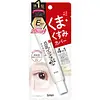 Key Ingredients
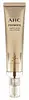
Benefits
Concerns
Ingredients Side-by-side
Water
Skin ConditioningButylene Glycol
Humectant
Glycerin
Humectant


Triethylhexanoin
MaskingDipentaerythrityl Tetrahydroxystearate/Tetraisostearate
Skin Conditioning
Dimethicone
Emollient
Behenyl Alcohol
Emollient
Pentaerythrityl Tetraethylhexanoate
Emollient
Honey
Humectant
Phytosteryl/Behenyl/Octyldodecyl Lauroyl Glutamate
Skin ConditioningMacadamia Ternifolia Seed Oil
Emollient
Diphenylsiloxy Phenyl Trimethicone
Skin Conditioning
PEG-60 Glyceryl Isostearate
Glyceryl Stearate
Emollient
Tocopheryl Phosphate
CleansingMilk Ferment
Skin ConditioningGlycine Max Seed Extract
Skin ConditioningHydroxyethyl Acrylate/Sodium Acryloyldimethyl Taurate Copolymer
Emulsion StabilisingAlcohol Denat.
Antimicrobial





Ethylhexylglycerin
Skin ConditioningUlmus Davidiana Root Extract
Skin Conditioning
Dimethicone Crosspolymer
Emulsion Stabilising
Squalane
Emollient
Cellulose Gum
Emulsion StabilisingTocopherol
Antioxidant


Polysorbate 60
Emulsifying
Mica
Cosmetic Colorant
Titanium Dioxide
Cosmetic Colorant

Phenoxyethanol
Preservative
Methylparaben
Preservative
Water, Butylene Glycol, Glycerin, Triethylhexanoin, Dipentaerythrityl Tetrahydroxystearate/Tetraisostearate, Dimethicone, Behenyl Alcohol, Pentaerythrityl Tetraethylhexanoate, Honey, Phytosteryl/Behenyl/Octyldodecyl Lauroyl Glutamate, Macadamia Ternifolia Seed Oil, Diphenylsiloxy Phenyl Trimethicone, PEG-60 Glyceryl Isostearate, Glyceryl Stearate, Tocopheryl Phosphate, Milk Ferment, Glycine Max Seed Extract, Hydroxyethyl Acrylate/Sodium Acryloyldimethyl Taurate Copolymer, Alcohol Denat., Ethylhexylglycerin, Ulmus Davidiana Root Extract, Dimethicone Crosspolymer, Squalane, Cellulose Gum, Tocopherol, Polysorbate 60, Mica, Titanium Dioxide, Phenoxyethanol, Methylparaben
Collagen Extract
Skin Conditioning
Glycerin
Humectant
Dipropylene Glycol
HumectantCaprylic/Capric Triglyceride
Masking
Hydrogenated Polyisobutene
EmollientHydrogenated Polydecene
EmollientNiacinamide
Smoothing





Caprylic/Capric/Succinic Triglyceride
EmollientPhenyl Trimethicone
Skin Conditioning
Pentaerythrityl Tetraethylhexanoate
Emollient
Water
Skin ConditioningCyclohexasiloxane
Emollient
Cetearyl Alcohol
Emollient
1,2-Hexanediol
Skin Conditioning
Glyceryl Stearate Se
Emulsifying
Betaine
Humectant
Cetyl Alcohol
Emollient
Panthenol
Skin Conditioning
Tabebuia Bark Extract
Skin ConditioningMacrocystis Pyrifera Extract
Skin Conditioning
Nasturtium Officinale Leaf Extract
Masking
Gold
Cosmetic ColorantMalt Extract
Skin ProtectingHydrogenated Lecithin
Emulsifying
Elaeis Guineensis Kernel Oil
Emollient
Sodium Hyaluronate
Humectant
Macadamia Ternifolia Seed Oil
Emollient
Cocos Nucifera Oil
Masking
Collagen
Moisturising
Polyglyceryl-10 Stearate
Skin Conditioning
Cetearyl Olivate
Sorbitan Olivate
Emulsifying
Polyglyceryl-10 Laurate
Skin Conditioning
C15-19 Alkane
SolventDimethicone/Vinyl Dimethicone Crosspolymer
Skin Conditioning
Butyrospermum Parkii Butter
Skin Conditioning
Polyacrylate-13
Behenyl Alcohol
Emollient
Sodium Stearoyl Glutamate
CleansingVinyldimethicone
Jojoba Esters
Emollient
Butylene Glycol
Humectant
Myristyl Myristate
Emollient
Helianthus Annuus Seed Wax
Skin Conditioning
Sucrose Polystearate
EmollientXanthan Gum
EmulsifyingGlucose
Humectant
Adenosine
Skin Conditioning
Ethylhexyl Palmitate
Emollient
Cholesterol
Emollient
Disodium EDTA
Sorbitan Isostearate
Emulsifying
Ceramide NP
Skin Conditioning
Polyglycerin-3
Humectant
Jasminum Grandiflorum Flower Wax
Masking
Poloxamer 188
EmulsifyingFructooligosaccharides
Humectant
Propanediol
Solvent
Hydrogenated Olive Oil Unsaponifiables
Emollient
Sodium Laurate
CleansingBeta-Glucan
Skin Conditioning
Carbomer
Emulsion StabilisingLauric Acid
Cleansing
Hydrolyzed Hyaluronic Acid
Humectant
Lactobacillus
Skin ConditioningMadecassoside
Antioxidant
Hyaluronic Acid
Humectant
Cyanocobalamin
Skin ConditioningTocopherol
Antioxidant
C10-18 Triglycerides
Emollient
Cetyl Palmitate
Emollient
Palmitoyl Pentapeptide-4
Skin Conditioning
Ascorbic Acid
Antioxidant

Polyurethane-15
Acrylates/C10-30 Alkyl Acrylate Crosspolymer
Emulsion StabilisingTromethamine
BufferingPolyglyceryl-10 Oleate
Skin Conditioning
Polyurethane-11
Phytosteryl/Behenyl/Octyldodecyl Lauroyl Glutamate
Skin ConditioningParfum
Masking
Hydroxyacetophenone
Antioxidant
Ethylhexylglycerin
Skin ConditioningPentylene Glycol
Skin ConditioningCollagen Extract, Glycerin, Dipropylene Glycol, Caprylic/Capric Triglyceride, Hydrogenated Polyisobutene, Hydrogenated Polydecene, Niacinamide, Caprylic/Capric/Succinic Triglyceride, Phenyl Trimethicone, Pentaerythrityl Tetraethylhexanoate, Water, Cyclohexasiloxane, Cetearyl Alcohol, 1,2-Hexanediol, Glyceryl Stearate Se, Betaine, Cetyl Alcohol, Panthenol, Tabebuia Bark Extract, Macrocystis Pyrifera Extract, Nasturtium Officinale Leaf Extract, Gold, Malt Extract, Hydrogenated Lecithin, Elaeis Guineensis Kernel Oil, Sodium Hyaluronate, Macadamia Ternifolia Seed Oil, Cocos Nucifera Oil, Collagen, Polyglyceryl-10 Stearate, Cetearyl Olivate, Sorbitan Olivate, Polyglyceryl-10 Laurate, C15-19 Alkane, Dimethicone/Vinyl Dimethicone Crosspolymer, Butyrospermum Parkii Butter, Polyacrylate-13, Behenyl Alcohol, Sodium Stearoyl Glutamate, Vinyldimethicone, Jojoba Esters, Butylene Glycol, Myristyl Myristate, Helianthus Annuus Seed Wax, Sucrose Polystearate, Xanthan Gum, Glucose, Adenosine, Ethylhexyl Palmitate, Cholesterol, Disodium EDTA, Sorbitan Isostearate, Ceramide NP, Polyglycerin-3, Jasminum Grandiflorum Flower Wax, Poloxamer 188, Fructooligosaccharides, Propanediol, Hydrogenated Olive Oil Unsaponifiables, Sodium Laurate, Beta-Glucan, Carbomer, Lauric Acid, Hydrolyzed Hyaluronic Acid, Lactobacillus, Madecassoside, Hyaluronic Acid, Cyanocobalamin, Tocopherol, C10-18 Triglycerides, Cetyl Palmitate, Palmitoyl Pentapeptide-4, Ascorbic Acid, Polyurethane-15, Acrylates/C10-30 Alkyl Acrylate Crosspolymer, Tromethamine, Polyglyceryl-10 Oleate, Polyurethane-11, Phytosteryl/Behenyl/Octyldodecyl Lauroyl Glutamate, Parfum, Hydroxyacetophenone, Ethylhexylglycerin, Pentylene Glycol
Ingredients Explained
These ingredients are found in both products.
Ingredients higher up in an ingredient list are typically present in a larger amount.
Behenyl Alcohol is a type of fatty alcohol (these are different from the drying, solvent alcohols).
Fatty Alcohols have hydrating properties and are most often used as an emollient or to thicken a product. They are usually derived from natural fats and oils; behenyl alcohol is derived from the fats of vegetable oils.
Emollients help keep your skin soft and hydrated by creating a film that traps moisture in.
In 2000, Behenyl Alcohol was approved by the US as medicine to reduce the duration of cold sores.
Learn more about Behenyl AlcoholButylene Glycol (or BG) is used within cosmetic products for a few different reasons:
Overall, Butylene Glycol is a safe and well-rounded ingredient that works well with other ingredients.
Though this ingredient works well with most skin types, some people with sensitive skin may experience a reaction such as allergic rashes, closed comedones, or itchiness.
Learn more about Butylene GlycolEthylhexylglycerin (we can't pronounce this either) is commonly used as a preservative and skin softener. It is derived from glyceryl.
You might see Ethylhexylglycerin often paired with other preservatives such as phenoxyethanol. Ethylhexylglycerin has been found to increase the effectiveness of these other preservatives.
Glycerin is already naturally found in your skin. It helps moisturize and protect your skin.
A study from 2016 found glycerin to be more effective as a humectant than AHAs and hyaluronic acid.
As a humectant, it helps the skin stay hydrated by pulling moisture to your skin. The low molecular weight of glycerin allows it to pull moisture into the deeper layers of your skin.
Hydrated skin improves your skin barrier; Your skin barrier helps protect against irritants and bacteria.
Glycerin has also been found to have antimicrobial and antiviral properties. Due to these properties, glycerin is often used in wound and burn treatments.
In cosmetics, glycerin is usually derived from plants such as soybean or palm. However, it can also be sourced from animals, such as tallow or animal fat.
This ingredient is organic, colorless, odorless, and non-toxic.
Glycerin is the name for this ingredient in American English. British English uses Glycerol/Glycerine.
Learn more about GlycerinMacadamia Ternifolia Seed Oil is the fixed oil obtained from Macadamia nut.
Macadamia seed oil is rich in fatty acids, including oleic acid (45-75%), palmitoleic acid (7-33%), and palmitic acid (6-12%). They also contain various B vitamins, iron, and magnesium.
Palmitoleic acid has been shown to help soothe inflammation and promote wound healing. It is also naturally found in the fat of our skin.
Macadamia seed oil may not be malassezia folliculitis, or fungal-acne, safe.
Learn more about Macadamia Ternifolia Seed OilPentaerythrityl Tetraethylhexanoate is an emollient that helps make your skin smooth and hydrated. It specializes in creating a non-oily and "wet" feeling on skin.
This ingredient comes from isostearic acid, a saturated fatty acid. It is a synthetic ingredient.
We don't have a description for Phytosteryl/Behenyl/Octyldodecyl Lauroyl Glutamate yet.
Tocopherol (also known as Vitamin E) is a common antioxidant used to help protect the skin from free-radicals and strengthen the skin barrier. It's also fat soluble - this means our skin is great at absorbing it.
Vitamin E also helps keep your natural skin lipids healthy. Your lipid skin barrier naturally consists of lipids, ceramides, and fatty acids. Vitamin E offers extra protection for your skin’s lipid barrier, keeping your skin healthy and nourished.
Another benefit is a bit of UV protection. Vitamin E helps reduce the damage caused by UVB rays. (It should not replace your sunscreen). Combining it with Vitamin C can decrease sunburned cells and hyperpigmentation after UV exposure.
You might have noticed Vitamin E + C often paired together. This is because it is great at stabilizing Vitamin C. Using the two together helps increase the effectiveness of both ingredients.
There are often claims that Vitamin E can reduce/prevent scarring, but these claims haven't been confirmed by scientific research.
Learn more about TocopherolWater. It's the most common cosmetic ingredient of all. You'll usually see it at the top of ingredient lists, meaning that it makes up the largest part of the product.
So why is it so popular? Water most often acts as a solvent - this means that it helps dissolve other ingredients into the formulation.
You'll also recognize water as that liquid we all need to stay alive. If you see this, drink a glass of water. Stay hydrated!
Learn more about Water
